Grade 3 Fatty Liver: Symptoms, Diagnosis, and Treatment
Grade 3 fatty liver is the most severe stage of fat buildup in the liver. Learn the symptoms, causes, treatment, and how to keep it from getting worse.
On this page
Grade 3 fatty liver means the liver has a very high amount of fat, and it may already be scarred (fibrosis). Even so, you can still keep the disease from getting worse and live a healthy life for a long time. This guide explains the symptoms, causes, diagnosis, treatment, and outlook.
Fatty liver is an abnormal buildup of fat inside liver cells. It can be caused by obesity, drinking too much alcohol, metabolic disorders, or the side effects of some medications. The condition has several grades. Grade 3 is the severe level, with a very high percentage of fat in the liver cells.
What is grade 3 fatty liver?
Fatty liver is diagnosed when fat makes up at least 5% of the liver’s weight. Grades are based on the percentage of fat in the liver cells, and different systems use different cutoffs. One system works like this:
- Grade 1 (mild): fat makes up 5% to 10% of the liver’s weight.
- Grade 2 (moderate): fat makes up 10% to 30% of the liver’s weight.
- Grade 3 (severe): fat makes up more than 30% of the liver’s weight.
In the United States, fatty liver is graded like this:
- Grade 1 (mild): fat makes up 5% to 33%.
- Grade 2 (moderate): fat makes up 34% to 66%.
- Grade 3 (severe): fat makes up more than 66%.
Because the cutoffs differ from one system to another, ask your doctor which system your grade refers to.
Either way, grade 3 is the most severe level of fatty liver, and it needs proper treatment. If you don’t change your lifestyle and manage fatty liver from the start, the fat buildup can get worse over time. It can progress to cirrhosis (severe scarring of the liver), which can lead to liver failure and liver cancer.
What are the symptoms of grade 3 fatty liver?
Grade 3 fatty liver usually causes more noticeable symptoms than the mild and moderate grades. A person may have:
- Long-lasting, excessive tiredness
- Belly pain, discomfort, or pain in the upper right part of the abdomen
- Loss of appetite and unintentional weight loss
- Bloating and gas
- Nausea, vomiting, diarrhea, or constipation
- Itchy skin, which is linked to a buildup of toxins in the liver
- An enlarged liver that a doctor can feel during an exam
What causes fatty liver?
Fatty liver usually develops from a combination of factors over a long period of time. The most common causes that raise the risk of the disease are:
- Overweight or obesity, especially extra fat around the belly
- Type 2 diabetes or insulin resistance
- High blood levels of cholesterol or triglycerides
- Drinking too much alcohol
- Side effects of some medications
Less common causes that can also lead to fatty liver include:
- Hypothyroidism (an underactive thyroid)
- Polycystic ovary syndrome (PCOS)
- Sleep apnea
- Hypopituitarism (an underactive pituitary gland)
How is grade 3 fatty liver diagnosed?
To diagnose grade 3 fatty liver, or fatty liver at any grade, a doctor will ask about your symptoms and order some tests, including:
- Blood tests: High levels of liver enzymes (ALT and AST) can point to liver damage. High levels of fat in the blood also add to the suspicion of fatty liver.
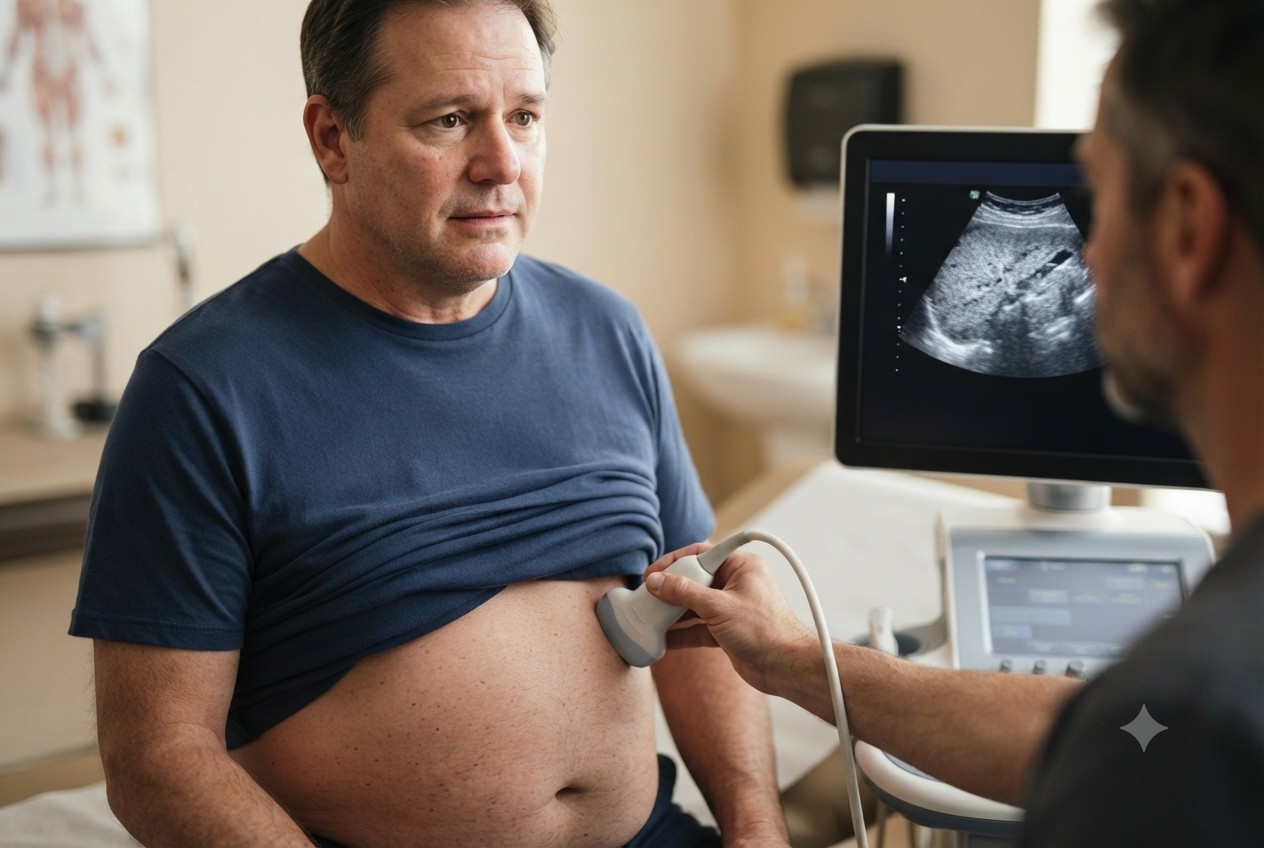
- Imaging tests: An ultrasound, CT scan, or MRI can show how much fat has built up in the liver and how severe it is. These tests can also show signs of inflammation and scarring.
- Liver biopsy: This test is not used often. It is only used in special cases where it is hard to confirm fatty liver or to identify cirrhosis.
Can grade 3 fatty liver be treated?
There is no specific medicine for fatty liver. Treatment focuses on lifestyle changes and on monitoring and managing your liver health. People with grade 3 fatty liver need to pay extra attention to these steps and get regular checkups so the disease does not progress to dangerous complications. You should:
- Change your lifestyle. Build a healthy eating plan, lose weight, avoid alcohol, and exercise regularly.
- Manage other conditions that affect the liver. These include diabetes, high blood pressure, and high cholesterol, which can cause more damage to liver cells if they are not controlled. You may need to take medicine prescribed by your doctor to treat these problems.
- Go to regular follow-up visits. If you have grade 3 fatty liver, get checked about every 6 to 12 months so your doctor can check your liver function and order the tests you need.
- Avoid substances that are harmful to the liver. This includes some medications and supplements. Talk to your doctor about your fatty liver before you start any medicine.
What should you eat with grade 3 fatty liver?
The Mediterranean diet is recommended for people with grade 3 fatty liver, and for fatty liver in general. It is built around plant-based foods and healthy sources of fat. In general, it includes:
- Plenty of fruits, vegetables, whole grains, beans, nuts and seeds, herbs, and plant oils (such as olive oil)
- Fish and seafood at least a few times a week
- A moderate amount of poultry, eggs, cheese, and yogurt
- Limited sweets and red meat
The Mediterranean diet is not only a good fit for people with fatty liver. It also helps lower the risk of heart disease, and it can lower blood pressure and LDL (“bad”) cholesterol.
Is grade 3 fatty liver dangerous?
Compared with the mild and moderate grades, grade 3 fatty liver has a higher risk of progressing to serious health problems. If it is not managed well, liver disease can advance in stages:
- Hepatitis (steatohepatitis): The liver changes from fatty to inflamed (swollen). The inflammation damages liver tissue. This stage is called steatohepatitis.
- Fibrosis: Bands of scar tissue form where inflammation has damaged the liver, making the liver stiff.
- Cirrhosis: Scar tissue spreads and gradually replaces healthy liver tissue. Without treatment, this may lead to dangerous conditions such as liver failure, liver cancer, or even cancers outside the liver. About 90% of people who develop hepatocellular carcinoma (the most common type of liver cancer) have had cirrhosis.
In addition, people with non-alcoholic fatty liver disease have a higher risk of heart disease, which can be fatal.
How long can you live with grade 3 fatty liver?
Try not to worry too much. Fatty liver is often not a major problem unless it progresses to cirrhosis. Many people with grade 3 fatty liver can keep their condition well controlled, and it may not greatly affect their life expectancy.
If you follow your treatment plan and manage fatty liver as your doctor directs, you can help keep the disease from progressing and stay healthy. If you know you have grade 3 fatty liver, make positive lifestyle changes and have your liver health checked regularly.
References
- Pathogenesis and prevention of hepatic steatosis — NIH/PMC
- Grade 3 fatty liver: causes, symptoms, and treatment options — Narayana Health
- Steatotic (fatty) liver disease — Cleveland Clinic
- Fatty liver — healthdirect (Australia)
- Fatty liver disease diet: what foods help prevent and reverse fatty liver? — UChicago Medicine
Medical disclaimer
FAQHealth content is for informational and educational purposes only. It is not a substitute for professional medical advice, diagnosis, or treatment. Always talk with your doctor or another qualified health professional about any questions you have about a medical condition.