Best Vegetables to Lower Cholesterol and Blood Fats
Which vegetables help lower cholesterol? Learn how soluble fiber works, which other foods help, and which fats to limit for a healthier heart.
On this page
A low-calorie diet built mostly around vegetables, fruit, and nuts can sharply reduce the risk factors for heart disease linked to blood fats (lipids), such as cholesterol and triglycerides. According to a study published in the US National Library of Medicine, this way of eating lowers both total cholesterol and LDL cholesterol in the blood.
So which vegetables should you eat to lower cholesterol? This guide explains how vegetables work, which ones to choose, what other foods help, and what to limit.
How do vegetables help lower cholesterol?
Different foods lower blood fats in different ways. For vegetables, the main mechanism is soluble fiber. Soluble fiber binds cholesterol and its building blocks in the digestive system and carries them out of the body before they can enter the blood. Getting 5 to 10 grams or more of soluble fiber a day lowers LDL cholesterol. LDL is the “bad” cholesterol and a major contributor to atherosclerosis (hardening and narrowing of the arteries).
Some other foods lower blood fats in these ways:
- They provide polyunsaturated fats, which directly lower LDL cholesterol.
- They contain plant sterols and stanols, which block the body from absorbing cholesterol.
Which vegetables help lower cholesterol?
Eggplant
Eggplant is high in soluble fiber and water and low in calories, which can support weight loss. It also provides potassium, which is good for the heart and may help lower bad cholesterol. These qualities may benefit people with metabolic conditions such as diabetes and may help prevent heart complications.
Okra
Okra is low in calories and an excellent source of soluble fiber.
Beans and other legumes
You can use mung beans, kidney beans, lentils, soybeans, peas, and other beans as vegetables that are good for people with high cholesterol. They also supply plant protein. Beans are especially rich in soluble fiber, and the body takes a long time to digest them, so you stay full longer after a meal.
Studies show that eating 25 grams of soy a day (for example, as tofu or soy milk) may lower LDL cholesterol by 5% to 6%.
Try to eat beans at least twice a week.
Avocado
Avocado belongs on this list because it can be eaten like a vegetable, for example in salads and sandwiches.
Fish mint (Houttuynia cordata)
Fish mint is a leafy herb that is used in folk medicine as a diuretic and for “detox.”
In a study on mice, a water extract of fish mint leaves blocked the absorption of fatty acids and glycerol, lowered triglycerides (a type of blood fat), and protected against obesity caused by a high-fat diet.
There are no studies in people on the effect of fish mint on blood fats. Still, it is a green vegetable that contains a lot of fiber, so it can be a reasonable addition to your meals.
All other vegetables
Eat plenty of colorful fruits and vegetables every day. They help protect you from heart disease and stroke and lower your risk of cancer. They are rich in soluble fiber, which reduces how much cholesterol the intestine absorbs and lowers LDL cholesterol in the blood.
A simple tip: leave the skin on any vegetables or fruits that can be eaten with the skin, to get the most fiber. You can also use the juice and zest of oranges and lemons in sauces.
Vegetables you can try include:
- Fresh vegetables such as tomatoes, cabbage, carrots, and cucumbers
- Leafy greens, especially cruciferous vegetables
- Frozen vegetables
- Canned vegetables with low sodium
What other foods help lower cholesterol?
Vegetables alone are not enough to give your body all the nutrients it needs. Balance your diet with a variety of healthy foods that are good for high cholesterol. They include the foods below.
Oatmeal and oat bran
Oatmeal contains soluble fiber, which lowers low-density lipoprotein (LDL) cholesterol. A serving of oatmeal or oat bran cereal provides 3 to 4 grams of fiber. If you add fruit, such as a banana or berries, you get even more fiber.
Apples, grapes, strawberries, and citrus fruit
These fruits are rich in pectin, a type of soluble fiber that lowers LDL cholesterol.
Fatty fish and omega-3 fatty acids
Fatty fish are high in omega-3 fatty acids, which can lower triglycerides, a type of fat in the blood. Omega-3s may also help lower blood pressure and the risk of blood clots. In people who have already had a heart attack, omega-3 fatty acids may lower the risk of sudden death.
Omega-3 fatty acids do not change LDL cholesterol, but they may help lower triglycerides and raise HDL cholesterol. HDL is the “good” cholesterol that carries LDL cholesterol away to be processed by the body.
Because of these benefits for the heart, cardiologists recommend eating fish at least twice a week. Steam or grill the fish, and avoid adding unhealthy fats.
The fish with the most omega-3 fatty acids are:
- Mackerel
- Herring
- Tuna
- Salmon
Walnuts, flaxseed, and canola oil also contain small amounts of omega-3 fatty acids.
Nuts
Almonds, walnuts, peanuts, and other nuts can improve blood cholesterol. Research has shown that walnuts contain omega-3 fats, which help protect the heart and lower the risk of a heart attack in people who already have heart disease.
However, all nuts are high in calories, so add just a small amount to a salad or eat a small portion as a snack.
Olive oil
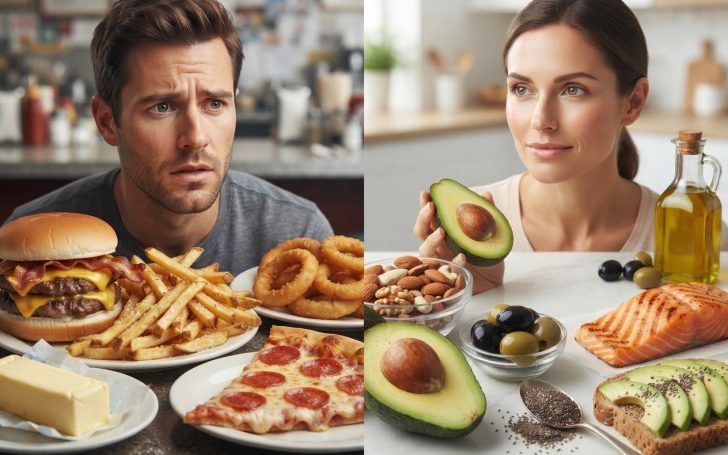
Try using olive oil in place of other fats in your diet. You can cook vegetables in it, add it to sauces, or mix it with vinegar for a salad dressing. You can also use it instead of butter on bread or as a dip for bread. Using pure olive oil may also lower the risk of a heart attack.
Foods with added plant sterols or stanols
Margarine, chocolate, and orange juice that have plant sterols added can help lower LDL cholesterol. Adding 2 grams of plant sterols to your diet each day can lower LDL cholesterol by 5% to 15%. Plant sterols and stanols do not seem to change triglyceride levels or HDL cholesterol.
It is not clear whether foods with plant sterols or stanols lower the risk of a heart attack or stroke. Even so, experts believe that eating these foods, like eating vegetables that help lower cholesterol, also lowers the risk of heart and blood vessel events.
Whey protein
Whey protein is found in dairy products and may offer several health benefits. Studies have shown that whey protein taken as a supplement lowers both LDL and total cholesterol, as well as blood pressure. Talk to your doctor before you start taking whey protein supplements.
What should you avoid if you have high cholesterol?
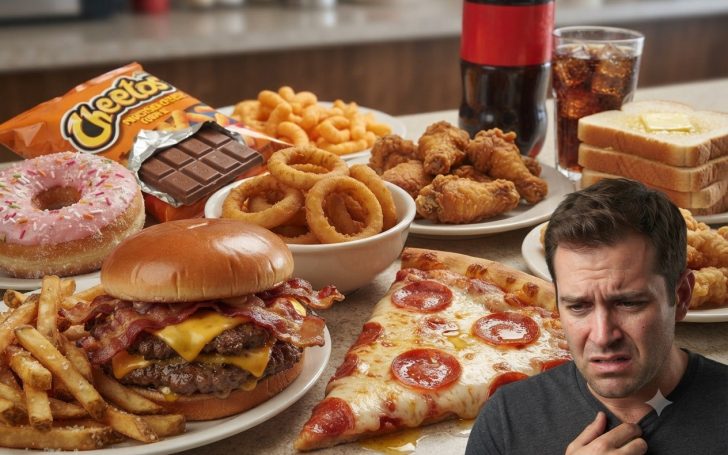
To get the full benefit of the foods above, you also need to make other changes to your diet and lifestyle. One of the most helpful changes is to limit the saturated fat and trans fat you eat.
Saturated fat is found in animal fat, skin, organ meats, red meat, butter, cheese, and other full-fat dairy products. It raises your total cholesterol. Cutting saturated fat to less than 7% of your total daily calories can lower LDL cholesterol by 8% to 10%.
Trans fat, sometimes listed on food labels as “partially hydrogenated vegetable oil,” is often used in margarine, crackers, and pastries. It also raises your overall cholesterol level.
The bottom line
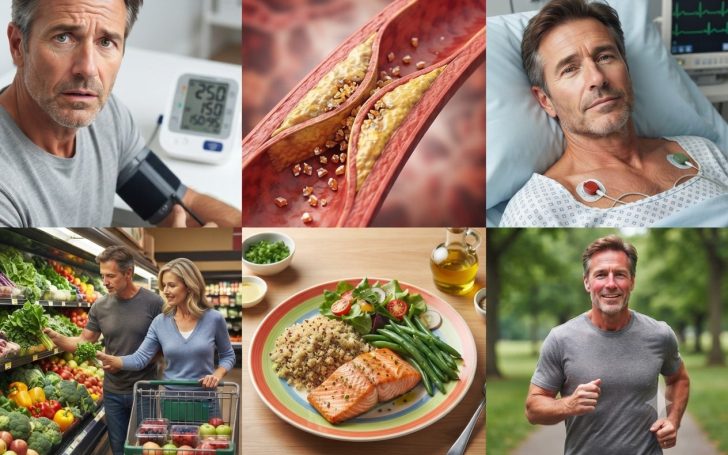
Knowing which vegetables to eat for high cholesterol helps not only people with high cholesterol but also anyone who wants better overall heart health. Eating more vegetables and fruit significantly lowers systolic blood pressure (the top number).
Besides vegetables that help lower cholesterol, you can also eat fatty fish, plant sterol-fortified margarine, granola, dark chocolate, nuts, and fruits such as apples, grapes, strawberries, and citrus fruit. All of these help lower LDL cholesterol.
References
- Effect of a diet high in vegetables, fruit, and nuts on serum lipids — PubMed
- The Effects of Certain Vegetable and Animal Fats on the Plasma Lipids of Humans — ScienceDirect
- 11 foods that lower cholesterol — Harvard Health
- 7 foods that may lower your cholesterol — Heart Foundation New Zealand
- Cholesterol - healthy eating tips — Better Health Channel
- Cholesterol: Top foods to improve your numbers — Mayo Clinic
Medical disclaimer
FAQHealth content is for informational and educational purposes only. It is not a substitute for professional medical advice, diagnosis, or treatment. Always talk with your doctor or another qualified health professional about any questions you have about a medical condition.