How to Lower High Blood Pressure in Older Adults: Practical Steps
Learn how older adults can lower high blood pressure with medicine, weight loss, exercise, a healthier diet, and stress control.
On this page
Blood pressure is the force of blood pushing against the walls of your arteries. High blood pressure (hypertension) is most common in older adults, because aging makes blood vessel walls harden and lose their elasticity. For the same reason, controlling high blood pressure in older people takes strict, steady effort. So what are the simple but effective ways to lower blood pressure in older adults?
This guide walks through practical steps that older adults can start using right away. Monitoring blood pressure and treating high blood pressure may be lifelong, so it helps to make these steps part of your daily routine and keep your heart as healthy as possible.
How dangerous is high blood pressure in older adults?
Blood pressure goes up and down during the day rather than staying at one number. It drops when you relax or sleep, rises naturally in the morning, and rises for a short time when you are stressed, excited, or exercising. But if your resting blood pressure stays too high, it can scar, stiffen, and weaken your blood vessels. This damage raises several risks:
- It can double the risk of a heart attack.
- It can raise the risk of a stroke fourfold.
- It increases the risk of heart failure, vision loss, kidney problems, dementia (memory loss), and circulation problems such as peripheral artery disease (leg pain caused by narrowed or blocked blood vessels).
- It can contribute to erectile dysfunction in men.
That is why it matters to know how to lower blood pressure even when high blood pressure is not causing any symptoms. Doing so reduces the risks above, including those that can threaten your life.
How can older adults lower blood pressure?
In a study of 975 older women and men with high blood pressure, healthy lifestyle steps allowed 40% of them to stop taking blood pressure medicine. Another study showed that lifestyle changes can lower the risk of developing high blood pressure in people at high risk.
Older adults have several things to weigh when choosing how to treat high blood pressure. The main approaches are below.
Take blood pressure medicine as prescribed
To bring your blood pressure down to a healthy level, your doctor may recommend healthy lifestyle changes, medicine, or both. When to start medicine, how much to take, and which kind depends on how serious your high blood pressure is. If you have prehypertension (blood pressure that is higher than normal but not yet in the high range), lifestyle changes alone may be the first step. If your blood pressure is higher, your doctor will still recommend lifestyle changes along with medicine.
Here are some important points about blood pressure medicine for older adults:
- Doctors often prescribe more than one medicine. Each works in a different way to control blood pressure better, or to allow a lower dose of each medicine and reduce the risk of side effects.
- Your doctor may change the dose gradually to find the lowest dose that works. It can take 1 to 6 weeks of slowly increasing the dose for your blood pressure to come down. Lowering blood pressure quickly with medicine is not necessarily better, because dropping it too fast can cause dizziness and raise the risk of falls.
- If you notice anything unusual that may be a side effect of your medicine, do not stop it or lower the dose on your own. See your doctor or tell them so they can adjust your treatment. Side effects can include fatigue, cold hands and feet, erectile dysfunction, depression, trouble sleeping, changes in heart rhythm, and a dry cough.
Older adults often forget to take their medicine, lose track of the dose of each one, or double up after a missed dose and take too much. Many also take several different medicines, so mix-ups are easy to understand. To take every dose correctly and on time, sort each day’s medicine into its own container, write clear notes, and use reminders. Not taking medicine as prescribed can raise the risk of heart disease, stroke, and other health problems by 50%.
Lose weight if you carry extra
Extra weight, especially fat stored around the belly, can raise blood pressure by increasing the volume of blood and changing the balance of the hormones that regulate blood pressure.
Even a small amount of weight loss can make a big difference. Losing about 7.7 lb (3.5 kg) may lower the risk of developing high blood pressure by 50% or more. Losing 11 lb (5 kg) has been shown to lower systolic blood pressure (the top number) by about 7 mmHg.
Try to keep your body mass index (BMI) in the healthy range of 18.5 to less than 25. BMI is calculated by dividing your weight in kilograms by your height in meters squared (or your weight in pounds divided by your height in inches squared, times 703).
Your waist measurement should also be under 35 inches (90 cm) for men of Asian descent and under 31.5 inches (80 cm) for women in general.
Cut back on alcohol
Men should have no more than 2 drinks a day (2 glasses of wine or 2 cans of beer). For women, the limit is 1 drink (1 glass of wine or 1 can of beer) a day.
A small amount of alcohol can relax the arteries and help lower blood pressure, but too much narrows the blood vessels and pushes blood pressure up.
Move more to keep blood pressure steady
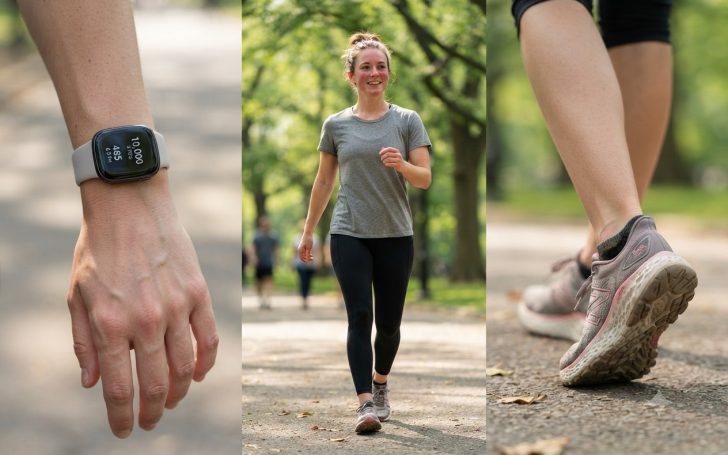
Exercise and other physical activity are also ways to lower blood pressure in older adults. Being active keeps your arteries flexible. It also reduces the activity of the sympathetic nervous system, which can narrow the blood vessels and raise blood pressure.
According to the American Heart Association, if you already have high blood pressure, regular exercise alone can lower your blood pressure by 8 to 10 mmHg.
Adults 65 and older: Do any activity you enjoy, or simply walk or garden, for at least 30 minutes a day on at least 5 days a week.
Adults 64 and younger: Aim for a total of 2.5 to 5 hours of moderate-intensity activity, or 1.25 to 2.5 hours of vigorous activity, each week.
- Moderate-intensity activities include brisk walking, golf, swimming, and mowing the lawn.
- Vigorous activities include jogging, aerobics, soccer, netball, and fast cycling.
- Also do muscle-strengthening or resistance exercises on at least 2 days a week, such as squats, lunges, pull-ups, push-ups, weightlifting, carrying groceries, or digging.
- During resistance exercises, breathe normally and do not hold your breath, because holding your breath raises blood pressure.
If you have chest pain, palpitations, or sudden shortness of breath while exercising, stop the activity and call 911 (or your local emergency number) or go to the nearest emergency room (ER) right away.
Pay attention to your diet
Calcium, magnesium, and potassium. These minerals help your body regulate blood pressure. They are found in low-fat and nonfat dairy products such as milk and yogurt, as well as in grains and beans. Not getting enough of these minerals can raise blood pressure. Choose whole grains, beans, and low-fat or skim dairy, and get fiber and vitamins from fruits and vegetables.
Sodium. A lot of sodium, found in many processed foods and in salt, can make your body hold on to water, which raises blood pressure. It can also narrow small blood vessels, which raises blood pressure further. Eat less salt (less than 1 teaspoon of salt a day) and limit processed and canned foods.
Saturated fat. Saturated fat is found in animal fat, skin, organ meats, red meat, cheese, butter, whole-milk dairy products, and many processed foods. It can also raise blood pressure. Choose healthy fats instead, such as canola oil, sunflower oil, olive oil, peanuts, nuts, and fatty fish. In general, fat should make up only 20% to 35% of your total daily calories.
Quit smoking and avoid secondhand smoke
Smoking damages your arteries and raises the risk of heart disease, diabetes, and stroke. When you smoke, the chemicals in tobacco also raise your blood pressure.
Everyone, not just people with high blood pressure, is advised to quit smoking and stay away from tobacco smoke.
Manage stress
The body’s stress response releases hormones that raise blood pressure for a short time. You will feel better, and find it easier to make other healthy changes, if your mind is healthy too.
Older adults should regularly practice stress-relief techniques such as breathing exercises, meditation, tai chi, exercising outdoors, or any favorite activity. Meditation has been linked to lower blood pressure and may lower the risk of heart attack and stroke.
People with sleep apnea (pauses in breathing during sleep) need treatment for it, and good sleep helps lower blood pressure in older adults.
Keep track of your blood pressure
People with high blood pressure should have their blood pressure checked at the doctor’s office twice a year or more often, depending on their situation and their doctor’s instructions. People who have both diabetes and high blood pressure need a check every 3 months.
If you can, keep a blood pressure monitor at home so you can check your blood pressure every day and write the readings down. If a reading is much higher or lower than usual, measure again. If your blood pressure is still abnormal, see a doctor right away.
The bottom line
These are the steps heart experts around the world recommend for lowering blood pressure in older adults. Your doctor may also have extra advice for your situation. Always follow your doctor’s instructions, go to your follow-up visits on time, and keep up the healthy lifestyle habits above to keep your blood pressure in a safe range.
References
- High Blood Pressure and Older Adults — National Institute on Aging (NIH)
- How to lower your blood pressure — healthdirect (Australia)
- A lower blood pressure goal benefits some older adults — Harvard Health
- Hypertension Management in Older and Frail Older Patients — Circulation Research (AHA Journals)
Medical disclaimer
FAQHealth content is for informational and educational purposes only. It is not a substitute for professional medical advice, diagnosis, or treatment. Always talk with your doctor or another qualified health professional about any questions you have about a medical condition.