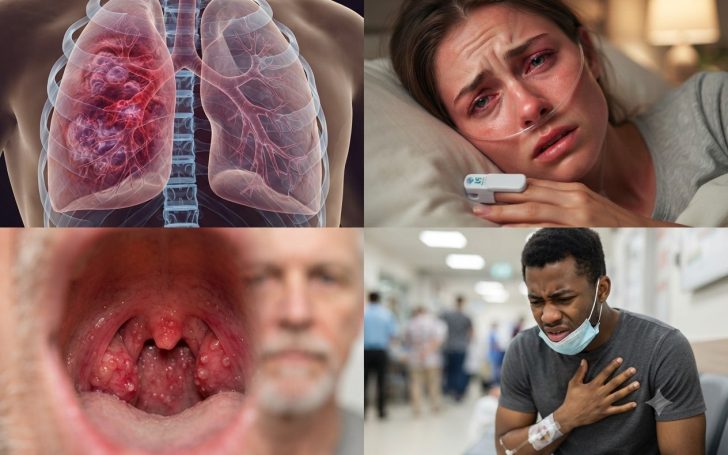
Human Metapneumovirus (HMPV): Symptoms, Spread, and Prevention
Human metapneumovirus (HMPV) causes cold-like symptoms but can lead to pneumonia in some people. Learn how it spreads, who is at risk, and how to prevent it.
On this page
In early 2025, reports of a rise in respiratory illness caused by human metapneumovirus (HMPV) in some countries, including China, raised fears of another pandemic like COVID-19. The symptoms look a lot like the flu or COVID-19, so many people want to know what this virus is and how to protect themselves.
Human metapneumovirus is a common respiratory virus. This guide explains what HMPV is, how it spreads, who is most at risk, what the symptoms are, how it is treated, and how to prevent it.
What is human metapneumovirus (HMPV)?
Human metapneumovirus (HMPV) is a virus that causes symptoms similar to the common cold. It usually leads to an upper respiratory infection (nose and throat). In some cases it can also cause a lower respiratory infection, such as pneumonia, an asthma attack, or a flare-up of chronic obstructive pulmonary disease (COPD).
HMPV infections are more common in winter and early spring. Most people catch HMPV before age 5, but you can get it again. If you are infected again, the symptoms are usually milder than the first time.
Is HMPV the same as respiratory syncytial virus (RSV)?
HMPV is related to respiratory syncytial virus (RSV). The two viruses can cause similar symptoms. They differ in the age group hit hardest: the most severe HMPV illness is usually seen in babies 6 to 12 months old, while RSV tends to cause the most severe symptoms in newborns and babies younger than 6 months.
What complications can HMPV cause?
HMPV infection can lead to complications such as:
- Bronchiolitis (inflammation of the smallest airways in the lungs)
- Bronchitis
- Pneumonia
- An asthma attack or a COPD flare-up
- Ear infection (otitis media)
These complications can become serious enough that you need to be treated in the hospital.
How does HMPV spread?
HMPV spreads through direct contact with a person who is sick, or by touching objects or surfaces that carry the virus. The virus then enters the respiratory tract. Common ways it spreads include:
- Coughing and sneezing
- Shaking hands, hugging, or kissing a person who is infected
- Touching contaminated items such as phones, doorknobs, stair handrails, keyboards, or toys
Who is at higher risk of HMPV infection?
Anyone can get HMPV, but some people are at higher risk:
- Children under 5 (especially babies born prematurely) and adults over 65
- People with a weakened immune system, whether from a condition such as HIV, cancer, or an autoimmune disease, or from medicines that suppress the immune system
- People with asthma or COPD
What are the symptoms of HMPV?
Symptoms of an HMPV infection include:
- Cough
- Fever
- Runny or stuffy nose
- Sore throat
- Wheezing
- Shortness of breath
- Rash
How is HMPV diagnosed and treated?
How is HMPV diagnosed?
Doctors usually diagnose HMPV based on your symptoms and your medical history. If needed, a doctor may use a swab to collect a sample of fluid from your nose or throat and test it for the virus and for other infections. In some cases, a doctor may also do a bronchoscopy or a chest X-ray to check whether the airways in your lungs are damaged.
How is HMPV treated?
There is currently no antiviral medicine that treats HMPV infection. Treatment focuses on managing symptoms at home until they gradually improve.
If symptoms are severe, you may need to stay in the hospital so doctors can monitor you and manage the illness with treatments such as:
- Oxygen therapy: If you have trouble breathing, doctors may give you extra oxygen through a tube or an oxygen mask.
- Intravenous (IV) fluids: Fluids given directly into a vein can help you get the fluid your body needs.
- Corticosteroids: These medicines may help reduce inflammation and ease some symptoms of HMPV infection.
See a doctor right away if:
- You have symptoms of a respiratory infection and an underlying health condition that raises your risk of serious illness.
- Your symptoms have not improved after a few days, or you have had a fever for more than 3 days.
How long does an HMPV infection last?
Mild HMPV infections usually last from a few days to a week. If you have severe symptoms, recovery may take longer. A lingering cough can also take a while to go away.
What can you do at home to recover faster?
You can manage mild HMPV symptoms, which are similar to a cold, at home:
- Drink plenty of fluids to prevent dehydration.
- Use over-the-counter (OTC) medicines such as pain relievers, decongestants, and cough medicine to ease symptoms. Ask your doctor first before giving any of these medicines to a child, to make sure they are safe.
What are the danger signs of HMPV?
Call 911 (or your local emergency number) or go to the nearest emergency room (ER) right away if you or your child has severe symptoms such as:
- A high fever (above 104°F, or 40°C)
- Trouble breathing
- Skin, lips, or fingernails turning blue or purple (cyanosis)
- Other symptoms that are getting worse
How can you prevent HMPV?
You can lower your risk of HMPV and other contagious illnesses by taking these steps:
- Wash your hands often with soap and water. If soap and water are not available, use an alcohol-based hand sanitizer.
- Cover your nose and mouth with a tissue or your elbow when you sneeze or cough.
- Limit contact with people who have a cold or signs of another contagious illness, especially respiratory symptoms. If you are sick with a contagious illness, avoid contact with other people too.
- Wear a mask when you go out or are in crowded places, and when you have to be around other people while you are sick.
- Avoid touching your face, eyes, nose, and mouth.
- Do not share food or eating utensils (forks, spoons, cups) with other people.
Is HMPV dangerous for young children?
HMPV can be dangerous for young children, because the virus can cause bronchiolitis and pneumonia in babies and toddlers. If you suspect your child has an HMPV infection, take your child to a doctor right away.
To help prevent HMPV and limit its spread among children:
- Teach your child to wash their hands often with soap and water, and keep hand sanitizer on hand for them.
- Teach your child to cover their mouth and nose with a tissue or elbow when they cough or sneeze.
- Keep your child home and limit contact with other people when they have symptoms.
The bottom line
HMPV can often be treated at home, but it can also cause complications that affect the lungs and airways. Good hygiene and staying away from people who are sick are the best ways to protect yourself and help stop the virus from spreading.
References
Medical disclaimer
FAQHealth content is for informational and educational purposes only. It is not a substitute for professional medical advice, diagnosis, or treatment. Always talk with your doctor or another qualified health professional about any questions you have about a medical condition.