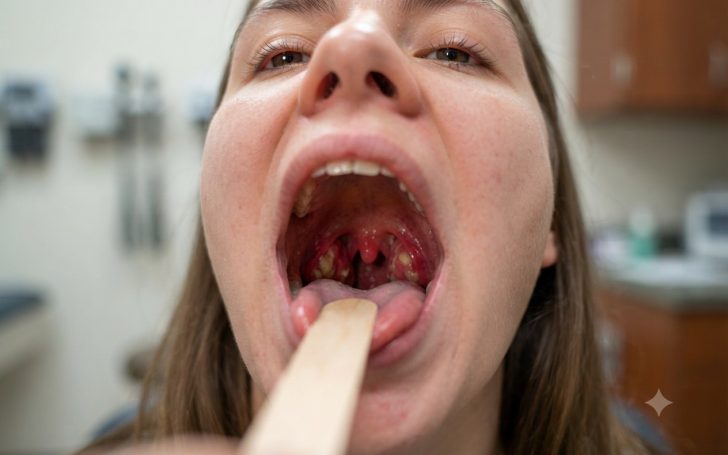
What Is Ebola? Symptoms, Risks, and How to Prevent It
Ebola is a rare but severe viral illness. Learn how dangerous it is, its symptoms, what to do if you may be exposed, and how to prevent infection.
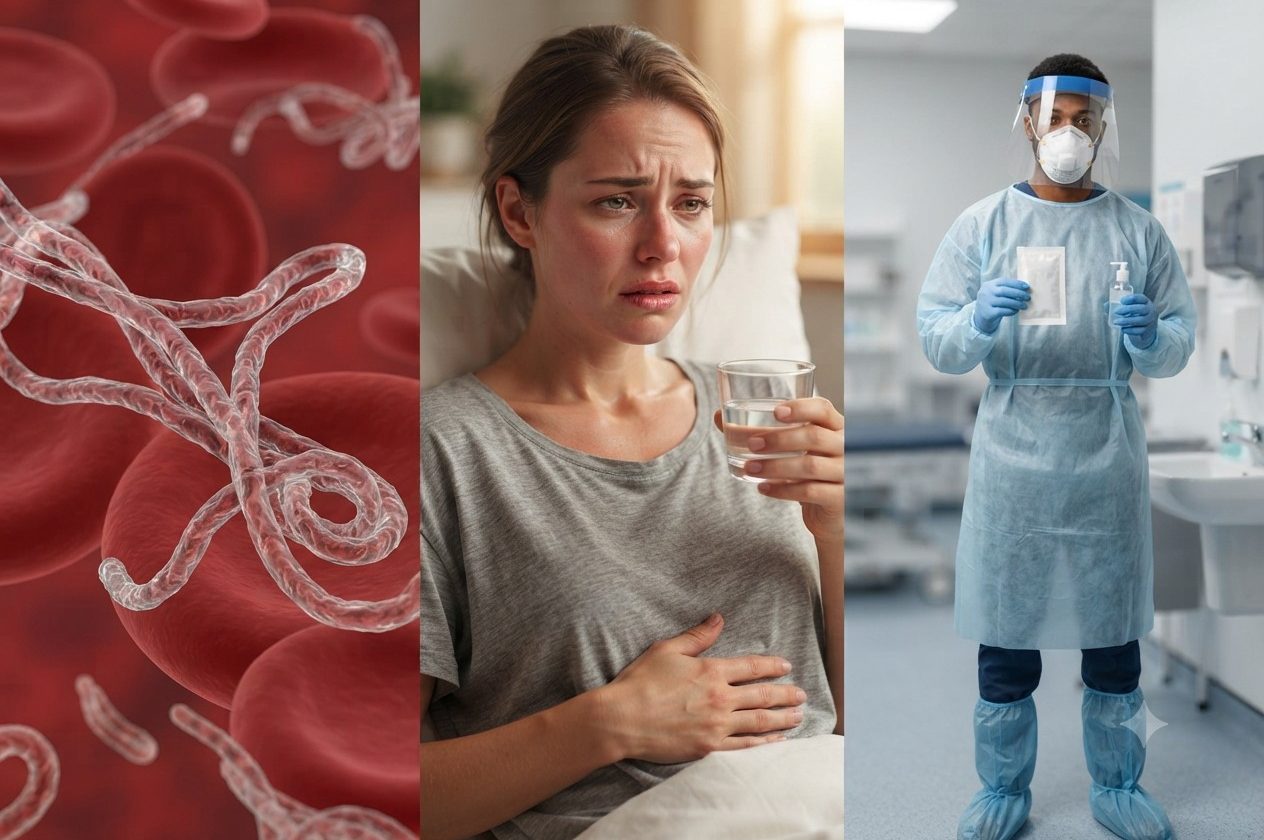
On this page
Ebola is one of the most dangerous infectious diseases in the world because of the damage it does to the body and its high death rate. Knowing what Ebola is helps you understand the disease and prepare, since outbreaks continue to happen in many parts of the world.
This guide explains where Ebola comes from, its symptoms, and how to prevent infection, based on current medical information.
What is Ebola?
Ebola disease (EBOD) is a rare but extremely serious illness that often causes death in people and other primates (such as monkeys and chimpanzees).
The virus was first identified in 1976 in two outbreaks that happened at the same time. One was in Nzara (now in South Sudan) and was caused by Sudan virus. The other was in Yambuku, in the Democratic Republic of the Congo (DRC), near the Ebola River.
Since then, Ebola outbreaks have occurred on and off in Central Africa. The 2014 to 2016 outbreak in West Africa was the largest and most complex in history. It spread across borders into countries such as Guinea, Sierra Leone, and Liberia, and killed more than 11,000 people. In 2026, new outbreaks continue to be reported in the DRC and Uganda, which calls for close attention from the international community.
What does the Ebola virus cause, and how dangerous is it?
Medically, the virus causes a viral hemorrhagic fever. The viruses belong to the genus Orthoebolavirus in the family Filoviridae. Six Orthoebolavirus species have been identified. Three of them most often cause large outbreaks in people:
- Ebola virus (EBOV): causes Ebola virus disease (EVD).
- Sudan virus (SUDV): causes Sudan virus disease (SVD).
- Bundibugyo virus (BDBV): causes Bundibugyo virus disease (BVD).
How deadly is Ebola?
The death rate is the most alarming thing about Ebola. On average, about 50% of people who get the disease die. In past outbreaks, the death rate has ranged from 25% to 90%, depending on the virus and the size of the outbreak. For Bundibugyo virus (BDBV), the strain behind the 2026 outbreak, earlier outbreaks recorded death rates of 25% to 50%.
The virus attacks the immune system and damages blood vessels, which can lead to severe failure of multiple organs.
Can the virus stay in the body after recovery?
Yes. Ebola virus can persist in the body even after a person has recovered from the illness. The places where the virus can hide, called immune-privileged sites, include the testes, the inside of the eyes, and the central nervous system (the brain and spinal cord).
In pregnant women, the virus can persist in the placenta, the amniotic fluid, and the fetus. In women who are breastfeeding, the virus can appear in breast milk.
What are the symptoms of Ebola?
The incubation period (the time from infection until symptoms start) is 2 to 21 days. An important point: a person who is infected does not spread the virus until symptoms appear.
Symptoms usually start suddenly and are severe. They include:
- Early stage: high fever, fatigue, muscle pain, headache, and sore throat.
- Later stage: vomiting, diarrhea, and a rash, along with signs that the kidneys and liver are not working well.
- Bleeding stage: not every patient bleeds, but internal and external bleeding can occur, such as bleeding gums, blood in the stool, or vomiting blood.
What is neurological Ebola?
In medicine, this is not a separate disease. It is a term for the effects of Ebola virus on the central nervous system.
When the virus attacks the central nervous system, a person may become confused or irritable and may act aggressively. As noted above, the central nervous system is also one of the places where the virus can stay for a long time after a person has recovered from the other symptoms.
Who is most likely to get Ebola?
Anyone who has direct contact with the body fluids of a person who is infected is at high risk. Groups at special risk include:
- Health care workers: people who care directly for patients without strictly following infection-prevention measures.
- Family and friends: people who are in close contact with a patient while caring for them at home.
- People at funerals: people who have direct contact with the body of someone who has died during burial rituals.
In the 2026 outbreak, most cases were in people ages 20 to 39, and two-thirds of them were women.
What should I do if I think I have Ebola?
If you have just returned from an area with an outbreak (such as the DRC or Uganda), or you have been in contact with someone who may have Ebola, and you start to have a fever, headache, or fatigue, take these steps right away:
- Isolate yourself immediately. Keep away from family members and other people to avoid spreading the virus through direct contact with body fluids.
- Contact health authorities. Call a medical hotline or the nearest hospital to report your symptoms and your exposure and travel history. Do not travel on public transportation.
- Get care early. Seeking medical care early can mean the difference between life and death. Supportive care, which means rehydration (by mouth or through an IV) and treatment of specific symptoms, greatly improves the chance of survival.
- Be honest about your contacts. Help health workers trace the people you have been in contact with so they can protect others.
Is there a vaccine for Ebola?
Yes, but only for one species so far. Vaccines are approved only for Ebola virus (EBOV). Two have been approved: Ervebo (made by Merck) and Zabdeno and Mvabea (made by Janssen). Ervebo is usually the one recommended during outbreak response.
There is no approved vaccine yet for other species such as Sudan virus (SUDV) or Bundibugyo virus (BDBV). Vaccine candidates for them are still in clinical trials.
How can you prevent Ebola?
Controlling Ebola relies on a mix of medical measures and changes in community behavior.
Reduce the risk of spread from animals to people: Limit contact with high-risk wild animals, such as fruit bats, monkeys, chimpanzees, forest antelope, or porcupines, especially if they are sick or dead. Never eat raw meat from these animals.
Reduce the risk of spread from person to person:
- Avoid direct contact (through broken skin or mucous membranes) with the blood and body fluids (stool, vomit, urine, and so on) of a person who is sick with Ebola or who has died of it.
- Do not touch objects or surfaces contaminated with a patient’s body fluids, such as bedding and clothing.
- Keep your hands clean with soap and water or a hand sanitizer.
Control in health care settings and communities:
- Health care workers must strictly follow infection-control measures, including wearing appropriate personal protective equipment (PPE) when caring for patients.
- Hold safe and dignified burials, and do not touch the body of a person who died of Ebola.
- People who have recovered should take part in semen testing and practice safe sex until they have consecutive negative test results, because the virus can persist in semen for up to 15 months.
The bottom line
Understanding what Ebola is can reduce needless panic while adding the right amount of caution. Ebola has a high death rate and can spread quickly. Still, with community involvement, early detection, isolation measures, and modern supportive treatment, outbreaks can be brought under control.
If you plan to travel to an area with an outbreak warning, follow health notices from the World Health Organization (WHO) and the Centers for Disease Control and Prevention (CDC), and practice good personal hygiene.
References
Medical disclaimer
FAQHealth content is for informational and educational purposes only. It is not a substitute for professional medical advice, diagnosis, or treatment. Always talk with your doctor or another qualified health professional about any questions you have about a medical condition.