Is Influenza B Dangerous? Incubation, Fever, and Recovery Time
Influenza B is usually mild in healthy people but can cause serious complications. Learn the incubation period, how long fever lasts, and who is at risk.

On this page
Is influenza B dangerous when its symptoms look so much like a common cold that it is hard to tell the two apart? For most healthy people, flu B is mild. For some, it can turn serious.
This guide answers common questions about influenza B (flu B): how dangerous it is, how long the incubation period lasts, how long the fever lasts, and when you should expect to feel better.
What is influenza B?
Influenza B is a type of seasonal flu caused by the type B influenza virus. It is an infection of the respiratory tract (the nose, throat, and lungs).
Flu B has symptoms that are easy to mistake for a common cold, such as sneezing, a runny nose, and a sore throat. The symptoms are usually more severe, though. Most people with flu B get better on their own, and some do not need any treatment. A small number develop dangerous complications, especially people at high risk, such as older adults, young children, people with weakened immune systems, and people with chronic conditions.
How long is the incubation period for flu B?
The flu B virus spreads from person to person through respiratory droplets in the air when a person with the virus talks, coughs, or sneezes. The virus can also stay on surfaces that a sick person has held or touched. Someone who touches those surfaces and then touches their eyes, nose, or mouth can become infected.
After infection, the incubation period (the time before symptoms show) is about 1 to 4 days, and there are no clear symptoms during this time. Children and people with weak immune systems may have a longer incubation period. The virus can still spread from person to person while it is incubating.
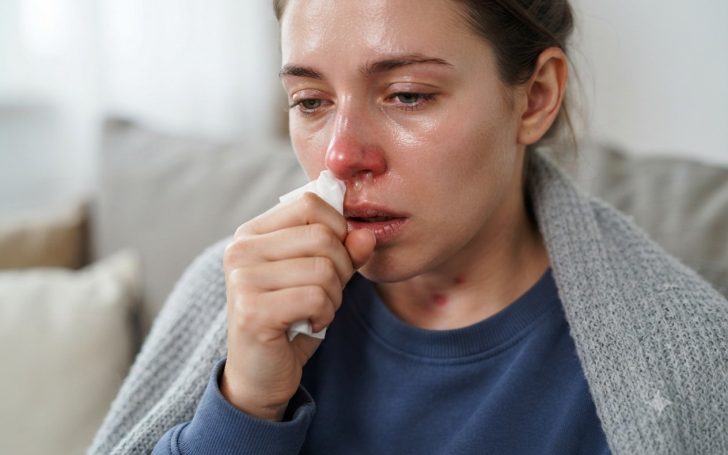
After the incubation period, a person has flu symptoms for about 3 to 5 days. They include a fever that can range from mild to high, along with a sore throat, cough, sneezing, and a runny nose.
How long does the fever last, and how long until you recover?
How long does fever last with flu B?
A person with flu B may feel hot or have chills and shivering. Body temperature can rise to about 102.2°F to 105.8°F (39°C to 41°C) in the first few days, and the fever lasts about 5 days. Other symptoms, such as a sore throat, cough, and body aches, can last longer, from several days to a few weeks.
When you have a fever, you can take an over-the-counter fever reducer or use home measures to bring your temperature down and feel more comfortable.
When should you get medical care?
Some signs mean the person needs to be seen by a doctor or taken to the nearest medical facility quickly, so that dangerous complications can be prevented:
- A high fever above 102.2°F (39°C) that lasts, along with trouble breathing or fast breathing: call 911 (or your local emergency number) or go to the nearest emergency room (ER) right away.
- Chest pain or tightness, or dizziness: call 911 (or your local emergency number) or go to the nearest ER right away.
- Diarrhea that does not go away
- Repeated or heavy vomiting
- Fever with a rash in a child
How long does it take to recover from flu B?
In healthy people, flu B symptoms usually ease 5 to 7 days after the incubation period and the start of symptoms. People at high risk of complications may take longer to recover. They should not treat flu B on their own at home. They need to see a doctor for an exam, monitoring, and treatment.
Is flu B dangerous?
In most healthy people, flu B is mild. It causes the usual flu symptoms and goes away on its own, so it is not very dangerous.
However, flu B can become severe and damage the lungs. This can lead to respiratory failure, fast breathing, and trouble breathing. It can also cause other complications, such as a sinus infection, pneumonia caused by a secondary infection, septic shock, and failure of several organs. People who already have a chronic condition, such as lung disease, liver disease, kidney failure, heart and blood vessel disease, or diabetes, can get worse when they catch flu B.
So, can flu B be dangerous? Yes. The people who can develop dangerous complications from flu B include:
- Children under 5 years old, especially those under 2
- Children with a chronic disease, malnutrition, or severe obesity, and children born with a weakened immune system
- Adults over 65
- People who already have a chronic medical condition
- People with a weakened immune system, such as people being treated with cancer drugs and people with HIV/AIDS
How dangerous flu B is depends on the health of the person who is infected. It is best not to take it lightly if you suspect that you or a family member has flu B.
What should you do if you think you have flu B?
If you have signs or symptoms that suggest flu B, go to the nearest medical facility for an exam and an accurate diagnosis so you can get the right treatment. If your illness is mild, you can care for yourself at home with measures that ease your symptoms and do not require medicine. If the flu is severe and has caused complications, you will be admitted to the hospital for monitoring and treatment.
At home, these steps can support your immune system and may help you recover faster:
- Clean your airways every day by gargling and rinsing your nose with saline (salt water).
- Eat enough nutrients and vitamins to build up your body’s defenses.
- Drink plenty of fluids.
- Rest more, and keep the space around you clean and well ventilated.
You can also avoid passing the virus to others. Keep your distance, limit contact with other people, do not spit in public, wear a mask when you go out, and tell the people around you that you may be sick. Wash your hands often, especially after you cough or sneeze.
How can you prevent flu B?
To protect yourself from the flu B virus and from seasonal flu in general:
- Keep your hands clean, especially before you touch your eyes, nose, or mouth.
- Do not share personal items with other people, such as cups, spoons, chopsticks, and toothbrushes.
- Avoid crowds and crowded places.
- Wear a mask in public places.
- Keep your distance from people who have flu-like symptoms.
You can also get a seasonal flu vaccine every year. A vaccinated person who still catches the flu virus usually has milder symptoms, recovers faster, and has a lower risk of dangerous complications than someone who has not been vaccinated.
The bottom line
Flu B is mild for most healthy people, but it can be serious for young children, older adults, people with chronic conditions, and people with weakened immune systems. Know the signs, take care at home when your illness is mild, get medical care when warning signs appear, and protect yourself with good hygiene and a yearly flu vaccine.
References
Medical disclaimer
FAQHealth content is for informational and educational purposes only. It is not a substitute for professional medical advice, diagnosis, or treatment. Always talk with your doctor or another qualified health professional about any questions you have about a medical condition.