Can’t Wake Up From a Dream? Sleep Paralysis and False Awakening
Feeling awake but unable to move, or thinking you woke up when you didn't? Learn what sleep paralysis and false awakening are, what causes them, and how to cope.
On this page
Have you ever felt half asleep and half dreaming, or known you were dreaming but couldn’t wake up? Many people wonder whether this is dangerous, what causes it, and whether it can be fixed.
This guide covers the symptoms, causes, and ways to cope with the feeling of being unable to wake up.
What does it mean to be unable to wake up from a dream?
Being unable to wake up usually comes down to one of two experiences: sleep paralysis and false awakening. Research shows that both happen at the start of REM sleep (the stage of sleep when most vivid dreaming happens) or near its end. They have a lot in common, but the difference between them is fairly clear.
Sleep paralysis
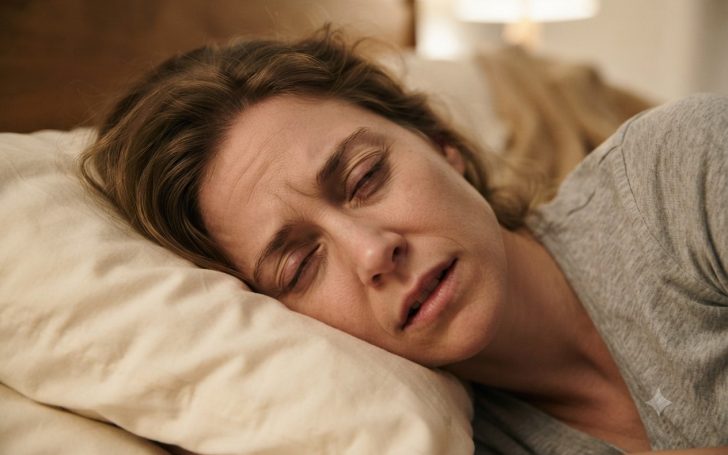
Sleep paralysis means you can’t move or speak even though you feel awake. You may be able to move your eyes and be aware of your surroundings, yet you can’t move your body. It can feel as if someone is holding you down and you can’t fight back.
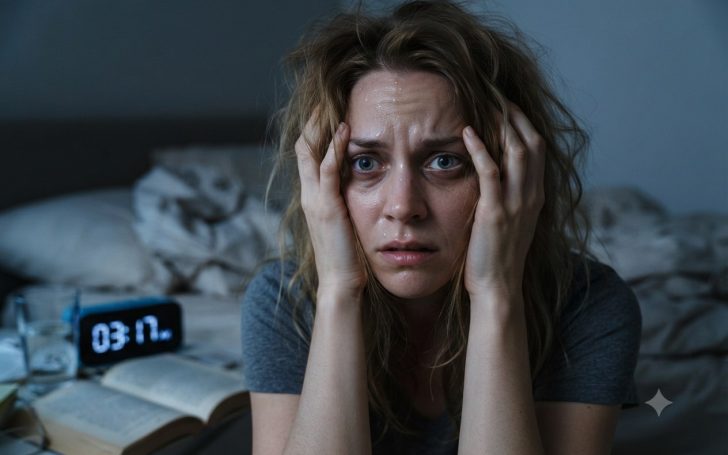
People who go through this may try to scream but manage only a whisper. Some describe a feeling of suffocation that eases only when the episode ends. They often describe an intense fear of impending doom, of being chased, or of needing to escape imminent danger. Sometimes hallucinations of sound and touch come with it, so people may recall vivid, dream-like stories for many years afterward.
How long does sleep paralysis last? It can last a few seconds or a few minutes. It usually happens just after you fall asleep or just before you wake up, and it often ends when someone wakes you or shakes you.
What does sleep paralysis feel like? During an episode you may notice:
- Being awake but unable to move
- A tight feeling around the throat, being unable to speak, and sometimes feeling like you can’t breathe
- Hallucinations of an intruder, or a sense of danger in the bedroom
- A feeling of pressure on your chest, of suffocating, or of someone pushing down on your chest
- Hallucinations of movement or balance, such as flying or an out-of-body feeling
False awakening
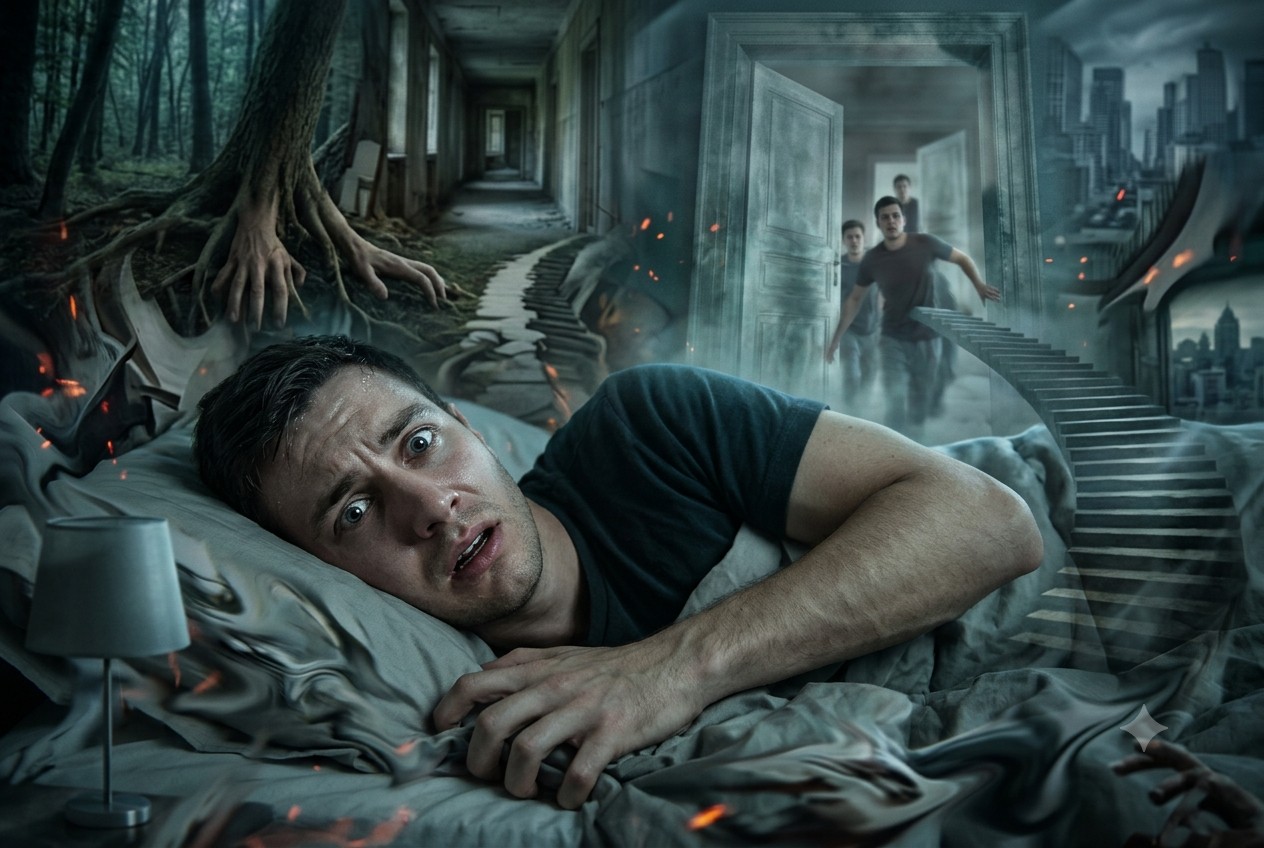
A false awakening is when you believe you have woken up but are actually still dreaming. This in-between state can feel extremely vivid and real.
You may think you have woken up, gone through your usual morning routine, and started your day, while in reality you are still asleep.
Sleep paralysis and false awakening share a lot. Both can feel very real and can cause anxiety. The difference is that during a false awakening, you feel you can move freely in your dream. During sleep paralysis, you can’t move even though you are awake.
When does it happen?
Sleep paralysis happens between REM sleep and waking up, when the body is still in sleep mode but the brain is active. It typically occurs at two points:
- When you are just falling asleep (going from awake to asleep). Your awareness fades, your brain begins to rest, and your muscles gradually relax. Sleep paralysis happens when the brain suddenly becomes active while the muscles are fully relaxed.
- When you are about to wake up (going from asleep to awake). Sleep paralysis happens when the brain wakes up before the body has fully woken up, meaning the muscles have not yet returned to normal.
False awakening usually happens as the body shifts from sleep to waking. It can show up in two ways:
- When you are about to wake up. You may wrongly believe you have woken up and start your day with routines such as washing up, brushing your teeth, or checking your phone.
- When you believe you have woken up several times in a row. This can cause confusion and make it hard to tell reality from a dream. The dreamy, uncertain state can leave you anxious, bewildered, and sometimes constantly panicked.
Is it dangerous to be unable to wake up?
Is sleep paralysis dangerous? Overall, it does not cause physical harm and rarely happens often. But it commonly leaves people feeling uneasy, upset, and afraid.
An estimated 10% of people may have repeated sleep paralysis or feel more upset and frightened when it happens again. This can lead to negative thoughts and more anxiety at bedtime. Indirect effects include trouble falling asleep, lack of sleep, or insomnia caused by stress.
Is false awakening dangerous? The answer is the same: it does not affect physical health. However, frequent false awakenings can cause confusion and distress, and they can affect your quality of life, for example by making you late or giving you false memories.
False awakenings can also happen several times in a row, which can be upsetting if you feel you can’t wake up.
What causes it?
The exact cause is still not well understood, and studies of what raises the risk have found mixed results.
Factors linked to sleep paralysis include:
- Sleep disorders, including obstructive sleep apnea, chronic insomnia, and circadian rhythm disorders
- Post-traumatic stress disorder (PTSD)
- Generalized anxiety disorder
- Panic disorder
- Narcolepsy, a condition that makes a person suddenly fall asleep
- Disrupted sleep, for example from shift work or air travel
- A family history of sleep paralysis
- Drinking alcohol
Less research has been done on false awakening. Some experts believe it is caused by overexcitement (hyperarousal) during REM sleep. It is also thought to be closely linked to sleep paralysis and to insomnia, especially short-term insomnia.
How can you cope with it?
If sleep paralysis or false awakening bothers you, change your sleep habits. These steps can help prevent and ease both experiences:
Do:
- Get 7 to 9 hours of sleep a day.
- Keep a consistent sleep schedule. Go to bed and wake up at set times, even on days off and weekends.
- Make your bedroom comfortable, dark, and quiet. Turn off electronics and lights at bedtime and make sure no noise interrupts your sleep.
- Relax before bed, for example with a bath, a book, or soothing music.
- Exercise regularly, but not within 2 to 4 hours of bedtime.
Don’t:
- Eat a very heavy meal or a large amount of food, smoke, or drink alcohol or caffeine right before bed.
- Sleep on your back. This may make sleep paralysis more likely.
- Use a phone, tablet, e-reader, or computer in the 30 minutes before bed.
When should you see a doctor?
See a doctor for a diagnosis and treatment if you often have sleep paralysis and any of the following apply:
- You feel very anxious or afraid to go to sleep.
- You are always tired from lack of sleep, or you feel tired and low on energy after waking even though you slept long enough.
- It takes you more than 30 minutes to fall asleep.
- You are always anxious, fearful, or panicky, and worry even about small things.
- You have trouble concentrating or you are forgetful during the day, which affects your work or studies.
- You are often sleepy or nodding off during the day even though you sleep 7 to 9 hours a night.
- False awakenings often make you late and leave you confused and disoriented.
The bottom line
Learning about sleep paralysis and false awakening can help you make sense of these strange sleep experiences and ease unnecessary worry. In most cases, neither affects your physical health directly. But if they happen often and disrupt your daily life, see a doctor for advice and support.
References
Medical disclaimer
FAQHealth content is for informational and educational purposes only. It is not a substitute for professional medical advice, diagnosis, or treatment. Always talk with your doctor or another qualified health professional about any questions you have about a medical condition.