Microplastics: Health Risks and How to Reduce Your Exposure
Microplastics are tiny plastic particles found in food, water, and air. Learn what they are, how they may affect health, and practical ways to reduce exposure.
On this page
Plastic items are handy, but behind that convenience is a quiet concern for your health: microplastics. These tiny pieces of plastic have made their way into the food chain, our water, and even the air we breathe.
Understanding what microplastics are and how to limit your contact with them is more than a green-living trend. It may also help protect your long-term health. This guide explains what microplastics are, how they may affect your body, and everyday ways to reduce your exposure.
What are microplastics?
Microplastics are pieces of plastic smaller than 5 mm (about 0.2 in). They are often too small to see with the naked eye. There are two main types:
- Primary microplastics: These are tiny particles made on purpose, such as the microbeads in cosmetics, face wash, and toothpaste, or the plastic pellets (small plastic beads) that serve as raw material for the plastics industry.
- Secondary microplastics: These form when larger plastic items, such as plastic bags, plastic bottles, foam boxes, or fishing nets, break down under sunlight and physical wear. For example, a polystyrene (PS) plastic coffee cup lid with a surface area of 1 cm² (about 0.16 square inches) can release millions of tiny nanoplastic particles after some time under ultraviolet (UV) light.
The word “microplastics” was first used in 1968, but scientists did not formally define them as tiny plastic particles until 2004.
Where are microplastics found?
Microplastics are everywhere: in the oceans, the soil, and the air, and in everyday foods and drinks such as table salt, beer, seafood, bottled water, and even tea bags.
One big source that few people think about is car tires. Tire wear on the road contributes up to 28% of the microplastic particles that reach the oceans, carried by airborne dust and water.
How can microplastics harm your health?
Microplastics may build up in organs such as the brain, heart, lungs, and kidneys. They may raise the risk of inflammation, hormone (endocrine) disruption, and memory problems, and they may carry harmful bacteria into the body.
Their tiny size is what makes them a concern. It lets them travel deep into the body through food, drink, and the air we breathe. Recent studies have found microplastics in human blood, the placenta, lungs, kidneys, heart, and even the brain.
- Effects on the body: Microplastics may cause chronic inflammation because the immune system sees them as foreign objects. Some studies have also reported a link between microplastics and dementia (memory loss).
- Chemical exposure: Microplastics often contain harmful additives, such as plasticizers (chemicals that make plastic flexible), stabilizers, and pigments. Their surfaces can also soak up pollutants from the environment, such as heavy metals, and carry them into the body.
- Hosts for germs: Microplastics can become a home for harmful bacteria, which may give disease-causing germs a way into the body.
Do microplastics cause cancer?
No study has directly shown that microplastics cause cancer in people. Even so, they are considered a potential concern because they can cause chronic inflammation and can carry harmful chemicals that disrupt hormones.
At what temperature do plastics release microplastics?
Common single-use plastics can release microplastics at any temperature, but the amount released rises as the temperature goes up.
Research has found that at 4°C (39°F), plastic-coated paper cups release about 126 particles per liter (about 34 fl oz). At 80°C (176°F), they release a much larger number of microplastics.
Heating a plastic container in the microwave for just 3 minutes can release up to 4.22 million microplastic particles.
Can microplastics break down?
Microplastics are extremely hard to break down. Like ordinary plastic products, they take from 100 to 1,000 years to break down completely in nature. For example, plastic bags take 10 to 100 years, while plastic bottles or diapers can take 500 to 1,000 years to disappear.
Because they last so long, microplastics keep building up in ecosystems.
How can you reduce microplastics in daily life?
You can’t remove microplastics from the environment completely, but you can take steps to lower your own exposure:
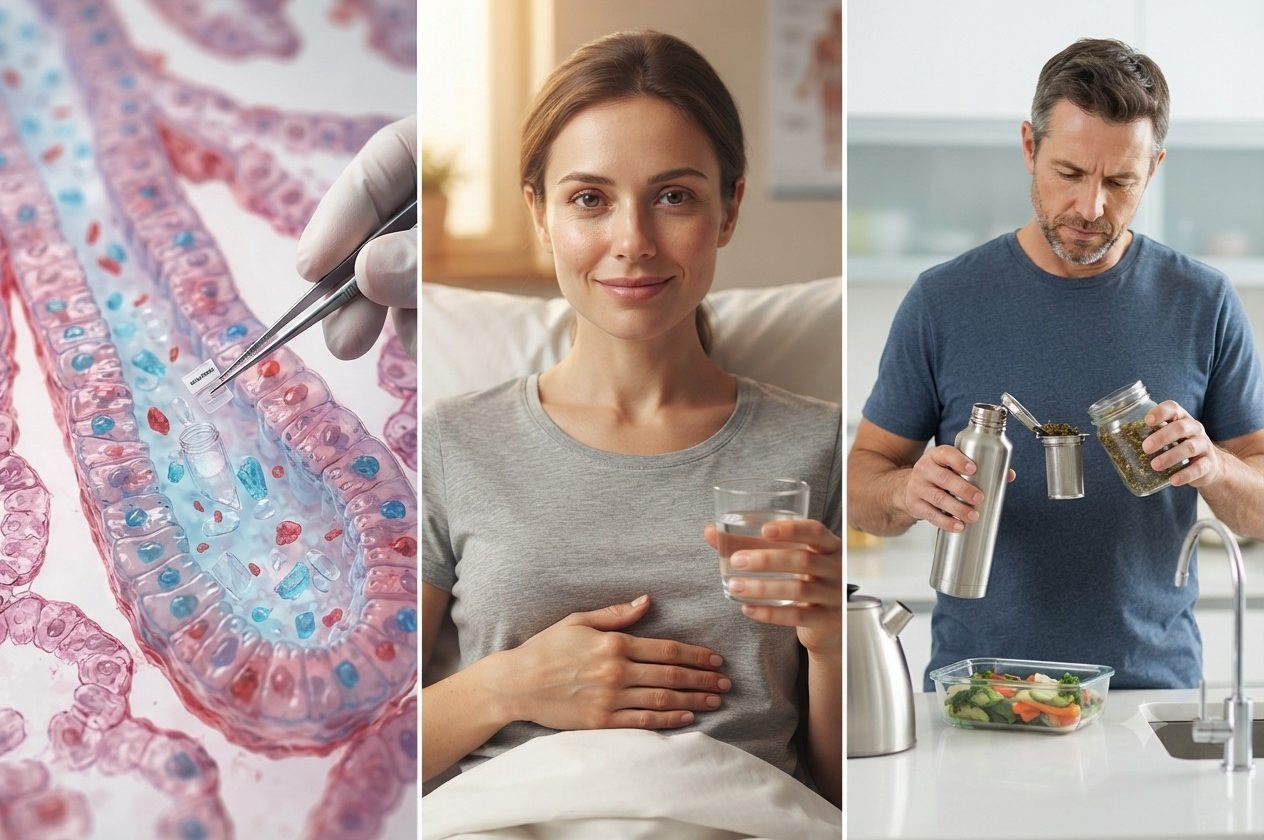
- Drinking water: Boiling water before you drink it can cause microplastics to clump together and settle out, removing up to 80% of them. Special water filters can also help.
- Kitchen items: Swap plastic cutting boards for wood or bamboo ones. Use food containers made of glass, metal, or ceramic instead of plastic containers and plastic wrap.
- Cooking habits: Avoid heating food in the microwave while it is still in a plastic container. Move it to a ceramic plate or glass bowl first. Avoid washing plastic items in the dishwasher, because high heat makes plastic break down more easily and release microplastics onto your dishes.
- Natural materials: Choose clothes made of natural fibers (cotton, wool, linen) over synthetic fibers (polyester, nylon) to cut down on plastic dust released during washing and drying. Replace carpets and shower curtains with natural fabric ones.
- Sustainable shopping: Use less single-use plastic, such as straws, plastic forks and spoons, and plastic bags. Choose products that are fully biodegradable and made from natural sources.
The bottom line
Microplastics can harm both the environment and your health. You can’t avoid them completely, but changing everyday habits, such as using less single-use plastic and choosing biodegradable products, can lower the amount of microplastics that enter your body.
A few simple habits go a long way:
- Stop using single-use plastic bottles and switch to a metal or glass water bottle.
- Boil your drinking water to remove most microplastics.
- Choose cleaning and skin care products that do not contain microbeads.
References
Medical disclaimer
FAQHealth content is for informational and educational purposes only. It is not a substitute for professional medical advice, diagnosis, or treatment. Always talk with your doctor or another qualified health professional about any questions you have about a medical condition.