Signs of Acute and Chronic Respiratory Failure: What to Know
Respiratory failure can come on suddenly or build slowly. Learn the warning signs of acute and chronic types, how it's diagnosed, and how to prevent complications.

On this page
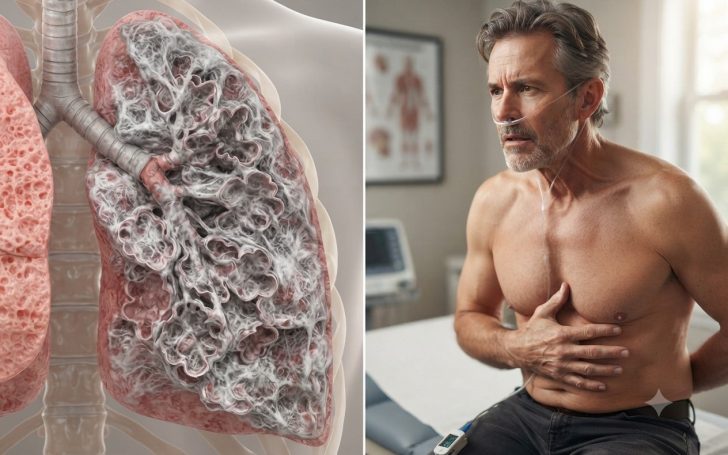
Respiratory failure happens when the respiratory system can’t do one or both of its gas exchange jobs: taking in oxygen (O2) and removing carbon dioxide (CO2). It can develop quickly (acute), with symptoms such as trouble breathing, gasping, and fast, rapid breathing. This is an emergency: call 911 (or your local emergency number) or go to the nearest emergency room (ER) right away. It can also develop slowly and last a long time (chronic), with symptoms such as tiredness and less physical activity that gradually get worse.
Knowing the signs of respiratory failure is the best way to get help in time and avoid serious complications. This guide explains the signs of acute and chronic respiratory failure, how doctors diagnose it, and how to prevent complications.
What is respiratory failure?
Respiratory failure is divided into 2 types, based on the levels of gases in the blood: a low level of O2 and a high level of CO2.
- Low O2: tissues and organs don’t get enough oxygen to work normally.
- High CO2: the lungs can’t get rid of CO2, so it builds up in the air sacs (alveoli) of the lungs. This can damage tissues and organs, and it can block or slow the delivery of oxygen to the body.
A person can have one or both of these conditions at the same time.
What are the signs of acute respiratory failure?
Acute respiratory failure is an emergency. It happens suddenly and needs emergency care right away. The symptoms differ between the 2 types: low O2 and high CO2.
Signs of acute respiratory failure with low oxygen
At first, the person may notice:
- Shortness of breath, trouble breathing, and a feeling of not getting enough air
- Bluish or purple lips, fingertips, or toes
- Trouble with everyday activities, such as getting dressed, bathing, or climbing stairs, because of tiredness
- Drowsiness
Signs of acute respiratory failure with high carbon dioxide
The first symptoms include:
- Fast breathing, or extremely slow breathing
- Blurred vision
- Headache
- Confusion
In practice, it is almost impossible to tell low-O2 failure from high-CO2 failure by symptoms alone, because the symptoms overlap and are hard to separate. To tell them apart accurately, doctors need to check the arterial blood gases (a blood test, described below).
Some people have symptoms of low O2 and high CO2 at the same time. If the brain and heart don’t get enough oxygen, or if the level of carbon dioxide gets very high, the person can become extremely drowsy. They may become groggy and unresponsive, have an irregular heartbeat, or even lose consciousness (pass out).
If you see similar symptoms in yourself or someone near you, call 911 (or your local emergency number) right away.
What are the signs of chronic respiratory failure?
The symptoms of chronic respiratory failure may not be obvious at first. They usually develop slowly over a long period, typically from a few days to a few months. The person gradually adapts to the lack of O2 or the excess of CO2 and makes small changes, such as walking more slowly and avoiding physical activity.
As the condition progresses, the signs of respiratory failure may include:
- Shortness of breath or trouble breathing: At first, this usually happens during hard physical effort. Over time, as the condition progresses, it can also happen at rest and affect sleep, and the person’s daily activities become limited.
- Tiredness: This is caused by too little oxygen reaching the organs of the body.
- Slightly bluish skin, lips, or nails: This may be noticeable at rest and can become clearer with physical effort.
- Fast breathing and a fast heartbeat: These are caused by an imbalance of the gases involved in breathing.
- Anxiety, restlessness, confusion, and reduced awareness: These are caused by the imbalance of gases, oxygen that is too low, or carbon dioxide that is too high.
- Frequent headaches
- Blurred vision
Chronic respiratory failure can also cause other symptoms, depending on what causes it. For example:
- If the cause is heart-related, the person may have chest pain.
- If the cause is related to the nervous system, the person may have weakness in the arms and legs.
- If the cause is asthma, the person may wheeze.
- Pneumonia may cause fever, cough, and coughing up phlegm.
When you notice the early symptoms of respiratory failure, see a doctor right away to find the cause and plan treatment. Chronic respiratory failure is usually treated over the long term, continuously at home. It is a serious condition and may get worse over time. As it gets worse, it can lead to an abnormal heart rhythm, stopped breathing, or coma.
How do doctors diagnose respiratory failure?
The doctor will ask about your personal and family medical history and your risk factors, especially any medical condition that may affect your lungs and breathing. The doctor will also ask about the signs of respiratory failure you are having, and how severe they are and how often they happen.
Then the doctor will do a physical exam, which includes:
- Checking the color of your lips, fingernails, or toenails
- Checking your heart rate
- Listening to your lungs
- Measuring the oxygen saturation level in your blood (SpO2)
- Measuring your blood pressure
- Taking your body temperature
Tests that help confirm the cause include:
- Arterial blood gas test: A blood sample is taken from an artery to measure the levels of oxygen, carbon dioxide, pH, and bicarbonate in your blood. These tests help show whether you have respiratory failure and which type it is.
- Blood tests: These can help find the cause of the signs of respiratory failure and check whether other organs are affected.
- Culture (testing for bacteria), if an infection is suspected.
- Bronchoscopy: This can show a blockage, a tumor, or other causes of respiratory failure.
- Imaging (X-ray, CT, MRI): These give detailed pictures of the lungs and show inflammation or damage, if there is any.
- Heart tests, such as an electrocardiogram (ECG) and an echocardiogram (heart ultrasound), to rule out a heart-related cause.
- Lung biopsy: This shows changes in the cells of the lung tissue, or the bacteria causing an infection.
- Pulmonary function tests: These measure how well your lungs are working.
How can you prevent complications of chronic respiratory failure?
Respiratory failure can damage the lungs and other organs, including the brain and kidneys, so it is important to get treated promptly.
People with chronic respiratory failure may need ongoing care to prevent damage to the lungs and other organs. They may also need to carry a portable oxygen tank and tubing to help them breathe.
These steps can help prevent complications:
- Quit smoking.
- Avoid lung irritants, such as air pollution, chemical fumes, dust, and secondhand smoke.
- Avoid alcohol or limit how much you drink.
- Get vaccinated, for example with the pneumococcal vaccine and a flu shot every year.
The bottom line
Respiratory failure can develop quickly or build up slowly. The signs can look somewhat different in each case. People with the condition and the people who care for them need to know these signs so they can respond the right way in each situation.
References
Medical disclaimer
FAQHealth content is for informational and educational purposes only. It is not a substitute for professional medical advice, diagnosis, or treatment. Always talk with your doctor or another qualified health professional about any questions you have about a medical condition.