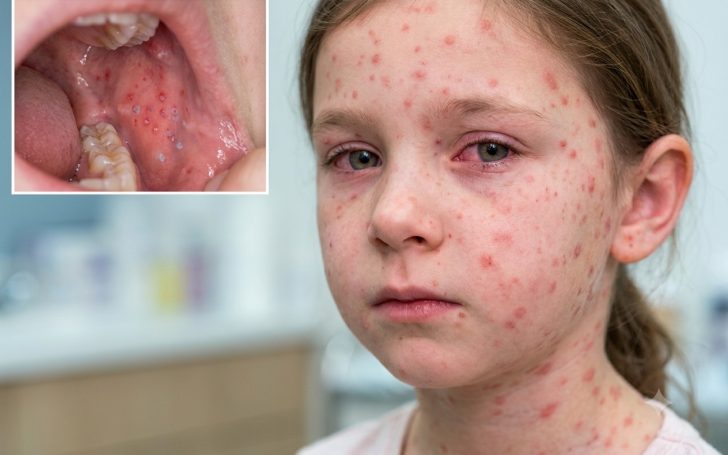
Heat Rash in Adults: Home Remedies and Treatment
Heat rash in adults happens when sweat ducts get blocked. Learn the types, causes, home remedies, over-the-counter options, and when to see a doctor.
On this page
Heat rash is not just a problem for babies. Many adults get it too, and the itching and discomfort can be hard to ignore. So what causes heat rash (miliaria) in adults, and how can you treat it effectively?
This guide explains the types of heat rash, what causes it, how to treat it at home, which over-the-counter products may help, and when to see a doctor.
What is heat rash in adults?
What types of heat rash are there?
Heat rash in adults falls into 3 types, based on how deep in the skin the sweat duct blockage is:
- Miliaria crystallina: Tiny, clear, fluid-filled blisters that break very easily. This is the mildest type, and it usually does not cause itching or inflammation. It happens when sweat ducts are blocked in the outermost layer of the skin (the stratum corneum).
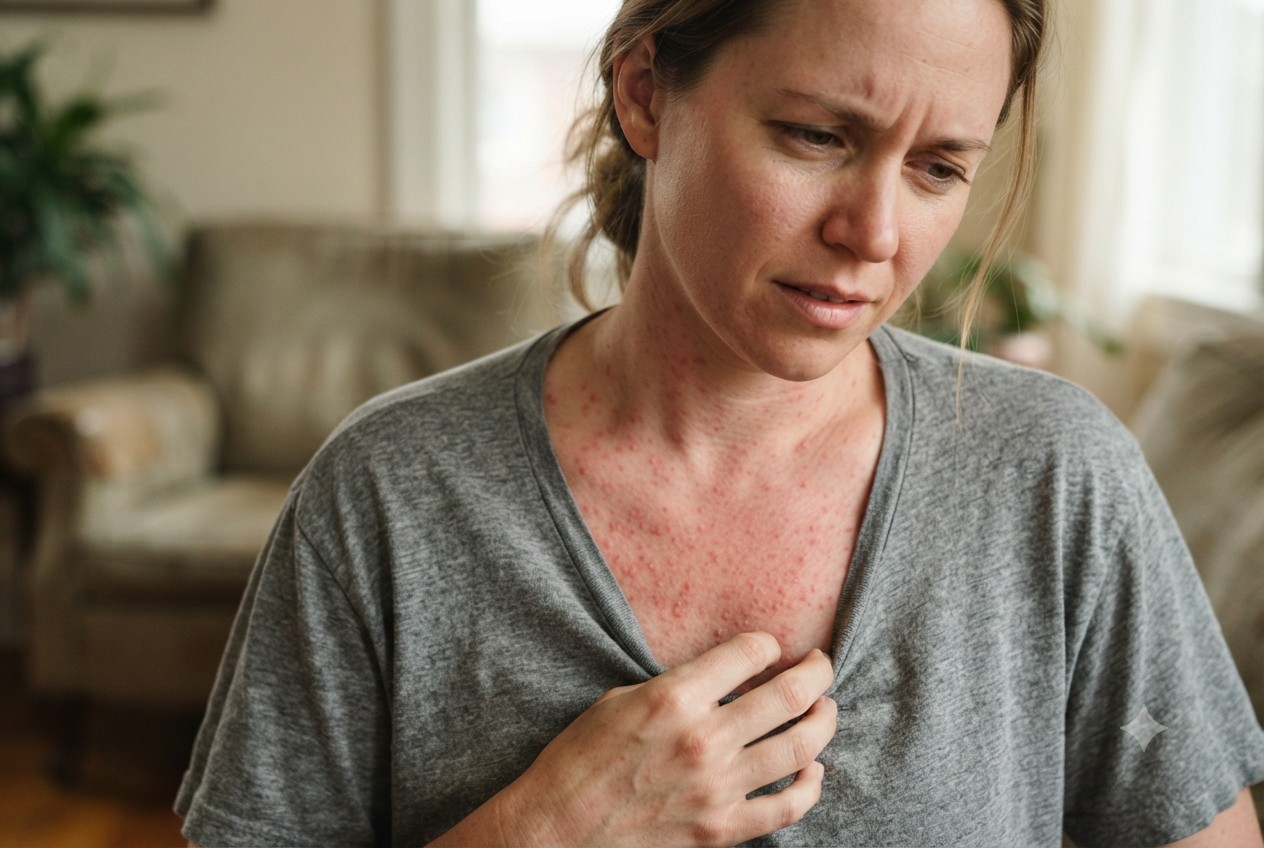
- Miliaria rubra (prickly heat): Small red bumps, sometimes with blisters, that itch and sting, especially when you sweat. This is the most common type. It happens when sweat ducts are blocked in a deeper layer of the skin. In adults, it often shows up where clothing rubs against the skin, such as the back, chest, armpits, and groin. Keep this in mind when you treat heat rash.
- Miliaria profunda: Larger, firm bumps that usually do not itch but can be painful. This is the rarest type, and it is fairly serious. It happens when sweat ducts are damaged where the epidermis (upper skin layer) meets the dermis (deeper skin layer). Miliaria profunda often appears after repeated episodes of miliaria rubra.
What causes heat rash in adults?
Heat rash is directly caused by sweat glands and ducts that are blocked or inflamed. This blocks the pores, so sweat cannot escape and the skin becomes irritated. Factors that can lead to heat rash or make it worse include:
- High temperature and humidity
- Clothing that does not let air through, or that is too tight
- Intense physical activity for a long time
- A medical condition that keeps a person in bed or causes a long-lasting high fever
- Blockage from dead skin cells or bacteria on the skin
How do you treat heat rash in adults?
Heat rash is not a serious condition, but the itching and discomfort can get in the way of daily life.
Home care for heat rash
If the rash is not severe, you can treat it at home by sweating less, cooling the skin, and preventing more sweat duct blockage. Once the skin cools down, heat rash usually clears up quickly. Try these steps:
- Stay cool. Spend time in a cool, airy place, or use a fan or air conditioner to bring down your body temperature. Avoid crowded, stuffy places with poor airflow.
- Wear loose clothing. Choose thin cotton or other natural fibers that soak up sweat well. Avoid tight clothing and synthetic fabrics, which trap heat and keep sweat from escaping.
- Bathe often in cool or lukewarm water. This helps clean off sweat and dirt and can ease the itch. Choose a fragrance-free body wash that cleans pores thoroughly, so the rash is not irritated further. After bathing, gently pat your skin dry. Do not rub hard.
- Avoid products that clog pores. On the rash, limit oil-based moisturizers, makeup, very thick sunscreens, and scented products, because they can block pores even more.
- Drink enough water. Staying hydrated helps your body regulate its temperature and supports skin recovery. You can drink water, fresh fruit juice, or traditional cooling drinks such as kudzu root, black bean, or wedelia water.
- Eat a balanced diet. Get vitamins A, C, and E and zinc from vegetables and fruit, including cooling foods such as citrus fruits, strawberries, watermelon, dragon fruit, and pennywort (gotu kola) juice. Cut back as much as you can on spicy, greasy, and sugary foods.
- Apply a cool compress. Place a cool, damp towel or a cold pack wrapped in a cloth on the rash for about 15 to 20 minutes.
- Try not to scratch. It is hard, but scratching can damage the skin and let bacteria in, which can cause an infection. Gently pat the area or use a cool compress instead.
Natural ingredients that may cool the skin
Some common natural ingredients are traditionally used to cool the skin and ease heat rash in adults:
- Aloe vera gel: Applying aloe vera gel to the rash may help cool the skin and reduce irritation.
- Cucumber: Cucumber may help cool and soothe the skin, speed up healing of the rash, and ease discomfort.
- Herbal or fruit baths: Adults can add familiar ingredients to bath water, such as bitter melon, fresh ginger, pennywort (gotu kola), wedelia, watermelon rind, peach leaves, mulberry leaves, green tea, or star fruit leaves. These are traditionally used because they are thought to soothe, cool, and fight bacteria on the skin.
These methods are only for mild heat rash on unbroken skin. Do not use them on open wounds, because they could lead to infection.
Over-the-counter medicines for heat rash
If home care does not work or the rash is very uncomfortable, you can ask a pharmacist about over-the-counter (OTC) products such as:
- Calamine lotion: Can soothe the skin and ease itching.
- Low-strength topical corticosteroid: Corticosteroids reduce inflammation and itching. Use one only for a short time (5 to 7 days) and as directed. Do not use too much or use it for too long, because it can thin the skin or cause other side effects.
- Oral antihistamines: If the itching is bad, a pharmacist can advise you on an antihistamine to ease the discomfort.
Ask your doctor or pharmacist before using any of these products. Do not give medicines meant for adults to children.
When should you see a doctor for heat rash?
If you have treated the rash for several days and it has not gone away, or if it gets worse (for example, you notice pus, severe pain or itching, or a fever), see a doctor. The doctor can find the exact cause and recommend the right treatment. A doctor may prescribe medicines such as:
- Topical antibiotics: If the rash shows signs of a bacterial infection (pus-filled bumps), a doctor may prescribe an antibiotic to apply to the skin.
- Antiseptics: Antiseptics such as povidone-iodine (Betadine) or tincture of iodine may be used if there is an infection.
- Special cases such as miliaria profunda: Treatment is much more complicated. In some cases, a doctor may consider isotretinoin together with a moisturizer containing anhydrous lanolin to help restore sweat gland function. This must be done under close supervision by a dermatologist (skin doctor).
The bottom line
Heat rash is common in adults and usually mild. The most basic rule is to keep your skin cool and let it breathe, and to use medicines as directed if you need them. If the rash does not improve or gets worse, see a doctor.
References
Medical disclaimer
FAQHealth content is for informational and educational purposes only. It is not a substitute for professional medical advice, diagnosis, or treatment. Always talk with your doctor or another qualified health professional about any questions you have about a medical condition.