Revenge Bedtime Procrastination: Why You Stay Up Late and How to Stop
Staying up late to reclaim "me time" feels harmless, but lost sleep adds up. Learn why revenge bedtime procrastination happens and how to build a better night routine.
On this page
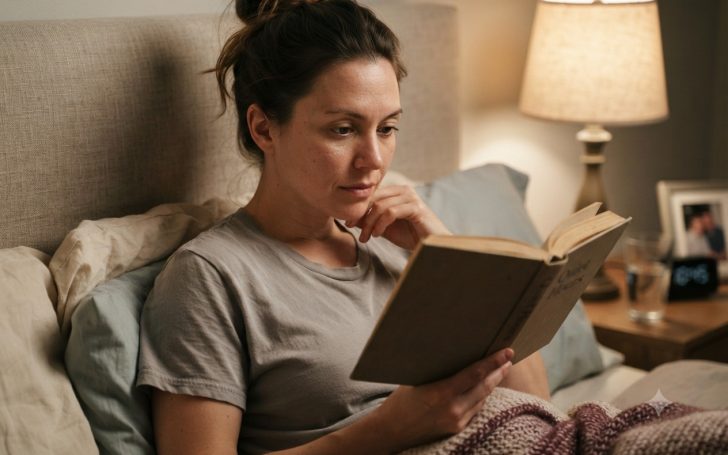
Between school, work, and everything else, many young people stay up late scrolling, watching shows, or enjoying some quiet time to make up for their busy days. The thinking goes: “My days belong to work, my nights belong to me.” It sounds simple, but it’s a classic example of revenge bedtime procrastination.
So what exactly is it, and how does this seemingly harmless habit affect your health?
What is revenge bedtime procrastination?
Revenge bedtime procrastination happens when you intentionally delay going to sleep, even though you know you need rest and that staying up late has downsides. It has three features:
- You go to bed later than you planned, so you get less sleep overall.
- There’s no real reason you have to stay up, such as a night shift or an emergency.
- You know it’s bad for you, but you stay up anyway.
It usually comes from wanting to enjoy personal time — one more episode, one more game, chatting with friends, or scrolling social media. It can mean going to bed late on purpose, or getting into bed on time but staying on your phone and putting off sleep.
How staying up late hurts your health
The American Academy of Sleep Medicine (AASM) and the Sleep Research Society (SRS) recommend that adults get at least 7 hours of sleep a night. Losing sleep by delaying bedtime can affect both physical and mental health:
- Memory and focus: Lack of sleep affects thinking, memory, and decision-making, lowering performance at school and work.
- Mood and mental health: Sleep-deprived people get irritable more easily, struggle to manage emotions, and have a higher risk of anxiety and depression.
- Physical health: Long-term sleep loss is linked to heart problems, metabolic conditions such as diabetes, and a weaker immune system.
- Accidents: Not sleeping enough at night leads to daytime sleepiness, slower reactions, and poorer judgment — especially dangerous when driving.
Staying up late can also weaken self-control. The more sleep you lose, the easier it becomes to keep delaying bedtime — a cycle that takes a growing toll. These effects don’t always show up right away; they can build over time.
What causes revenge bedtime procrastination?
Several psychological and behavioral factors usually overlap:
- Daytime stress and pressure: When most of your day goes to school, work, and responsibilities, you may feel there’s no time left for yourself. Staying up late becomes a way to relax and feel free.
- Trouble with self-control: Many people know they need sleep but still put it off. After a long day of focusing and making decisions, it’s harder to resist activities that bring instant enjoyment.
- The pull of devices: Scrolling social media, watching videos, or gaming before bed makes it easy to lose track of time. Constantly stimulating content also delays your body’s natural wind-down.
- Trouble switching off: Poor time management, no clear bedtime boundary, feeling mentally “wired,” or worrying at night can all make it hard to end the day on time.
When the need to de-stress and enjoy personal time isn’t met, many people choose short-term enjoyment over the long-term benefits of sleep. That’s why it’s important to see this habit through the lens of psychology and daily routines — not just as a lack of discipline.
How to go to bed earlier if you’re a night owl
The goal isn’t to force yourself into an early bedtime overnight. Instead, gradually adjust your routine and build healthy sleep habits:
- Shift your bedtime gradually. Go to bed 15 to 30 minutes earlier every few days so your body can adjust.
- Make time for yourself during the day. Schedule breaks, hobbies, or fun activities so you don’t feel the need to “take back” time at night.
- Limit devices before bed. Turn off notifications, keep your phone away from your bed, and avoid long scrolling sessions.
- Build a relaxing bedtime routine. Read, listen to soft music, take a warm bath 1 to 2 hours before bed, or practice deep breathing to help your body wind down.
- Wake up at the same time every day, including weekends, to strengthen your body clock.
- Limit caffeine and long naps. Avoid caffeinated drinks like coffee within 6 hours of bedtime. If you nap, keep it to 20 to 30 minutes and before 3 p.m.
The bottom line
Wanting time for yourself is completely valid. Instead of treating sleep as something to sacrifice for more free time, try balancing your schedule so you get both personal time and enough rest.
References
- Revenge Bedtime Procrastination — Sleep Foundation
- Sleep Corner: Revenge Bedtime Procrastination — Stanford Student Affairs
- Choosing Me-Time Over Sleep? — Cleveland Clinic
- About Sleep — CDC
- Recommended Amount of Sleep for a Healthy Adult — AASM & SRS Consensus Statement
- Association Between Late Bedtime and Diabetes Mellitus — NIH/PMC
Medical disclaimer
FAQHealth content is for informational and educational purposes only. It is not a substitute for professional medical advice, diagnosis, or treatment. Always talk with your doctor or another qualified health professional about any questions you have about a medical condition.
Demo content adapted and translated from Hello Bacsi.