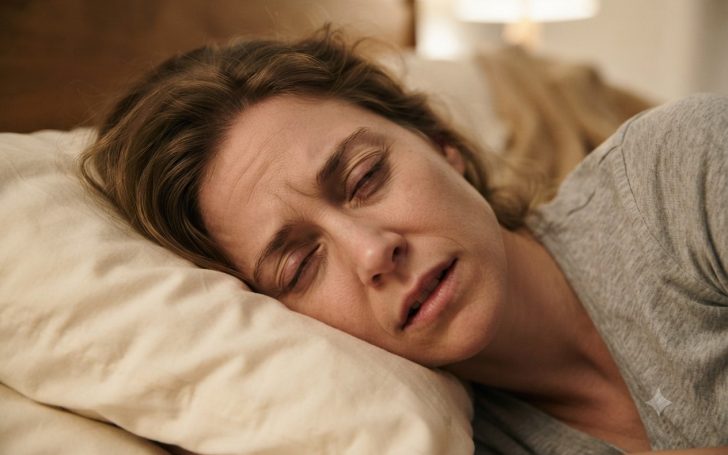
Frequent Dreaming: Causes, Effects, and How to Cut Back
Dreaming a lot at night is normal, but it can leave you tired. Learn what causes frequent dreams, when to see a doctor, and how to sleep more peacefully.
On this page
Almost everyone has dreamed during sleep. But dreaming a lot, night after night, can sometimes point to a health problem and leave you worn out.
This guide explains what dreaming is, why it happens, what can make you dream more often, how frequent dreaming may affect your health, and what you can do to cut back.
What is dreaming?
Dreaming is closely tied to REM sleep (rapid eye movement sleep). REM is one of the two basic states of sleep. The other is non-REM (NREM) sleep. REM sleep is also a lighter stage of sleep, with strong electrical activity in the forebrain and midbrain.
During REM sleep, the brain’s electrical activity rises to nearly the same level as when you are awake. That is why dreams in this stage are so vivid. The body also loses muscle tone, which means your muscles do not move, except for the muscles of the eyes and the diaphragm (the breathing muscle).
Dreams occur in cycles throughout the night, each time REM sleep appears. Even so, REM sleep takes up the smallest share of the sleep cycles. It makes up only about 25% of an adult’s total sleep time.
Why do we dream?
Dreams may help us in several ways:
- Strengthen memory and learning
- Manage emotions
- Express our deepest wishes from waking life
- Give us a chance to find solutions to problems we are facing
Many researchers believe dreams are essential for mental, emotional, and physical health. Others think dreams usually serve no real purpose at all. The bottom line is that many theories have been proposed, but there is no agreement on why we dream.
What causes frequent dreaming?
Several factors can contribute to dreaming a lot:
- Psychological stress, depression, tension, and too much pressure from work or school
- Regular use of stimulants such as alcohol and beer
- Emotional disorders and schizophrenia
- Other health conditions, such as sleep disorders and heart or circulation problems that cause a short-term lack of oxygen, which can affect the nervous system
- Irregular sleep or not getting enough sleep
When is frequent dreaming a health problem?
Dreaming can happen at any age, depending on a person’s health. In most cases, dreaming that follows no pattern, or dreaming a lot when you are tired, is not counted as a problem.
If you dream often and repeatedly, and you also feel tired and very sleepy, you should see a doctor for further monitoring. In more severe cases, frequent dreaming can come with bedwetting, flailing your arms and legs, sleepwalking, or sleep talking. These are still considered a cause for concern.
How can frequent dreaming affect your health?
Dreaming a lot over a long period can sometimes lead to problems such as:
- Feeling tired and uncomfortable after waking up
- Dreams that last until morning, or waking in the middle of the night and having trouble falling back asleep
- Feeling tired and sluggish when you wake up, whatever interrupted the dream
- Feeling anxious or in psychological distress
- Lower quality of work and daily life
- Frightening dreams and nightmares during a period of psychological distress, which can leave you extremely tired and anxious when you wake up
Dreaming every day can affect your sleep quality. That can make you tired, sluggish, and irritable, which in turn affects your work and daily life.
How can you dream less often?
You can try the following ways to dream less often.
Reduce stress and pressure before bed
Avoid overexertion and high-intensity exercise right before bed so you can get a full night of sleep. Prepare your mind to relax. You can listen to soft music, color, draw, read a book, or soak your feet in warm water before bed.
Stay away from horror movies. They can leave frightening images in your mind that later show up in your dreams.
Make your sleep space comfortable, clean, and quiet. Avoid any noise that could wake you in the night, and avoid very bright lights.
Eat and live in a healthy way
Eat regular, balanced meals and exercise often. Light exercise before bed is fine, and walking before sleep can help relax your mind and keep your blood flowing.
Also avoid overusing addictive substances and stimulants such as alcohol, tea, coffee, and sleeping pills. They can make your sleep restless and lead to nightmares. If you take a sleeping pill that a doctor prescribed, ask your doctor before changing or stopping it.
Do not go to bed hungry or too full. Instead, eat a small amount, just enough to feel comfortably full. That way you will not have trouble falling asleep or store extra fat and gain weight.
Adjust your sleep position
Sleep position can play a role in dreaming less. Some people advise against sleeping with your hand on your chest, especially over your heart. The idea is that this position puts pressure on the heart, which may slow its beat and reduce blood flow to the brain, though this is not well established.
You can sleep on your back or on your side. Try not to force yourself into one fixed position, because that can strain your body. Choose a few familiar positions, as long as you wake up feeling comfortable and refreshed.
Pay attention to how long you sleep
On average, aim for about 7 to 8 hours of sleep a day, and avoid sleeping too much, which is not good for your health. Keep in mind that how much sleep a person needs differs from one person to the next. Adjust your sleep time to what feels most comfortable for you.
Getting enough sleep helps your body recover, boosts your mental sharpness for effective work, and helps you avoid dreaming too often.
The bottom line
Dreaming is a mental activity during sleep, and it is a completely normal experience that reflects our needs and wishes while awake. But if frequent dreaming keeps going and comes with tiredness, a low mood, or heavy sleepiness, see a doctor for an exam and the right treatment.
References
- Excessive Dreaming — ScienceDirect
- Dreams: Why We Dream & How They Affect Sleep — Sleep Foundation
- Stress Dreams: Why Do We Have Them and How to Stop? — Cleveland Clinic
- Speaking of Psychology: The science of dreaming — American Psychological Association
- Natural Patterns of Sleep — Harvard Medical School Division of Sleep Medicine
Medical disclaimer
FAQHealth content is for informational and educational purposes only. It is not a substitute for professional medical advice, diagnosis, or treatment. Always talk with your doctor or another qualified health professional about any questions you have about a medical condition.