L4-L5 Bone Spurs: Causes, Treatment, and Diet
L4-L5 bone spurs form when the lower spine wears down. Learn the symptoms, causes, treatment options, diet tips, and when to see a doctor.

On this page
Bone spurs at L4-L5 are a common problem in middle-aged and older adults and in people who do heavy physical work. Some office workers now show signs of them too.
This guide explains what L4-L5 bone spurs are, what symptoms and causes to look for, how they are treated, and which eating habits can help.
What are L4-L5 bone spurs?
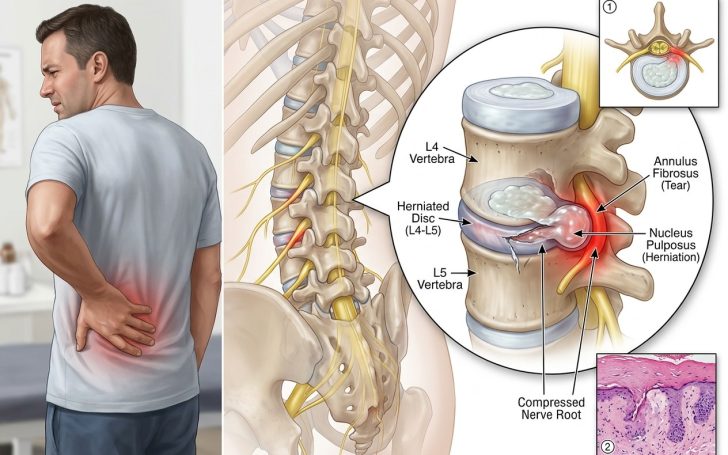
Bone spurs (osteophytes) in the spine are bony growths that stick out from the sides or the outer edges of the vertebrae and look like thorns. They are a feature of degenerative spine disease (spondylosis). Spurs can form almost anywhere along the spine, but they are most common in the lower back (the lumbar spine).
L4 and L5 (sometimes L3 as well) are the lowest vertebrae of the lumbar spine. They help the spine move flexibly and support the upper body. Because they carry so much load, L4 and L5 are under a lot of pressure and are easily damaged and worn down. When that happens, bone cells grow to make up for the worn area, and this growth forms a bone spur.
What are the symptoms of L4-L5 bone spurs?
How much a bone spur affects you depends on its size. A small spur does not rub against anything, so it usually causes no clear symptoms. When an L4-L5 spur gets larger and presses on nearby nerves, you may have:
- Limping or unsteady walking
- A dull, aching pain in the lower back that can be severe
- Pain that gradually spreads to the buttocks and down both legs
- Long-lasting pain that affects your quality of life
- Pain that is often severe during movement and eases with rest
- Trouble standing up straight, so that you have to bend forward to ease the pain
- Numbness or tingling in the arms and legs, muscle weakness, frequent loss of feeling in the arms or legs, and reduced ability to move
- Other symptoms, such as tiredness, stress, loss of appetite, weight loss, and trouble sleeping
L4-L5 bone spurs should be treated as early as possible. Left alone, the condition can get worse and lead to a curved spine, paralysis of a limb, or loss of control of the bladder and bowels. Losing control of your bladder or bowels is an emergency: call 911 (or your local emergency number) or go to the nearest emergency room (ER) right away.
What causes L4-L5 bone spurs?
- Natural aging: As the body ages, the discs between the vertebrae wear down because they lose water and moisture. The ligaments that hold the bones in place also become loose. To keep the spine stable, the body grows extra bone on the outer edges and sides of the spine. Over time, these growths turn into bone spurs.
- Injury: Injuries from vigorous sports or accidents can set off the body’s repair response and lead to bone spurs at L4-L5.
- Calcium buildup: Cartilage in the joints is up to 80% water. As age-related wear sets in, the cartilage loses a lot of water and changes so that it hardens with calcium (calcification). This raises the risk of bone spurs in the spine.
- Genetics: Some people inherit discs that are weaker than normal. This is one reason some people develop L4-L5 bone spurs when they are very young. The risk is higher if someone in your family has had spinal bone spurs.
- Spinal inflammation (spondylitis): When tissues around the joint, such as the muscles, nerves, ligaments, and discs, are damaged, the spine may form spurs to protect itself and keep working. This is not always good for the spine.
- Poor posture: Lying or sitting in the wrong position can damage the vertebrae. Lifting objects the wrong way is a special risk for forming bone spurs.
How are L4-L5 bone spurs treated?
Treatment depends on how severe the condition is. Your doctor may combine Western medicine with traditional (Eastern) medicine, add physical therapy, or, if the condition is very severe, recommend surgery. Treatment is mostly conservative (nonsurgical). Surgery is needed only when there are problems with the spinal cord or when a spur presses on a nerve, so you do not need to worry too much.
Treatment can take from a few weeks to several months, depending on your condition, how your body responds, and how well you follow the plan.
These are the methods used most often.
Get enough rest and adjust your activity
High-intensity sports such as weightlifting, golf, basketball, and soccer can strain your spine. They can put more pressure on the nerves near a spur, which can cause pain and make the condition worse. It is best to avoid these sports.
To support treatment, your doctor may suggest gentler activities such as walking, swimming, cycling, or yoga. These can take some of your body weight off the spine, build flexibility, and improve the range of motion of your back and neck. When you exercise:
- Wear suitable clothing and use suitable equipment.
- Warm up carefully so your body is ready and you avoid injury.
- Start with short, low-intensity sessions, then build up gradually as your doctor advises and as your body responds.
Medicines
Traditional (Eastern) herbal remedies are also often used for mild L4-L5 bone spurs. If you choose this route, go to a reputable clinic and a licensed traditional medicine practitioner so the treatment fits you and your condition. Tell your doctor about any herbal remedy you use.
If you use Western medicine, nonsteroidal anti-inflammatory drugs (NSAIDs) such as ibuprofen are commonly used. Stronger pain relievers that a doctor prescribes, such as naproxen or codeine, can also help relieve pain from bone spurs. Take any medicine exactly as your doctor directs, to avoid unnecessary side effects and harm. Ask your doctor before starting any of these medicines.
Physical therapy
Physical therapy is a conservative treatment that uses things like sound waves, light, or heat to ease pain or restore movement. For people with L4-L5 bone spurs, it can stretch the spine, ease pain, and help keep the spine flexible. Common methods include heat therapy, light therapy, water therapy, and mechanical stretching (traction).
Surgery
If you need surgery, your doctor will explain what to expect and how long your spine will take to recover. Surgery removes the bone spurs from the vertebrae, but it is not a permanent cure. Without healthy daily habits, bone spurs can grow back in the same place, because they are the body’s natural response to spinal wear or injury.
What should you eat with L4-L5 bone spurs?
Pay attention to your daily nutrition and get enough nutrients, especially calcium. Limit fast food, greasy food, and fat. Eat more vegetables and fruit, and keep your weight at a healthy level.
The bottom line
L4-L5 bone spurs can be treated if they are caught early and you follow your doctor’s instructions. If you notice anything unusual, don’t hesitate to see a doctor for an exam as early as you can.
References
Medical disclaimer
FAQHealth content is for informational and educational purposes only. It is not a substitute for professional medical advice, diagnosis, or treatment. Always talk with your doctor or another qualified health professional about any questions you have about a medical condition.