Benign Brain Tumors: Types, Symptoms, Treatment, and Outlook
A benign brain tumor is a noncancerous growth in the brain. Learn the types, symptoms, risk factors, how it is diagnosed, and whether it can come back.
On this page
- What is a benign brain tumor?
- What are the types of benign brain tumors?
- How long can someone live with a benign brain tumor?
- What are the symptoms of a benign brain tumor?
- What causes a benign brain tumor?
- How is a benign brain tumor diagnosed?
- Can a benign brain tumor be treated, and can it come back?
- Can you prevent a benign brain tumor?
- The bottom line
Being told you have a brain tumor is frightening for anyone. The good news is that about two-thirds of brain tumors are benign (noncancerous). They can usually be removed with surgery, and they often do not come back.
If you or someone you love is facing this diagnosis, learning about benign brain tumors can help you understand your treatment options and work more actively with your doctor.
What is a benign brain tumor?
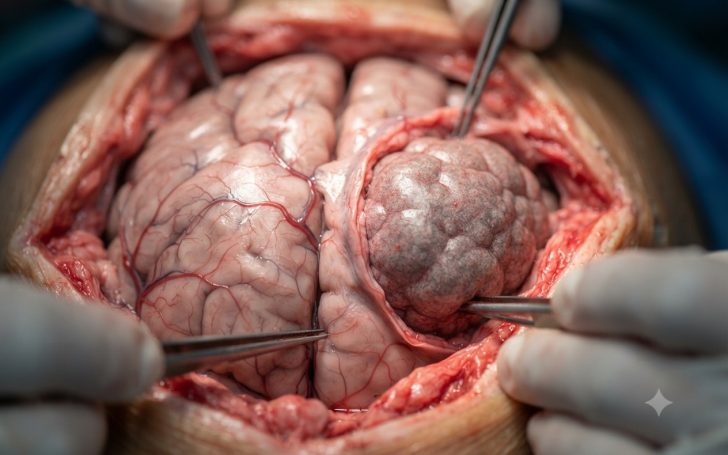
A brain tumor is an abnormal growth of brain cells. Brain tumors that are not cancer are called benign. They grow slowly in the brain.
Is a benign brain tumor dangerous?
In some cases, yes. A benign tumor can slowly get bigger over time and press on brain tissue. This can cause serious symptoms and can even be life-threatening.
What are the types of benign brain tumors?
There are many types of noncancerous brain tumors. They are grouped by the type of brain cell that is affected. Common types include:
- Glioma (a tumor of the supporting cells of the brain)
- Meningioma (a tumor of the membranes that cover the brain)
- Acoustic neuroma (a tumor of the hearing and balance nerve)
- Craniopharyngioma
- Hemangioblastoma (a tumor of blood vessel cells in the brain)
- Pituitary tumor
Brain tumors are also graded from 1 to 4 based on how fast they grow and spread, and how likely they are to come back after treatment. Noncancerous brain tumors are grade 1 or 2, because they tend to grow slowly and are less likely to spread.
How long can someone live with a benign brain tumor?
Life expectancy is different for every person. It depends on many factors, including:
- Age
- Overall health
- The type of tumor
- The size and location of the tumor
- Any complications the tumor causes
- Whether surgery can remove the tumor completely
The overall death rate for benign brain tumors is 5.5%. Outlook varies by tumor type, so ask your doctor what to expect for your specific tumor.
What are the symptoms of a benign brain tumor?
Brain tumors range from very small to very large. If a tumor grows in a part of the brain that has fewer vital functions, you may have no symptoms until the tumor is quite large.
Symptoms also depend on which part of the brain is affected, so they can be different from person to person. They may include:
- A headache that won’t go away
- Seizures
- Constant tiredness, drowsiness, or nausea
- Changes in mood, behavior, or personality
- Muscle weakness or paralysis in one part of the body or on one side
- Numbness or tingling in the face
- Trouble with balance, or dizziness
- Frequent confusion or disorientation
- Vision or speech problems
See a doctor if you have any of these signs. They may not be caused by a tumor, but they should be evaluated carefully.
What causes a benign brain tumor?
Scientists know that brain tumors develop when certain genes in brain cells are damaged and stop working normally. It is not clear why this happens. When the genes change, they tell the cells to grow and multiply faster and to live longer than normal. A tumor then forms.
Who is at higher risk?
Your risk is higher if you:
- Are over 50
- Have a family history of brain tumors
- Have an inherited condition that raises the risk of brain tumors, such as neurofibromatosis type 1, neurofibromatosis type 2, tuberous sclerosis, Turcot syndrome, Li-Fraumeni syndrome, von Hippel-Lindau syndrome, or Gorlin syndrome
- Have had radiation therapy
How is a benign brain tumor diagnosed?
Sometimes a doctor finds a brain tumor by chance, while doing an imaging test for another problem.
If you see a doctor because of symptoms that could point to a brain tumor, the doctor will usually take these steps:
- Ask about your health. This includes your symptoms, past and current health conditions, medicines you take, past surgeries and treatments, and your family medical history.
- Do a neurological exam. The doctor checks for changes in coordination and balance, mental state, vision, and reflexes.
- Scan your brain. If a brain tumor is suspected, you will have a brain scan with contrast dye. This is usually a magnetic resonance imaging (MRI) scan. If that isn’t possible, a computed tomography (CT) scan is used instead.
- Take a biopsy. A sample of the tumor is removed and checked under a microscope to see whether it is benign or malignant (cancerous).
No article can replace advice from a health professional. Always talk to your doctor.
Can a benign brain tumor be treated, and can it come back?
Treatment for noncancerous brain tumors depends on the type and location of the tumor.
Surgery is used to remove most noncancerous brain tumors, and they usually do not come back afterward. In a small number of cases, though, a tumor grows back after surgery or becomes cancerous. Sometimes a tumor is too large, and the surgeon cannot remove all of it without damaging the healthy brain tissue around it. In those cases, the chance that the tumor will return is higher.
What happens during brain tumor surgery?
The surgeon will:
- Give you anesthesia
- Shave the hair on your scalp
- Open a flap of the skull (a bone flap) to reach the tumor
- Remove the tumor
- Fix the bone flap back in place with metal screws
- Close the skin with stitches or staples
What happens after treatment?
After treatment, you may have lasting side effects, such as seizures and trouble speaking or walking. If so, your doctor will recommend supportive care to help you recover or adapt. Supportive care may include medicines to control symptoms, physical therapy, rehabilitation, speech therapy, and occupational therapy.
Many people can return to their normal activities, including work and sports, but it takes time.
Can you prevent a benign brain tumor?
Unfortunately, you cannot prevent a benign brain tumor. You may be able to lower your risk by avoiding environmental risk factors, such as smoking and exposure to radiation.
If a parent, brother, or sister has had a brain tumor, other close family members should see a doctor. The doctor may suggest genetic counseling to find out whether there is an inherited condition linked to brain tumors in the family.
The bottom line
Benign brain tumors make up about two-thirds of all brain tumors. They usually grow slowly and do not spread. Most are removed successfully with surgery and do not come back. If you have symptoms that worry you, see a doctor for an evaluation.
References
Medical disclaimer
FAQHealth content is for informational and educational purposes only. It is not a substitute for professional medical advice, diagnosis, or treatment. Always talk with your doctor or another qualified health professional about any questions you have about a medical condition.