How Dangerous Is Diabetes? Complications and How to Prevent Them
Uncontrolled diabetes can damage your heart, nerves, kidneys and eyes. Learn the main complications and the daily habits that help prevent them.
On this page
Diabetes is a chronic disease that’s becoming more common around the world. It affects millions of people, and if it isn’t well controlled, it can cause serious complications throughout the body. Here’s how diabetes can harm your health — and why keeping it under control matters so much.
What is diabetes?
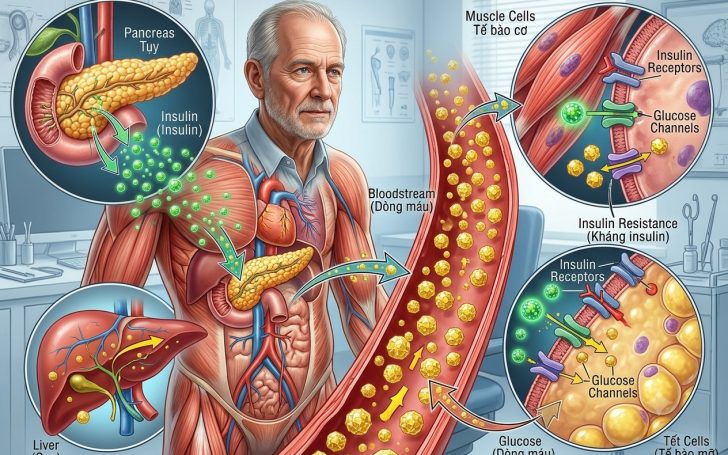
Diabetes is a chronic disease that affects how your body uses sugar (glucose). Glucose is your body’s main source of energy and comes from the food you eat. Insulin — a hormone made by the pancreas — helps glucose move from your blood into your cells. When you have diabetes, your body can’t get glucose into your cells to use for energy, so sugar builds up in your blood.
There are two main types:
- Type 1 diabetes: The body can’t make insulin. It’s most common in children and teens, but it can also start in adults.
- Type 2 diabetes: The body doesn’t use insulin well or doesn’t make enough. This is the most common type.
How dangerous is diabetes?
According to the American Heart Association, people with diabetes are more than twice as likely to develop heart disease, and at least 68% of people with diabetes age 65 and older die from some form of heart disease. People under 65 with diabetes also have a much higher risk of heart attack, stroke, and kidney disease.
1. Long-term complications
When diabetes isn’t treated and controlled over time, one of the biggest dangers is serious long-term complications. Uncontrolled high blood sugar can damage nerves and blood vessels, leading to major health problems in many parts of the body:
- Heart and blood vessels: This is one of the most dangerous effects. People with diabetes have a high risk of coronary artery disease, chest pain (angina), heart failure, high blood pressure, and stroke. Heart disease is the leading cause of death in people with diabetes.
- Nerves (diabetic neuropathy): Diabetes can damage nerves, causing pain, numbness, tingling, and loss of feeling in the hands and feet. Nerve damage in the feet can lead to amputation. Damage to the nerves that control digestion can cause stomach and bowel problems.
- Kidneys: Diabetes can damage the kidneys’ ability to filter waste from the body. This raises the risk of chronic kidney disease and even end-stage kidney failure, which requires dialysis.
- Eyes: Diabetes can damage the blood vessels and nerves in the eyes. Diabetic retinopathy is one of the most common complications and can lead to blindness. Diabetes is a leading cause of blindness in older adults.
2. A weaker immune system
Diabetes can weaken your immune system, making infections more likely. People with diabetes are more prone to skin infections, gum infections, urinary tract infections, and pneumonia. Without prompt treatment, these infections can spread and cause further complications.
3. Effects on mental health
Diabetes is closely linked to mental health. Research shows that people with diabetes have a higher risk of depression and anxiety. The daily work of managing blood sugar — and dealing with complications — can add a lot of stress.
4. Lower quality of life
Because diabetes is lifelong, people often need to follow a careful diet, check their blood sugar every day, and take medication for the rest of their lives. That can make daily life harder and more stressful. Complications and physical limitations can also reduce quality of life.
How to take control of diabetes
The key to lowering the dangers of diabetes is keeping your blood sugar stable. Here’s how:
- Eat a healthy, balanced diet. Choose foods that are high in fiber and low in refined starch, sugar, and fat. Pay attention to calories to maintain a healthy weight and steady blood sugar.
- Exercise regularly. Physical activity improves your body’s sensitivity to insulin, helps control blood sugar, and lowers the risk of complications. It also helps you keep a healthy weight and supports heart health.
- Check your blood sugar regularly. Routine monitoring helps you spot problems early and adjust your treatment with your doctor.
- Follow your treatment plan. Take oral medications or insulin as prescribed, manage your weight, and stick to your eating and exercise plan. Keep up with regular checkups to catch and treat related problems early.
- Learn about your condition. Understanding diabetes helps you manage it and handle complications. Support groups and connecting with others who have diabetes can also offer encouragement.
How to prevent dangerous complications
There’s currently no cure for diabetes, so it requires lifelong management. Controlling blood sugar and preventing complications works best when you combine three approaches — medication, nutrition, and physical activity:
- Medication: Monitor your blood sugar, follow your doctor’s instructions for your medications, and keep your follow-up appointments.
- Nutrition: Focus on whole grains, fish, lean meat, beans, and plant oils such as sesame, olive, and sunflower oil. Eat plenty of vegetables and lower-sugar fruits such as apples, pears, guava, and plums. Limit fruits that raise blood sugar quickly, such as watermelon, lychee, jackfruit, and durian.
- Physical activity: Aim for 30 minutes of activity a day, 3 to 5 days a week, to help control your blood sugar.
- Other habits: Don’t smoke, and avoid alcohol, to lower your risk of complications.
Taking diabetes seriously and keeping your blood sugar in a healthy range are the best ways to prevent complications. With a healthy diet, regular exercise, and consistent treatment, people with diabetes can live long, healthy lives.
References
Medical disclaimer
FAQHealth content is for informational and educational purposes only. It is not a substitute for professional medical advice, diagnosis, or treatment. Always talk with your doctor or another qualified health professional about any questions you have about a medical condition.
Demo content adapted and translated from Hello Bacsi.