Non-Insulin-Dependent Diabetes (Type 2): Treatment, Risks, and Diet
Non-insulin-dependent diabetes is another name for type 2 diabetes. Learn how it is treated, how dangerous it can be, what to eat, and how it is diagnosed.
On this page
- What is non-insulin-dependent diabetes?
- How is non-insulin-dependent diabetes treated?
- Is non-insulin-dependent diabetes dangerous?
- What should you eat with non-insulin-dependent diabetes?
- Can non-insulin-dependent diabetes be cured completely?
- What blood sugar level counts as type 2 diabetes?
- The bottom line
Most people know the terms type 1 diabetes, type 2 diabetes, and gestational diabetes. Far fewer have heard of non-insulin-dependent diabetes, yet it is a very familiar form of the disease.
This guide explains what non-insulin-dependent diabetes is, how it is treated, how dangerous it can be, what to eat, and how it is diagnosed.
What is non-insulin-dependent diabetes?
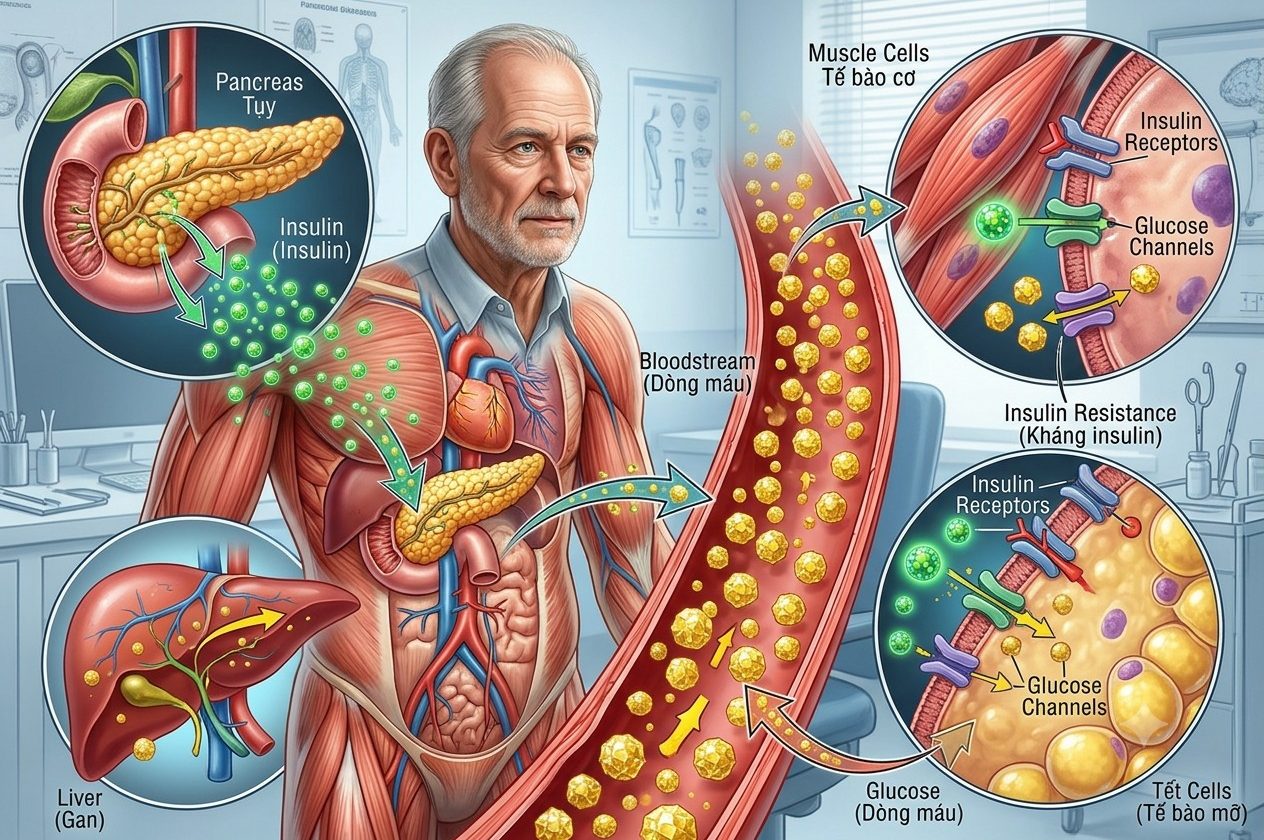
Non-insulin-dependent diabetes, also called type 2 diabetes, is a metabolic disorder marked by insulin resistance and a relative lack of insulin. Together these cause blood sugar to stay high for a long time. The disease usually starts in people who are 40 or older.
The name “non-insulin-dependent” comes from the fact that treatment does not necessarily require insulin injections from outside the body, as it does in type 1 diabetes. Type 2 is the most common type of diabetes, accounting for about 90% to 95% of all people with diabetes.
People with type 2 diabetes can have many different symptoms, and the disease often comes with obesity, high blood fats (such as high cholesterol), and high blood pressure. According to the clinical evidence available, the cause of non-insulin-dependent diabetes is insulin resistance combined with reduced insulin production.
How is non-insulin-dependent diabetes treated?
Managing blood sugar in people with non-insulin-dependent diabetes can include:
- Non-drug measures. Plan your meals to reach a healthy weight, so that carbohydrates make up 50% to 60% of your total daily energy. Limit saturated fat and “bad” cholesterol (mainly from animal products and processed foods), and eat less salt. Your doctor will also guide you in exercising in a way that suits your age and heart health.
- Ongoing blood sugar monitoring. Check your blood sugar at home with a meter, and see your doctor for regular follow-up visits.
- Medicine. If your blood sugar is still high after you have changed your diet and lifestyle as your doctor directed (for example, a fasting level of 7 mmol/L (126 mg/dL) or higher), your doctor will prescribe oral blood sugar-lowering medicine. You may need just one medicine, or a combination of two or more, depending on your situation.
- Insulin injections. Despite the name, some people with non-insulin-dependent diabetes still need insulin. Temporary insulin is used when blood sugar is very high and needs to come down quickly, when you are having surgery, or when you are pregnant. Long-term insulin is used for people who keep having symptoms of high blood sugar, or whose blood sugar stays high despite dieting and taking several kinds of diabetes pills without responding.
If you have other conditions along with diabetes, you may also need medicine to control them. This can include medicine to lower blood fats or blood pressure.
Is non-insulin-dependent diabetes dangerous?
Type 2 diabetes usually develops silently over many years, so most people find out only after complications have appeared. The common ones include numb hands and feet, blurred vision, urine that attracts ants, increased hunger, eating more than usual, frequent urination, tiredness, and weight loss. By then, many organs have been affected by years of high blood sugar.
Non-insulin-dependent (type 2) diabetes can cause many complications if it is not well controlled. They include:
- Diabetic ketoacidosis and hyperosmolar hyperglycemic syndrome, which happen when blood sugar is very high and can be life-threatening
- Low blood sugar (hypoglycemia)
- A risk of heart disease, stroke, high blood pressure, and hardening of the arteries (atherosclerosis)
- Chronic kidney disease, with a risk of needing dialysis or a kidney transplant if severe
- Diabetic retinopathy (eye damage)
- Diabetic foot complications, with a risk of amputation, and many other complications throughout the body
On the other hand, awareness of regular health checkups is growing. Many people now check their blood sugar on their own at health facilities and find high blood sugar early. This helps reduce the number of people with prediabetes who go on to develop true type 2 diabetes and its complications, which lowers how dangerous the disease is.
What should you eat with non-insulin-dependent diabetes?
Having diabetes does not mean you must completely avoid any particular food. You can still enjoy your favorite dishes, with a few tips for planning meals and preparing food in a healthier way.
The general advice for people with diabetes is to choose foods that are low in starch and sugar, low in saturated fat, and high in fiber. Choose foods with a low glycemic index (GI). Give priority to foods such as leafy greens, nonstarchy vegetables, and whole grains.
Within each group of foods (starches, protein, fats, and vitamins), some have a high, medium, or low GI. Foods with a medium or low GI are the safer choices for you.
You also need to get the portions right. The simplest way is to use one plate that holds all the food you eat at a meal. Fill half the plate with vegetables, one quarter with protein, and one quarter with starch. Eat the vegetables and soup first and the starch last. This may help slow how fast sugar is absorbed, so your blood sugar does not spike suddenly after you eat.
Here are some meal ideas for people with non-insulin-dependent diabetes.
Breakfast ideas
You can eat:
- A bowl of whole-grain cereal with unsweetened milk
- Two slices of dark or whole-grain bread spread with olive oil
- A small container of unsweetened yogurt with fruit
- Two slices of avocado with a boiled egg
- A bowl of noodle soup, with the noodles cut down to about 1 cup
Lunch ideas
You can eat:
- Brown rice or sweet potato, plenty of leafy greens, and lean protein such as fish, lean meat, or chicken breast
- A regular lunch, with the rice reduced to 1 cup or less
- A sandwich with a chicken or tuna salad and plenty of vegetables
- A small plate of pasta salad
- Soup
- A salmon or tuna steak with a salad
Dinner ideas
You can eat:
- A regular dinner, with the rice reduced to 1 cup or less
- Roasted chicken with the skin removed, with vegetables and one potato
- Stir-fried beef with vegetables and brown rice
- Corn tortillas and a salad
- Salmon and vegetables with whole-wheat pasta
- Curry with mung beans and brown rice
Besides the 3 main meals, you can eat low- or medium-GI fruits in moderate amounts to get plenty of vitamins and minerals.
People with type 2 diabetes should limit snacking beyond the 3 main meals, but can have an extra small meal if they feel hungry. Options include a small container of unsweetened yogurt, nuts, low-sugar fruit, or diet snacks made for people with diabetes.
Can non-insulin-dependent diabetes be cured completely?
Non-insulin-dependent diabetes (type 2 diabetes) cannot be cured completely or permanently. It can, however, be kept under stable control or put into remission. This lets people with the disease live healthy lives and minimize complications.
What blood sugar level counts as type 2 diabetes?
According to standard diagnostic criteria, a person is diagnosed with type 2 diabetes when they meet one of the following:
- Fasting blood sugar (no food for at least 8 hours): 126 mg/dL or higher (7 mmol/L or higher) on 2 tests.
- HbA1c (your average blood sugar over the past 2 to 3 months): 6.5% or higher (48 mmol/mol).
- Oral glucose tolerance test (2 hours after drinking 75 g of glucose): 200 mg/dL or higher (11.1 mmol/L or higher).
- Random blood sugar (taken at any time): 200 mg/dL or higher (11.1 mmol/L) along with clear symptoms of high blood sugar (a lot of thirst, frequent urination, and unexplained weight loss).
The bottom line
Non-insulin-dependent diabetes is not an unfamiliar disease. It is simply another name for type 2 diabetes, and it can be much less dangerous when it is kept well controlled. Follow the principles of treatment, eat with discipline, exercise, keep your follow-up appointments, and take your medicine as prescribed to stay healthy.
References
- I have type 2 diabetes – what can I eat? — Diabetes UK
- Non-insulin-dependent (type II) diabetes mellitus — PubMed Central
- Non Insulin Dependent Diabetes Mellitus — ScienceDirect Topics
- Type II (Non-Insulin Dependent) Diabetes (NIDDM) — Children's Hospital of Pittsburgh
- Type 2 diabetes — Diagnosis and treatment — Mayo Clinic
Medical disclaimer
FAQHealth content is for informational and educational purposes only. It is not a substitute for professional medical advice, diagnosis, or treatment. Always talk with your doctor or another qualified health professional about any questions you have about a medical condition.