Type 1, Type 2 and “Type 3” Diabetes: What’s the Difference?
How type 1, type 2 and so-called type 3 diabetes differ in causes, symptoms and treatment — and why no type is simply the 'worst' one.
Diabetes is a chronic disease that needs lifelong management. Because there are several types — each with its own features — treatment differs, too. So what are type 1, type 2, and “type 3” diabetes? How do you tell them apart? And is one type more serious than the others?
How many types of diabetes are there?
The types doctors see most often are type 1, type 2, and gestational diabetes (diabetes that develops during pregnancy). Some scientists also use the term “type 3 diabetes” for a special form of insulin resistance, which we explain below.
Type 1 diabetes
Type 1 diabetes is an autoimmune disease: the immune system attacks the beta cells in the pancreas, so the body can’t make insulin. It’s sometimes called insulin-dependent diabetes.
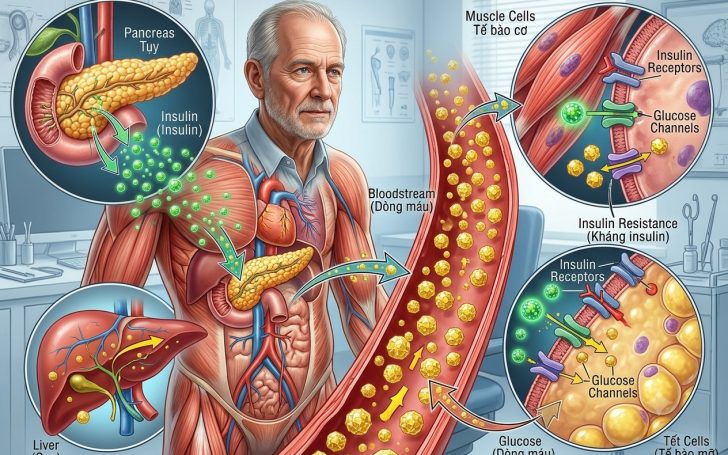
- How it works: The pancreas makes very little or no insulin. Your body uses the hormone insulin to move sugar (glucose) from the blood into cells for energy. Without insulin, glucose builds up in the blood and blood sugar rises.
- Causes: The exact cause isn’t known. The immune system — which normally fights harmful bacteria and viruses — mistakenly destroys the insulin-producing cells in the pancreas. Genetics and exposure to certain viruses may also play a role.
- Symptoms: These often appear suddenly and strongly. They can include constant thirst, frequent urination, bedwetting in children, intense hunger, unexplained weight loss, irritability or mood changes, fatigue, and blurred vision.
- Who gets it: It usually starts in children or teens, but it can also appear in adults.
- Treatment: Insulin is required, along with changes to diet and lifestyle.
- Prevention: There’s currently no way to prevent type 1 diabetes.
Type 2 diabetes
Type 2 diabetes is a chronic condition that happens when the body doesn’t use insulin effectively (insulin resistance) or the pancreas can’t make enough insulin to keep blood sugar steady. It’s the most common form, accounting for about 80% to 90% of all diabetes cases. It’s sometimes called non-insulin-dependent diabetes.
- How it works: At first, the pancreas makes insulin normally, but the cells don’t respond to it well. Glucose builds up in the blood, so the pancreas works harder to make more insulin. Over time, the pancreas wears out and can’t keep up. In people who’ve had type 2 diabetes for many years, high blood sugar comes from both not enough insulin and insulin resistance.
- Causes: The exact cause isn’t clear, but being overweight and inactive are major risk factors.
- Symptoms: These usually develop slowly, so many people have type 2 diabetes for years without knowing it. When symptoms appear, they can include thirst, hunger, frequent urination, unexplained weight loss, fatigue, blurred vision, slow-healing sores, frequent infections, tingling or numbness in the hands or feet, and patches of darker skin (often in body folds like the armpits and neck).
- Who gets it: It’s more common in older adults, but as childhood obesity rises, more young people are being diagnosed.
- Treatment: Not everyone with type 2 diabetes needs insulin. Depending on your situation, your doctor may start with diet and exercise. If that isn’t enough, you may be prescribed oral diabetes medication, sometimes combined with insulin.
- Prevention: Type 2 diabetes can often be prevented with a healthy lifestyle: eat a diet lower in fat and calories and high in fiber, get at least 150 minutes of exercise a week, lose weight if you’re overweight, and avoid sitting for long periods.
What is “type 3 diabetes”?
In 2008, researchers at Brown University proposed the term “type 3 diabetes” to describe insulin resistance in the brain of people with Alzheimer’s disease.
However, this is a research concept, not an official classification recognized by major medical organizations. There are no specific diagnostic criteria or treatment guidelines for “type 3.”
- How it works: The brain can’t use insulin properly, which is linked to Alzheimer’s disease. It’s associated with a long history of poorly controlled type 2 diabetes.
- Effects: Brain cells become damaged, leading to memory loss and declines in thinking and coordination.
- Symptoms: Memory loss, forgetfulness, confusion, behavior changes, depression or mood swings, and progressive signs of dementia in middle-aged and older adults.
- Treatment: There’s no specific treatment. Care focuses on lowering the risk of progressing to Alzheimer’s.
- Prevention: Keep blood sugar stable and protect your brain health.
Some sources also use “type 3” for diabetes with other specific causes, such as genetic defects in insulin-producing beta cells or in how insulin works, diseases of the pancreas, hormone (endocrine) disorders, diabetes caused by medications or chemicals, infections, uncommon immune-related forms, and other genetic syndromes.
Type 1 vs. type 2 vs. type 3 at a glance
| Type 1 | Type 2 | “Type 3” | |
|---|---|---|---|
| Main risk | The pancreas makes no insulin, which can quickly lead to life-threatening ketoacidosis without treatment. | Progresses silently and can cause long-term heart, kidney, and nerve complications if ignored. | Linked to brain cell damage, dementia, and Alzheimer’s disease. |
| Key feature | Requires lifelong insulin from diagnosis. | Can often be managed early with lifestyle changes and oral medication, but early-onset or long-standing type 2 can be serious. | Lower insulin activity in the brain affects nerve cells and thinking. |
Which type of diabetes is the most serious?
No single type is the “worst.” How dangerous diabetes becomes depends on how well blood sugar is controlled and whether complications develop.
Each type has different causes, features, and treatments. Whatever the type, anyone whose diabetes isn’t caught early and well controlled is at risk.
Acute (sudden) complications include:
- Diabetic ketoacidosis (DKA): More common in type 1. Without enough insulin to move sugar into cells, the liver breaks down fat for energy and produces acids called ketones. When ketones build up too fast, they become dangerous.
- Hyperosmolar hyperglycemic state (HHS): More common in type 2. It happens when blood sugar is extremely high (usually above 600 mg/dL) and the body becomes severely dehydrated. It’s life-threatening.
- Low blood sugar (hypoglycemia).
Long-term complications include:
- Diabetic retinopathy (eye damage)
- Loss of feeling and slow-healing sores on the feet — in some cases leading to amputation
- Heart attack and stroke, because diabetes damages blood vessels
- Kidney disease
- Nerve damage
- Dental and gum problems
- A higher risk of some cancers
- Sexual problems in both men and women
Never take diabetes lightly. Whatever the type, poorly controlled blood sugar can lead to serious complications. Follow your doctor’s advice and build healthy habits to protect yourself, starting today.
References
Medical disclaimer
FAQHealth content is for informational and educational purposes only. It is not a substitute for professional medical advice, diagnosis, or treatment. Always talk with your doctor or another qualified health professional about any questions you have about a medical condition.
Demo content adapted and translated from Hello Bacsi.