Diabetes Symptoms in Young Adults: Early Signs Not to Ignore
Diabetes is no longer just a middle-age disease. Learn the early signs in teens and young adults, how it's diagnosed, and how to lower your risk.
On this page
Diabetes can develop at any age. In the past, most people were diagnosed in middle age — but today, more and more young people have it. Knowing the early symptoms can help you get checked and treated sooner.
Which types of diabetes affect young people?
Your pancreas makes a hormone called insulin, which moves glucose (sugar) from your blood into your cells, where it’s turned into energy. Diabetes happens when your body can’t use the glucose from food for energy. Instead, the glucose stays in your blood and your blood sugar rises.
- Type 1 diabetes: The pancreas doesn’t make enough insulin for the body’s needs. It’s an autoimmune disease — the immune system mistakenly attacks the pancreas and damages the cells that make insulin. It almost always starts in children and young adults.
- Type 2 diabetes: Insulin doesn’t work well and can’t move glucose into cells. At first, the pancreas works harder to make extra insulin, but over time it wears out. Type 2 is most common in middle age, but more young adults — and even children — are developing it. The exact cause in young people isn’t clear, but several factors raise the risk.
- Gestational diabetes: This happens during pregnancy, when hormones made by the body make insulin less effective.
What are the symptoms of diabetes in young adults?
Common symptoms
Symptoms of both type 1 and type 2 diabetes in young people include:
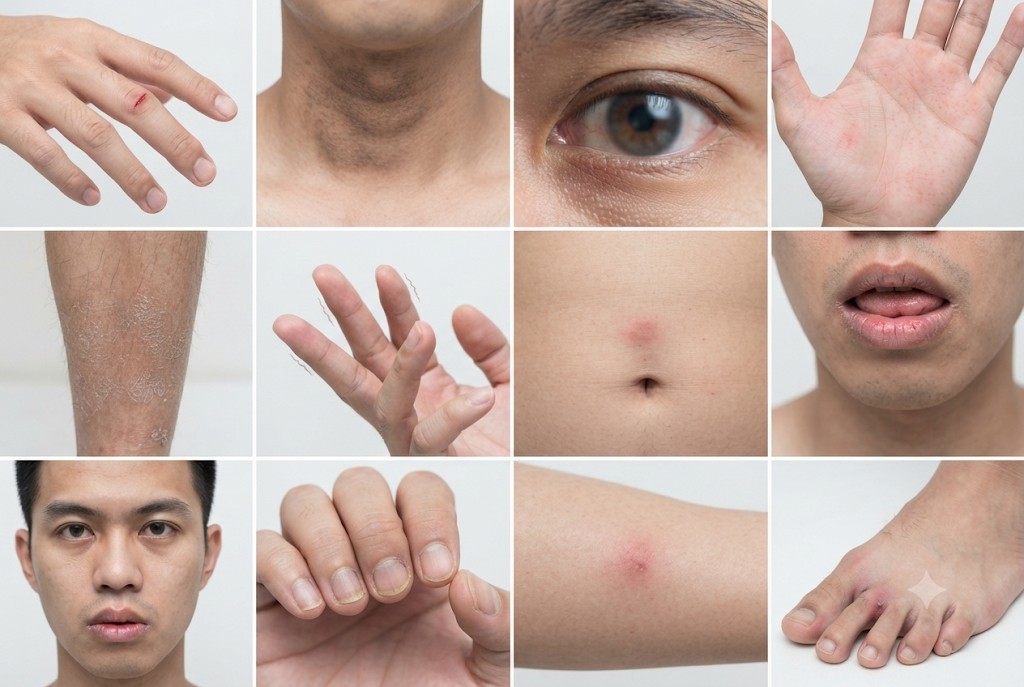
- Urinating more than usual, as your body tries to get rid of extra sugar through urine
- Feeling very thirsty and drinking more to replace lost fluids
- Eating more, because your body keeps signaling that it can’t get energy from sugar
- Fatigue, because your cells are starved for energy
- Weight changes — people with type 1 often lose weight without trying, while most people with type 2 gradually gain weight
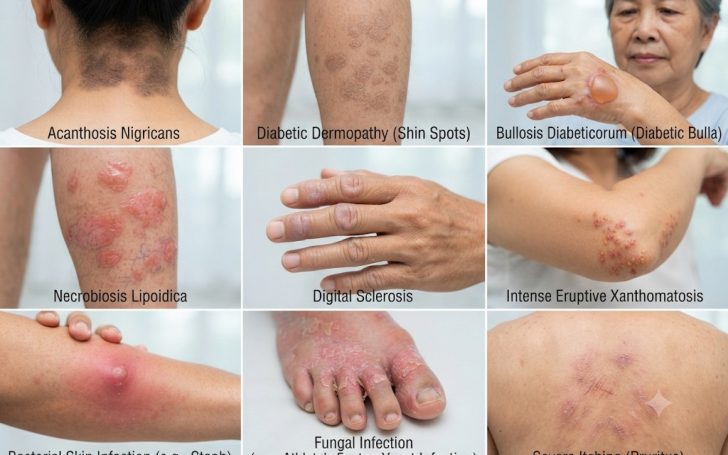
- Slow-healing cuts or sores
- Itchy skin or frequent skin infections
- Blurred vision
- Patches of darker skin, most often around the neck, armpits, and groin
These symptoms can occur at any age, and everyone is different. You may have other signs, or none at all. Still, the four most common signs in young people are extreme thirst, frequent urination, fatigue, and weight loss.
How symptoms differ by type
- Type 1: Symptoms in children and young adults usually appear suddenly and strongly, getting worse over just a few weeks or months. You may also have nausea, vomiting, or stomach pain.
- Type 2: When blood sugar first starts to rise, there may be no symptoms at all — or only mild ones that develop slowly over a long time. By the time the symptoms above appear, many people have had diabetes for years.
- Gestational diabetes: Usually causes no symptoms and is found during routine screening between weeks 24 and 28 of pregnancy.
When should you get checked?
See a doctor:
- For regular checkups that include a blood sugar test
- If you have any of the symptoms above
- If you’re concerned about your risk of type 2 diabetes — for example, if you have a family history, aren’t very active, have overweight or obesity (especially a large waistline), or have high blood pressure
Early diagnosis and treatment lower your risk of serious complications.
How is diabetes diagnosed?
Diabetes is diagnosed with blood tests that measure your glucose level, such as:
- Fasting blood sugar test: Measured in the morning after not eating or drinking anything except water for 8 hours.
- Oral glucose tolerance test (OGTT): You drink a sugary solution, and your blood sugar is measured 1 to 2 hours later.
- A1C test: Shows your average blood sugar over the past 2 to 3 months.
How to lower your risk
There’s currently no way to prevent type 1 diabetes, but you can delay or prevent type 2 diabetes by building these healthy habits:
- Eat well:
- Get plenty of vitamins and fiber from fresh vegetables and fruit.
- Choose lean proteins such as fish, lean meat, skinless poultry, and beans.
- Get healthy fats from plant oils and nuts.
- Limit animal fats and processed foods.
- Cut back on sugar and salt.
- Keep a healthy weight, and lose weight if you have overweight or obesity.
- Be physically active on a regular basis.
Pay attention to the signs above, and get your blood sugar tested regularly — especially if you’re at higher risk.
References
Medical disclaimer
FAQHealth content is for informational and educational purposes only. It is not a substitute for professional medical advice, diagnosis, or treatment. Always talk with your doctor or another qualified health professional about any questions you have about a medical condition.
Demo content adapted and translated from Hello Bacsi.