Can H. Pylori Be Cured? Treatment, Causes and Recovery
H. pylori is one of the most common chronic infections, but it can be cured. Learn how treatment works, how it spreads, and how to support your stomach.
On this page
Helicobacter pylori (H. pylori) is a bacterium that causes one of the most common chronic infections in people, and it’s a frequent cause of stomach problems. One of the first questions people ask after a positive test is: Can H. pylori be cured? Here’s what the research says — and how to take care of your stomach along the way.
Can H. pylori be cured?
The good news: H. pylori infection can be cured with modern medical treatment. Although the bacteria survive the stomach’s harsh acid by releasing enzymes that neutralize it, very effective treatments are available.
Treatment usually involves a course of medication lasting about 14 days. To fully clear the bacteria, doctors typically prescribe at least two different antibiotics together with a proton pump inhibitor (PPI) to reduce stomach acid. Combining antibiotics helps prevent the bacteria from becoming resistant. Common antibiotics include amoxicillin, clarithromycin, metronidazole, and tetracycline.
The key to a full cure is taking your medication exactly as prescribed — the right dose, at the right times — and finishing the entire course, even if your symptoms improve. Stopping early can leave some bacteria alive and help them develop antibiotic resistance, which makes future treatment harder.
At least 4 weeks after you finish treatment, you’ll need a follow-up test (such as a breath test or stool test) to confirm the infection is gone. Once treatment succeeds, the chance of getting reinfected as an adult is very low.
What causes H. pylori infection?
H. pylori is a spiral-shaped bacterium that spreads mainly from person to person. Knowing how it spreads is the best way to protect yourself and your family.
- Mouth to mouth: This is the most common route. H. pylori is found in saliva and dental plaque, so kissing, sharing toothbrushes, and other close contact can spread it.
- Stool to mouth: The bacteria are also found in the stool of infected people. If hands aren’t washed well after using the bathroom, the bacteria can spread to food, water, or surfaces — and then into someone else’s mouth.
- Contaminated food and water: In places with poor sanitation or untreated water, H. pylori can survive and cause infection through eating and drinking.
- Family contact: Most people get H. pylori in childhood, when the immune system is still developing. It often spreads between family members who live in close contact.
Crowded living conditions, lack of clean water, and poor sanitation all raise the risk of infection.
Can sharing utensils at restaurants spread H. pylori?
Yes. Sharing utensils — chopsticks, spoons, bowls, or glasses — is one possible way H. pylori spreads through saliva. At restaurants with poor hygiene, utensils that aren’t properly washed with soap or sanitized between uses could carry bacteria from one person to the next.
Because H. pylori is so common, you’re likely to come into contact with it in busy public places. To protect yourself, choose restaurants with good hygiene practices, and avoid sharing utensils when eating with others.
Lifestyle tips to support H. pylori treatment
Antibiotics are what clear the infection, but healthy habits can soothe your irritated stomach lining, ease symptoms, and help ulcers heal.
1. Adjust your diet
- Avoid spicy foods (such as hot peppers and mustard), which can worsen inflammation.
- Limit fatty and fried foods, which slow digestion and keep food in your stomach longer.
- Be careful with very acidic foods, such as oranges, lemons, and other citrus fruits, if they cause stomach pain or heartburn.
2. Eat smaller meals. Have several small meals throughout the day instead of large ones to reduce pressure on your stomach.
3. Avoid irritants
- Alcohol and caffeinated drinks (coffee, strong tea, soda) can increase stomach acid and irritate an inflamed stomach lining.
- Quit smoking. Smoking slows healing of the stomach lining and raises the risk of complications.
- Manage stress and sleep. Getting enough sleep and staying relaxed help your body recover and can reduce nausea and stomach pain.
- Be careful with pain relievers. Avoid nonsteroidal anti-inflammatory drugs (NSAIDs) such as aspirin or ibuprofen unless your doctor says otherwise, because they raise the risk of stomach ulcers.
The bottom line
H. pylori is common, but it can be controlled and fully cured if it’s found early and you follow your treatment plan carefully. Treatment doesn’t just relieve stomach pain and indigestion — it also helps protect you from stomach cancer in the future.
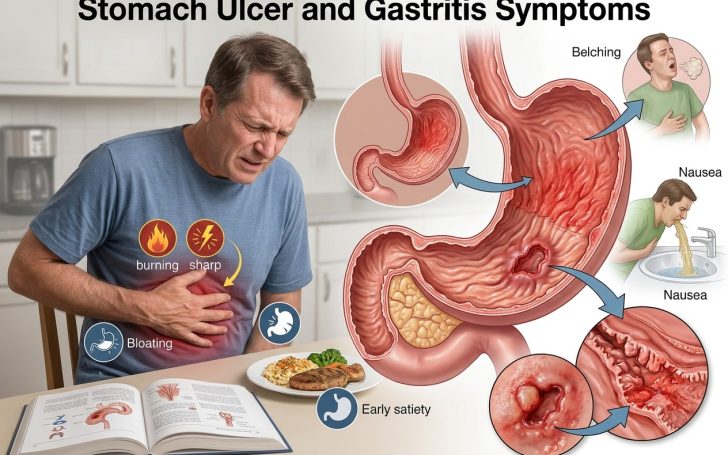
If you often have burning pain in your upper abdomen or bloating, or you have a family history of stomach cancer, see a gastroenterologist to get tested for H. pylori.
References
Medical disclaimer
FAQHealth content is for informational and educational purposes only. It is not a substitute for professional medical advice, diagnosis, or treatment. Always talk with your doctor or another qualified health professional about any questions you have about a medical condition.
Demo content adapted and translated from Hello Bacsi.