5 Common Causes of Stomach Ulcers and How to Prevent Them
Stomach ulcers are most often caused by H. pylori infection or NSAID pain relievers. Learn the common causes, risk factors, and ways to prevent them.
On this page
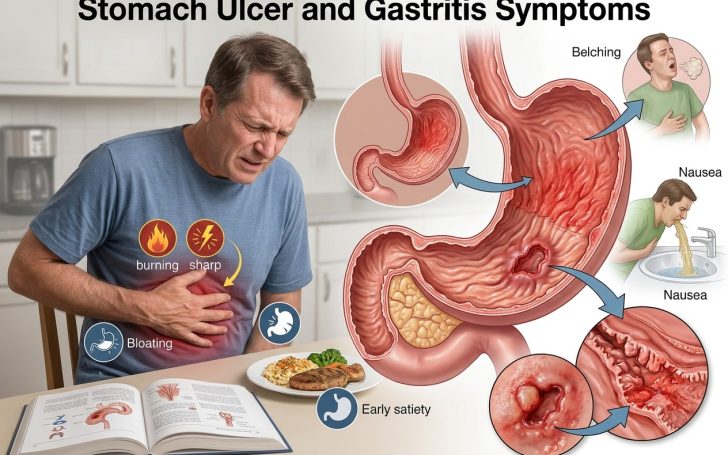
A stomach ulcer forms when there is an imbalance between the digestive juices the stomach produces and the factors that protect the stomach lining. Typical symptoms of gastritis and stomach ulcers include stomach pain or discomfort, indigestion, feeling full quickly, bloating, and belching.
About 5% to 10% of the world’s population has gastritis or a stomach ulcer, and new cases rise by about 0.1% to 0.3% each year. Knowing the causes of stomach ulcers helps you take steps to prevent them. This guide covers the five most common causes and how to lower your risk.
What causes stomach ulcers?
H. pylori infection is the leading cause
Why does the stomach become inflamed? Helicobacter pylori (H. pylori) is a gram-negative, rod-shaped bacterium found in the layer of mucus that covers and protects the tissue lining the stomach and small intestine. Usually, H. pylori causes no problems. But it can grow out of control and cause long-term inflammation of the inside lining of the stomach, which can eventually lead to an ulcer.
This is the most common cause of stomach ulcers. About 40% to 70% of stomach ulcers and at least 60% to 90% of duodenal ulcers (ulcers in the first part of the small intestine) are linked to H. pylori.
There is no firm evidence yet on exactly how H. pylori spreads. Researchers think the bacteria can pass from one person to another through contact with the vomit, stool, or saliva of an infected person. Food or water contaminated with an infected person’s vomit, stool, or saliva can also spread the bacteria.
Infections with certain other viruses, fungi, or bacteria can also cause stomach pain, but this is less common.
Overuse of NSAIDs
Nonsteroidal anti-inflammatory drugs (NSAIDs), such as aspirin, ibuprofen, and naproxen, are the second most common cause of stomach ulcers after H. pylori infection. Up to 50% of stomach ulcers are caused by NSAID overuse.
NSAIDs contribute to ulcers in more than one way. They irritate the stomach lining on contact, and they block some of the chemicals that protect it.
Normally, the body makes substances called prostaglandins that protect the stomach lining. NSAIDs block the production of prostaglandins by blocking an enzyme called COX-1. This lowers the production of mucus and stomach bicarbonate and reduces blood flow to the lining. As a result, the lining is more easily damaged, irritated, and ulcerated.
You are at higher risk of an NSAID-related stomach ulcer if you take:
- NSAIDs for a long time
- NSAIDs that are more likely to cause ulcers
- High doses of NSAIDs, or more than one NSAID at the same time
- NSAIDs together with other medicines that raise the risk of ulcers
- NSAIDs while also infected with H. pylori
Other medicines linked to stomach ulcers
Besides NSAIDs, some other medicines can raise the risk of a stomach ulcer, including:
- Corticosteroids
- Bisphosphonates used to treat osteoporosis (alendronate, risedronate)
- Potassium chloride
- Fluorouracil
- Antiplatelet drugs (aspirin, clopidogrel)
- Selective serotonin reuptake inhibitors (SSRIs)
- Some other antidepressants
The risk goes up when these medicines are taken together with NSAIDs.
Some surgeries or medical procedures that affect the stomach can also cause stomach pain, but this is very rare.
Other medical conditions
You are more likely to develop a stomach ulcer if you have any of the following:
- Diseases that can affect the stomach, such as cancer or Crohn’s disease
- An injury, blocked blood vessels, or reduced blood supply to the stomach or duodenum
- A life-threatening condition that requires intensive care
- Severe physical stress, such as a life-threatening illness, burns, or a major injury that requires intensive care. Physical stress changes the body’s pH balance and raises stomach acid. Stress ulcers develop very quickly in response to stress, unlike ordinary stomach ulcers, which develop gradually.
- A serious chronic disease, such as cirrhosis or chronic obstructive pulmonary disease (COPD)
- Zollinger-Ellison syndrome, a rare condition in which one or more tumors cause the stomach to make too much acid
Lifestyle factors
You may also raise your risk of a stomach ulcer if you have any of these risk factors:
- Smoking: Smoking can raise the risk of stomach and duodenal ulcers in people infected with H. pylori.
- Drinking alcohol: Alcohol can irritate and erode the stomach lining, and it increases the amount of stomach acid the body produces.
- Untreated stress.
These factors do not cause ulcers on their own, but they can make an ulcer worse and harder to heal. Emotional stress and spicy food do not directly cause ulcers either, but they can make an existing ulcer worse.
Ulcers with no known cause
In a few cases, doctors cannot find the cause of an ulcer in the stomach or duodenum. Ulcers with no known cause are called idiopathic ulcers.
How can you prevent stomach ulcers?
You can lower your risk of a stomach ulcer with the following steps:
- Protect yourself from infection. H. pylori infection is the main cause of stomach and duodenal ulcers. To lower your risk of getting or catching H. pylori again, wash your hands often with soap, eat food that is fully cooked, keep eating utensils clean, and avoid sharing spoons, chopsticks, and other utensils.
- Be careful with pain relievers. If you use pain relievers often, a few steps can reduce their effect on your stomach:
- Take the medicine with a meal or right after eating.
- Talk to your doctor about finding the lowest dose that works. Avoid alcohol while taking these medicines, because the two together can raise the risk of stomach pain.
- If you need to use NSAIDs, ask your doctor about also taking a medicine that protects the stomach, such as an antacid, a proton pump inhibitor, an H2 blocker (histamine H2 receptor antagonist), or a mucosal protectant. Ask your doctor whether switching to an NSAID that selectively blocks COX-2 might be an option, because these may be less likely to cause stomach ulcers.
- Be careful with other medicines that raise the risk of ulcers. Take them exactly as your doctor prescribes.
- Follow a healthy diet and lifestyle. Eat soft, easy-to-digest foods. Limit stimulants such as tobacco and alcohol. Cut back on fried and salty foods. Avoid very spicy seasonings, and avoid food that is very hot, very cold, or very sour. Eat more dark green vegetables, such as cabbage, mustard greens, and asparagus, which are rich in vitamins A, C, and K, iron, and other nutrients.
When should you see a doctor?
The terms gastritis and stomach ulcer are often used together because inflammation and ulcers of the stomach commonly go hand in hand. Gastritis can be an early sign of a stomach ulcer, it has similar causes, and the symptoms overlap.
Both gastritis and stomach ulcers can cause stomach pain (in the upper abdomen, between the navel and the breastbone) along with other symptoms such as indigestion, bloating, and nausea. Pain from an ulcer is usually felt in one specific spot. However, some ulcers cause no symptoms, and a person may not feel anything until a complication develops. For this reason, see a doctor if you have any symptoms of gastritis or a stomach ulcer.
The bottom line
The most common cause of stomach ulcers is H. pylori infection, followed by NSAIDs. Ulcers caused by other medicines or other medical conditions are rare. Smoking and drinking alcohol can also contribute to ulcers. Emotional stress and spicy food do not directly cause ulcers, but they can make an ulcer worse.
References
Medical disclaimer
FAQHealth content is for informational and educational purposes only. It is not a substitute for professional medical advice, diagnosis, or treatment. Always talk with your doctor or another qualified health professional about any questions you have about a medical condition.