Stomach Bleeding: Symptoms, Causes, and Treatment
Stomach bleeding can cause black stools, vomiting blood, and anemia. Learn the causes, warning signs, how it is diagnosed and treated, and how to prevent it.
On this page
- What is stomach bleeding?
- Is stomach bleeding dangerous?
- What are the symptoms of stomach bleeding?
- What causes stomach bleeding?
- How is stomach bleeding diagnosed?
- Can stomach bleeding be treated?
- How long does it take to recover from stomach bleeding?
- What can you do at home while you heal?
- How can you prevent stomach bleeding?
- The bottom line
Stomach bleeding is one of the problems that can affect the upper digestive tract, which includes the esophagus, the stomach, and the first part of the small intestine (the duodenum). Doctors suspect it when a person vomits blood, has black or bloody stools, has belly pain, or shows signs of anemia such as fatigue and pale skin. The exact spot of the bleeding can only be found with medical tests.
This guide covers what stomach bleeding is, its symptoms and causes, how it is diagnosed and treated, and how to lower your risk.
What is stomach bleeding?
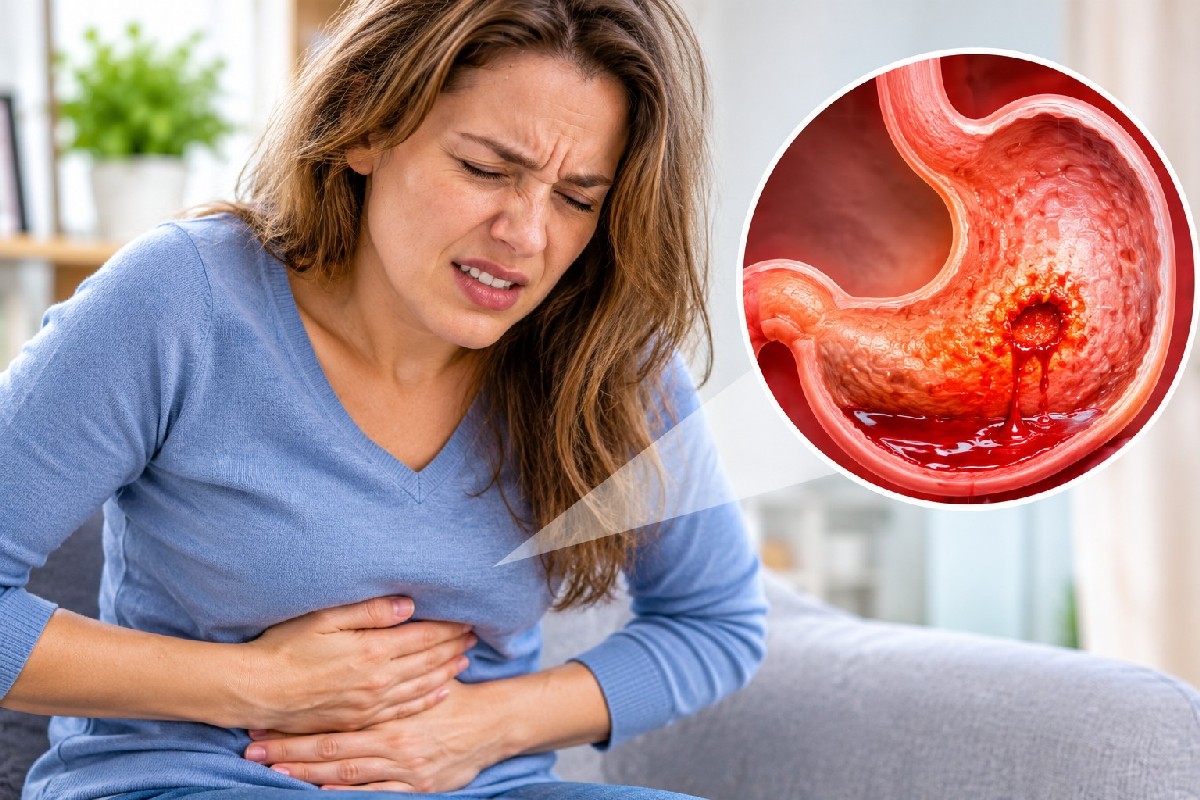
Stomach bleeding is damage in the stomach that causes it to bleed. Because the stomach is part of the upper digestive tract, it is counted as a type of upper gastrointestinal (GI) bleeding, along with bleeding in the esophagus and the duodenum.
The signs of stomach bleeding look like the signs of GI bleeding in general. You cannot tell where the blood is coming from on your own, so you need to see a doctor. The doctor will use tests to find out whether the damage is in the stomach or somewhere else, and then choose the right treatment.
Is stomach bleeding dangerous?
Stomach bleeding may or may not be serious, depending on how much blood is lost and what is causing it. Possible complications include anemia, shock, and death.
Heavy bleeding is extremely dangerous and needs emergency care right away. Even a small amount of bleeding that goes on for a long time can add up to a significant blood loss and cause serious health problems. That is why it is so important to find the source of the bleeding and stop it quickly.
What are the symptoms of stomach bleeding?
The symptoms depend on where the bleeding is and how severe it is. Sometimes the amount of blood lost is so small that you cannot see it, and the only sign is anemia on a blood test. Signs you may notice include:
- Belly pain
- Dark red or black stools, which are a sign of blood in the stool
- Vomiting blood, or vomit that looks like coffee grounds
If bleeding goes on for a long time, you may have signs of anemia, such as:
- Pale skin
- Chest pain
- Shortness of breath
- Weakness and fatigue
Acute (sudden) stomach bleeding comes on quickly and is often severe. Call 911 (or your local emergency number) right away if you notice:
- Dizziness or fainting (passing out)
- Very little urine
- A rapid pulse or a pounding heartbeat
- Signs of shock. Shock happens when not enough blood reaches the organs. Signs include cold, pale skin, nausea or vomiting, gray or bluish lips or fingernails, changes in mental state or behavior (anxiety or agitation), and enlarged pupils.
If you or someone else has signs of shock, call 911 (or your local emergency number) and get medical help right away. If you vomit blood, see blood in your stool, or have black stools, see a doctor right away. If you notice any other sign of GI bleeding, make an appointment with a doctor as soon as possible for diagnosis and treatment.
What causes stomach bleeding?
Problems that affect the stomach and can lead to bleeding include:
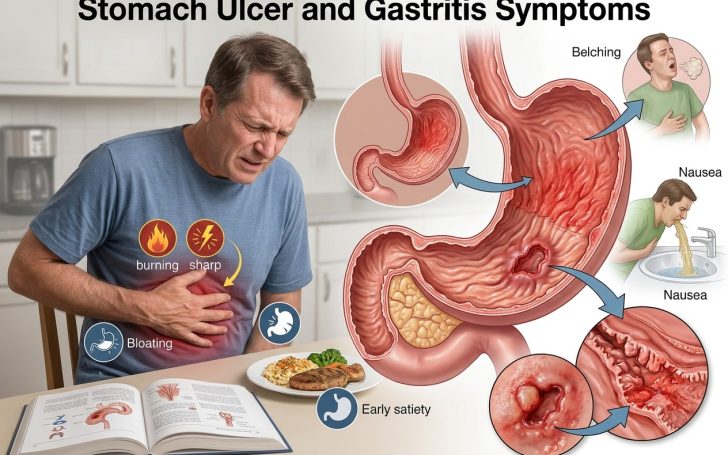
- Stomach ulcer: This is the most common cause of upper GI bleeding. A stomach ulcer is an open sore that forms in the inner lining of the stomach. H. pylori bacteria, or certain pain relievers such as ibuprofen or aspirin, allow stomach acid to damage the lining and create the sore.
- Esophagitis: This is inflammation of the esophagus, which is often caused by gastroesophageal reflux disease (GERD).
- Gastritis: This is redness and swelling of the stomach lining. It can be caused by drinking too much alcohol, by certain medicines, or by smoking. Severe gastritis can lead to bleeding and sores in the stomach lining.
- Esophageal varices: These are enlarged veins in the esophagus. They happen most often in people with severe liver disease, most commonly from heavy alcohol use.
- Mallory-Weiss syndrome: This is a tear in the lining of the area where the esophagus meets the stomach. It can cause light or heavy bleeding and happens after a lot of vomiting, especially forceful vomiting of food.
- Abnormal blood vessels: Sometimes abnormal blood vessels, such as arteries and veins that bleed a small amount, can lead to bleeding.
- Crohn’s disease: This is a chronic autoimmune condition that causes inflammation and irritation of the digestive tract. It most often affects the small and large intestines but can develop anywhere, including in the stomach.
- Tumors or stomach cancer: Bleeding can be caused by cancer or an abnormal growth that invades the upper digestive tract. This is rare.
How is stomach bleeding diagnosed?
If you have warning signs, see a doctor so the exact spot of the bleeding can be found, because the symptoms of GI bleeding are all similar. The doctor will first ask about your medical history, your symptoms, your daily habits and diet, and the medicines you take, and will give you a physical exam. The doctor may then suggest tests such as:
- Blood tests
- Stool tests
- Nasogastric lavage (flushing the stomach through a tube passed through the nose)
- Colonoscopy
- Angiography (an imaging test of the arteries)
- Imaging tests, such as an X-ray or a CT scan of the abdomen
Can stomach bleeding be treated?
GI bleeding often stops on its own. If the bleeding is severe and needs treatment, the doctor may give you a proton pump inhibitor (PPI) through a vein (by injection) to reduce stomach acid. Once the source of the bleeding is found, the doctor will decide whether you need to keep taking a PPI.
Depending on the risk that the bleeding will continue and how severe it is, the doctor may consider giving fluids or a blood transfusion through a vein. If you take medicines such as warfarin, aspirin, or nonsteroidal anti-inflammatory drugs (NSAIDs), the doctor may ask you to stop taking them. Ask your doctor before stopping any medicine you take regularly.
Do you need surgery for stomach bleeding?
When a person has severe acute bleeding or bleeding that does not stop, the doctor may need to perform endoscopy or endoscopic surgery to remove an abnormal growth (such as a polyp) and stop the bleeding.
How long does it take to recover from stomach bleeding?
Most people recover fully. How long recovery takes depends on the cause and on when the bleeding is diagnosed and treated. Minor damage can heal fairly quickly, but severe bleeding can take longer to heal. For example, people who bleed from a stomach ulcer may need several months to heal completely.
What can you do at home while you heal?
While the damage heals, you can lower the risk of bleeding again by making lifestyle changes such as:
- Avoid medicines that can cause bleeding, if possible.
- Treat the cause of the ulcer, such as an H. pylori infection.
- Reduce stress by relaxing, meditating, or practicing deep breathing.
- Stay active and eat a balanced diet to keep a healthy weight.
- Watch for signs of GI bleeding so you can catch and manage it early.
These steps do not replace medical care. Keep following your doctor’s treatment plan.
How can you prevent stomach bleeding?
Steps that can help you avoid stomach bleeding include:
- Use NSAIDs and aspirin only when you need them.
- Limit alcohol.
- Quit smoking.
- Keep symptoms of digestive conditions, such as diverticulitis and GERD, well controlled.
- Get checked for infections such as H. pylori if you are at risk of an ulcer.
The bottom line
Stomach bleeding cannot be predicted from symptoms alone. Finding the exact spot of the bleeding helps doctors treat it more effectively. So if you have any signs of GI bleeding, see a doctor right away.
References
Medical disclaimer
FAQHealth content is for informational and educational purposes only. It is not a substitute for professional medical advice, diagnosis, or treatment. Always talk with your doctor or another qualified health professional about any questions you have about a medical condition.