PSVT (Supraventricular Tachycardia): Symptoms and Treatment
PSVT causes sudden episodes of a very fast heartbeat. Learn the types, symptoms, causes, risk factors, treatment options, and ways to prevent repeat episodes.

On this page
Paroxysmal supraventricular tachycardia (PSVT) is a type of fast heart rhythm problem (arrhythmia). If it is not caught early and managed well, it can lead to complications, from fainting, fatigue, and dizziness to acute heart failure and circulatory collapse.
People who have PSVT should understand the basics of the condition. That makes it easier to stick with treatment and keep up with regular checkups. This guide covers the types, symptoms, causes, diagnosis, treatment, and prevention of PSVT.
What is PSVT?
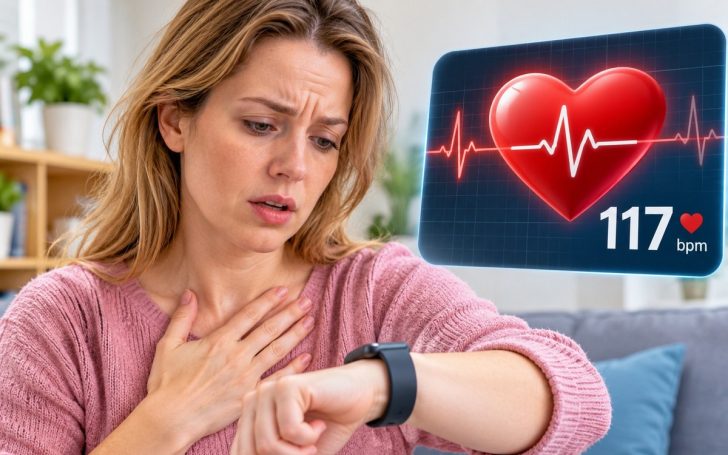
PSVT is short for paroxysmal supraventricular tachycardia. It causes very brief episodes of a fast heartbeat that start in the upper part of the heart, above the ventricles (the heart’s lower chambers). The episodes begin and end suddenly.
During an episode, the heart beats about 150 to 220 times per minute, although sometimes it beats faster or slower than that.
What are the types of PSVT?
There are three main types of PSVT:
- Atrioventricular nodal reentrant tachycardia (AVNRT): This is the most common type of supraventricular tachycardia.
- Atrioventricular reentrant tachycardia (AVRT): This is the second most common type. It is often diagnosed in younger people.
- Atrial tachycardia: This type is more common in people who have heart disease. It does not involve the atrioventricular (AV) node.
What are the symptoms of PSVT?
With this type of fast heartbeat, symptoms usually start and stop suddenly and last from a few minutes to a few hours. Signs and symptoms include:
- Nervousness or anxiety
- Chest tightness or trouble breathing
- A pounding heart (palpitations) with a very fast or irregular rhythm
- A fast pulse
- Fatigue
- Shortness of breath
Some people also have nausea, dizziness, or fainting.
When should you see a doctor?
See a doctor soon if:
- Your heart feels like it is racing and the feeling does not go away after a few minutes.
- You have had PSVT before and tried the Valsalva maneuver or coughing (described in the treatment section below), but your symptoms did not go away. Also see a doctor if the episodes keep coming back or you notice new symptoms.
Be extra careful, and see a doctor as early as possible, if you also have other heart conditions.
Severe symptoms, or an episode that lasts longer than 20 minutes, need urgent treatment. In that case, call 911 (or your local emergency number) or go to the nearest emergency room (ER).
What causes PSVT?
A normal heartbeat starts with an electrical signal from the sinus node, which sits in the right atrium (the upper right chamber). The signal travels through the atria (the upper chambers) and makes them contract together, pushing blood down into the ventricles. The signal then travels down through the AV node and makes the ventricles (the lower chambers) contract, pumping blood out of the heart and into the circulation.
PSVT happens when an abnormal electrical signal starts in the part of the heart just above the ventricles. This lets the electrical current race around in a fast, repeating loop, with no pause to let the heart reset. As a result, the ventricles have to keep contracting along with the atria.
These abnormal electrical signals appear in two main situations:
- There is an extra pathway. An extra pathway directly links the atria and ventricles, or runs inside the AV node. This causes atrioventricular reentrant tachycardia (AVRT) or atrioventricular nodal reentrant tachycardia (AVNRT). AVRT occurs in people with Wolff-Parkinson-White syndrome, a heart condition that is present from birth.
- A signal fires rapidly from outside the sinus node. The signal circles around the atria, often because of an electrical “short circuit.” This causes atrial tachycardia.
What raises your risk of PSVT?
The habits below raise the risk of PSVT:
- Heavy alcohol use
- Too much caffeine
- Drug use
- Smoking
These conditions and factors also raise the risk:
- Anemia
- Dehydration
- Medicines that contain pseudoephedrine
- A past heart attack, or heart damage from an earlier surgery
- A heart condition present from birth
- High blood pressure
- Long-lasting stress
- Hormone changes
- Obesity
- An overactive thyroid (hyperthyroidism)
How is PSVT diagnosed?
After asking about your symptoms and listening to your heart, your doctor will order blood tests. These are meant to rule out thyroid disease and other body-wide problems that show up in the blood.
You will also need an electrocardiogram (ECG) to check your heart rhythm. Sometimes the doctor does the ECG while you exercise, if physical effort sets off an episode of PSVT.
If the ECG at the hospital does not catch a fast heartbeat, you will need to wear a device that records your heart rhythm continuously for at least two days and up to one month. This raises the chance of catching an episode.
How is PSVT treated?
If PSVT episodes happen only once in a while, there is no record of them on a heart test, you have no symptoms, and you have no other heart problems, you may not need treatment.
What can you do at home during an episode?
When PSVT strikes and you feel truly uncomfortable, you can try these techniques at home. Ask your doctor to show you how to do them safely.
- Try the Valsalva maneuver. Hold your breath and bear down, as if you were having a bowel movement.
- Cough hard while leaning forward. Sit with your upper body bent forward and cough strongly. This raises the pressure inside your chest.
- Wash your face with ice-cold water.
What emergency treatment is used?
Some episodes need emergency treatment. This includes severe symptoms or an episode that lasts longer than 20 minutes. A doctor may slow the heart rate quickly by:
- Giving a synchronized electrical shock to the heart (cardioversion)
- Giving medicine through a vein (intravenously)
What are the long-term treatment options?
For people who have repeat episodes of PSVT, or who also have heart disease, long-term options include:
- Catheter ablation. This uses radiofrequency energy to destroy small areas inside the heart where the fast heartbeats start, once those spots have been located. This is the treatment chosen for most people with PSVT, and it works well.
- Daily medicine. Taking a heart rhythm medicine every day helps prevent fast heartbeats from coming back.
- A pacemaker. A pacemaker can reset the heart rhythm when an episode starts. This approach is sometimes used for children who do not respond to any other treatment.
- Surgery. Surgery changes the path of the electrical signals in the heart. It is usually done when a person needs heart surgery for another heart condition at the same time.
How can you prevent PSVT from coming back?
Your doctor may give you advice such as:
- Avoid alcohol and drinks that contain caffeine or other stimulants.
- Eat a healthy diet with plenty of fresh fruits and vegetables, fish, lean meat, and skinless poultry. Avoid the unhealthy fats found in processed foods and animal fats, and eat less salt.
- Do not use medicines that contain pseudoephedrine on your own if your doctor suspects they are causing your fast heartbeats.
- Adjust your daily schedule and work so you can rest more.
- Drink plenty of water to avoid dehydration.
- Get counseling if you feel very stressed or anxious.
- Try meditation, yoga, or slow breathing to reduce stress.
- Lose weight and stay at a healthy weight.
- Exercise at a level that suits you.
- Quit smoking and avoid secondhand smoke.
The bottom line
In most cases, PSVT is not life-threatening. But if the abnormal rhythm goes on for a long time, it can weaken the heart muscle. In serious cases, it can cause fainting, and can even lead to a drop in blood pressure and sudden cardiac arrest. The symptoms during an episode are also very unpleasant and can affect your quality of life.
If your doctor recommends treatment, follow their advice, give up unhealthy habits, and get more rest to help bring the condition under control.
References
- Paroxysmal Supraventricular Tachycardia (PSVT) — Johns Hopkins Medicine
- Paroxysmal Supraventricular Tachycardia (PSVT) — Cleveland Clinic
- A to Z: Paroxysmal Supraventricular Tachycardia (PSVT) — KidsHealth
- Paroxysmal supraventricular tachycardia (PSVT) — MedlinePlus
- Paroxysmal Supraventricular Tachycardia — StatPearls, NCBI Bookshelf
Medical disclaimer
FAQHealth content is for informational and educational purposes only. It is not a substitute for professional medical advice, diagnosis, or treatment. Always talk with your doctor or another qualified health professional about any questions you have about a medical condition.