Wheezing in Adults: Causes and Home Remedies
Wheezing in adults happens when airways narrow. Learn the common causes, simple home remedies, breathing exercises, and when to get medical help.

On this page
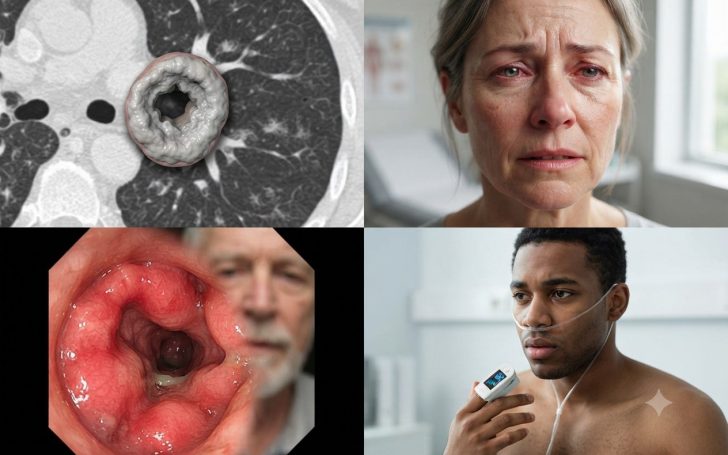
Wheezing is an unusual sound that happens when your airways are narrowed or partly blocked. Many things can cause it, including allergies, colds, bronchitis, and asthma. It can disrupt daily life, and the sound can bother the people around you. Still, a few simple home remedies may help ease it.
This guide explains what wheezing is, what causes it, which home remedies for wheezing in adults may help, and when it is time to see a doctor.
What is wheezing?
Wheezing is a high-pitched whistling or squeaking sound you can hear when a person breathes. It happens when air flows through a section of airway that is narrowed or partly blocked. The airflow becomes turbulent and makes the airway walls vibrate, which creates the sound.
Wheezing usually happens when you breathe out, because the lungs shrink and the airways inside the chest get narrower during that phase. Sometimes a person wheezes both when breathing in and when breathing out. This is linked to a more serious narrowing or blockage of a large airway outside the chest.
Besides treating the cause, a few home remedies for wheezing in adults can also help.
What causes wheezing?
Wheezing is usually caused by a blockage or narrowing of the small airways (bronchial tubes) in the chest. It can also come from a blockage in the large airways or in the vocal cords. The most common causes are listed below.
Lung problems
- Asthma
- Bronchitis
- COPD (chronic obstructive pulmonary disease)
- Cystic fibrosis
- Pneumonia
- Respiratory syncytial virus (RSV)
- A foreign object in the airway
Problems outside the lungs
- Vocal cord dysfunction
- Chronic gastroesophageal reflux (acid reflux)
- Allergies: triggered by allergens such as dust mites, pollen, pet dander, mold spores, and foods
- Anaphylaxis, a very serious and sudden allergic reaction to food or an insect sting
- Smoking, vaping (e-cigarette use), and breathing in smoke
If wheezing with phlegm is caused by extra mucus in the airways, coughing hard and clearing the phlegm may relieve it. Sometimes wheezing happens because food or another object is blocking the windpipe. This is an emergency: call 911 (or your local emergency number) right away. If a medical condition is the cause, you need treatment under the close care of a specialist.
Alongside treatment, some home remedies for wheezing in adults may noticeably improve symptoms. These include changing daily habits, eating a healthy diet, and practicing breathing exercises.
How can you ease wheezing at home?
Drink warm fluids
Warm water or hot tea may help relax the airways and reduce congestion. Drinking plenty of fluids also helps prevent dehydration and keeps the airways moist.
Ginger is a spice that contains compounds with anti-inflammatory, antibacterial, and antiviral properties. You can try making tea from fresh ginger and drinking it warm.
Add moisture to the air
Breathing warm, moist air may help clear the sinuses and open the airways. Wheezing often gets worse when the weather is dry. Using a humidifier in the bedroom may help ease a stuffy nose and wheezing during sleep. A hot shower or steam may also help.
Avoid your triggers
Another home remedy for wheezing in adults is to avoid triggers. Identify what sets off your symptoms and control those triggers whenever you can:
- Cold, dry air: Cold, dry air can narrow and irritate the airways, which makes wheezing and shortness of breath worse. If you only wheeze when you exercise in the cold, or wheezing gets worse when you work out, try exercising indoors when the weather is cold.
- Smoking and vaping: Both are harmful to your health. A 2020 study found that smoking and vaping are strongly linked to more wheezing and shortness of breath. Secondhand smoke can also cause wheezing in other people. If you smoke, look for ways to quit.
- Allergens: Allergens can make breathing harder, especially for people with conditions such as asthma or COPD. Common allergy symptoms include a runny nose, cough, itchy eyes, and wheezing. If you have seasonal allergies, you may consider an antihistamine to help relieve symptoms. Ask your doctor or pharmacist before taking one.
Eat foods rich in key vitamins
A healthy diet can improve many parts of your physical and mental health. Evidence is growing that nutrition plays a role in managing the symptoms of chronic respiratory diseases. Adding certain foods to your diet is a simple way to support your breathing at home.
A 2022 study published in the International Journal of COPD found that vitamin C may protect the lungs of people with COPD because of its strong antioxidant properties. You can add these foods to your diet to get more vitamin C:
- Spinach
- Broccoli
- Tomatoes
- Bell peppers
- Berries
- Kiwi
- Citrus fruits
Other research suggests a link between better respiratory health and a diet rich in vitamins A, D, and E. You can find these vitamins in the foods below:
- Vitamin A: fatty fish (such as salmon and tuna), dairy products, eggs, and oysters.
- Vitamin D: dairy products, red meat, fatty fish (such as swordfish or salmon), egg yolks, and mushrooms.
- Vitamin E: sunflower seeds, almonds, spinach, peanut butter, red bell peppers, and pumpkin.
Practice breathing exercises
Breathing exercises can have a positive effect on lung health and function. Breathing techniques may increase lung capacity, help the lungs work more efficiently, and reduce wheezing. These exercises look simple, but they take a little practice to master. Practice when you feel comfortable, so you can use them at home when wheezing flares up or you feel short of breath.
Pursed-lip breathing
Pursed-lip breathing slows your breathing, keeps the airways open longer, makes each breath more effective, and reduces shortness of breath.
How to do it:
- Breathe in through your nose for 2 to 4 seconds.
- Purse your lips and breathe out slowly through your mouth in one long breath for 4 to 8 seconds.
- Repeat until your breathing feels more comfortable.
Wheezing may improve or even ease after pursed-lip breathing.
Yoga breathing
Not being able to breathe out fully is common in people with asthma. Research suggests that yoga breathing exercises improve lung function in people with asthma, which in turn may reduce wheezing.
To practice yoga breathing:
- Sit or lie down in a comfortable position and close your eyes.
- Breathe in slowly through your nose until your lungs are full.
- Hold your breath for a count of one to two. Then compress some of the breath at the back of your throat and breathe out slowly through your nose until you feel you have breathed out completely.
- Pause for 2 seconds and repeat, up to 20 times.
Belly breathing
How to do it:
- Breathe in through your nose.
- Place your hand on your belly and notice how it rises and falls.
- Breathe out through your mouth in one long breath, taking at least two to three times as long as you took to breathe in.
When should you see a doctor for wheezing?
Mild wheezing can happen when you have a cold and goes away after a few days once you recover. If wheezing gets worse, keeps coming back, or comes with signs such as shortness of breath, fever, cough, chest tightness, unexplained leg swelling, loss of your voice, or swelling of the lips or tongue, see a doctor as soon as possible.
Call 911 (or your local emergency number) right away if you or someone near you has any of these signs:
- Trouble breathing or fast breathing.
- Wheezing that starts suddenly right after an insect sting, after taking a medicine, or after eating a food that may cause an allergic reaction.
- Other symptoms, such as chest pain or pale skin.
- Signs of anaphylaxis, a severe allergic reaction.
The bottom line
Wheezing in adults has many possible causes. Along with medicines and other treatments, home remedies for wheezing in adults may help ease symptoms and support your treatment.
References
Medical disclaimer
FAQHealth content is for informational and educational purposes only. It is not a substitute for professional medical advice, diagnosis, or treatment. Always talk with your doctor or another qualified health professional about any questions you have about a medical condition.