Atelectasis (Collapsed Lung): Causes, Symptoms, and Treatment
Atelectasis happens when part or all of a lung collapses. Learn the symptoms, causes, outlook, and treatments, from breathing exercises to surgery.
On this page
Atelectasis (a collapsed lung) can happen for many reasons, from a chest injury to a long-term lung disease. It does more than make breathing harder: it can also lead to serious health complications. Understanding the causes, symptoms, and treatment of atelectasis is an important step in protecting your health.
This guide answers common questions: What is atelectasis? How serious is it, and can the lung recover? Read on to learn more.
What is atelectasis?
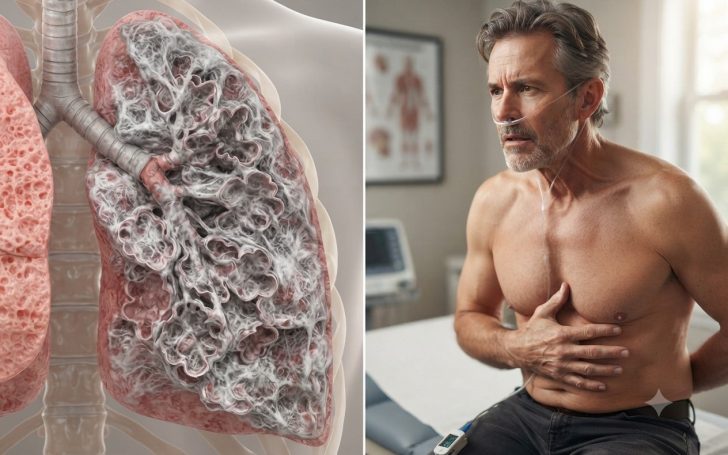
Atelectasis is a condition in which part of a lung, several parts of it, or the whole lung collapses and shrinks. It mainly affects the tiny air sacs in the lungs, called alveoli.
When you breathe in, your lungs fill with air. The air flows into the alveoli, and there, oxygen moves into your blood. If not enough air gets in to inflate the alveoli, or if something presses on them, they can deflate. This is atelectasis.
The collapse can affect a small area or the entire lung. If too much of the lung is affected, the blood does not get enough oxygen, which can cause serious health problems.
Atelectasis is divided into 3 main types, based on the cause:
- Compression atelectasis (caused by pressure on the lung)
- Obstructive atelectasis (caused by a blockage)
- Scarring atelectasis (caused by scarring, or fibrosis, of the lung)
What are the symptoms of atelectasis?
Mild atelectasis sometimes causes no obvious signs. In more serious cases, the oxygen level in the blood can drop, and you may notice symptoms such as:
- Shortness of breath
- Fast, weak breathing
- Wheezing
- Cough
- Chest pain
- Bluish skin and lips
What causes atelectasis?
Atelectasis is one of the most common breathing complications after surgery. During anesthesia, you may not breathe deeply enough to fill your lungs with air, or cough enough to clear mucus out of your lungs. This can block or limit the air reaching the alveoli, and the lung can collapse.
Atelectasis can also be a complication of other breathing problems. Possible causes include:
- A large buildup of mucus in the lungs
- Inhaling a foreign object
- Pleural effusion (fluid around the lung) or pneumothorax (air leaking into the space around the lung)
- A tumor in the lung
- Scarring of the lung
- Lung diseases such as chronic obstructive pulmonary disease (COPD), acute respiratory distress syndrome (ARDS), and respiratory infections (such as COVID-19 and pneumonia)
- Use of a breathing tube
- Lying or sitting in one position for a long time
- A chest injury or broken ribs
How serious is atelectasis?
In general, atelectasis is not usually a dangerously sudden condition. The outlook depends largely on how much of the lung is affected and on the person’s other health conditions.
In adults, a collapse in a small area is usually not life-threatening. The rest of the lung can make up for the collapsed part and still supply enough oxygen to the body.
However, a large collapsed area can be life-threatening. This is more common in newborns, young children, and people with other health conditions.
Can a collapsed lung recover?
Often, atelectasis can be reversed by removing its cause. For example, a doctor may drain fluid from around the lung, or remove an inhaled object or built-up mucus, so that the collapsed part of the lung can reopen.
For some causes, such as lung diseases and tumors, treating the problem and restoring the lung may be difficult or not possible.
How is atelectasis treated?
Treatment depends mainly on the cause. Mild atelectasis may recover on its own without treatment. Sometimes a doctor prescribes medicine to thin the mucus. If the collapse is caused by a blockage, you may need surgery or other treatments.
Chest physical therapy and breathing exercises
These are techniques that help people take deep breaths after surgery to open up and clear the airways. They include:
- Deep-breathing exercises with a handheld device called an incentive spirometer, followed by coughing to clear mucus and other secretions from the lungs. This can help the lung regain its size.
- Lying in a comfortable position with your head lower than your chest. This helps mucus drain out of the lungs more easily.
- Lying on the side of the healthy lung, which gives the collapsed area time to recover.
- Gently tapping on the chest over the collapsed area to loosen thick mucus.
Ask your doctor or care team before trying these techniques on your own.
Procedures and surgery
Bronchoscopy or suctioning of mucus can help clear a blocked airway. During bronchoscopy, a doctor gently passes a flexible tube through the throat to clean the airways. Surgery can also be done to drain air or fluid from around the lung.
If a tumor is causing the collapse, treatment includes removing the tumor or shrinking it during an endoscopic procedure or surgery. Other treatments for a cancerous (malignant) tumor include chemotherapy and radiation therapy.
Breathing support
In some cases, you may need a breathing tube. Continuous positive airway pressure (CPAP) can also help some people who are too weak to cough and have low oxygen levels.
The bottom line
Atelectasis can affect your health and quality of life. Recognizing the symptoms and causes early is important so that treatment can start in time. With modern diagnosis and treatment, many people can improve their breathing and recover lung function. Don’t ignore changes in your breathing, even small ones.
References
Medical disclaimer
FAQHealth content is for informational and educational purposes only. It is not a substitute for professional medical advice, diagnosis, or treatment. Always talk with your doctor or another qualified health professional about any questions you have about a medical condition.