Pneumonia in Young Children: Symptoms, Warning Signs, and Treatment
Pneumonia in young children often starts with cough, fever, and fast breathing. Learn the warning signs, breathing-rate thresholds, treatment, and prevention.
On this page
Pneumonia in young children usually starts with cough, fever, fast breathing, trouble breathing, and poor feeding. It is one of the most dangerous infections in children under 5. If it is not found and treated early, pneumonia can cause serious complications and can even be life-threatening.
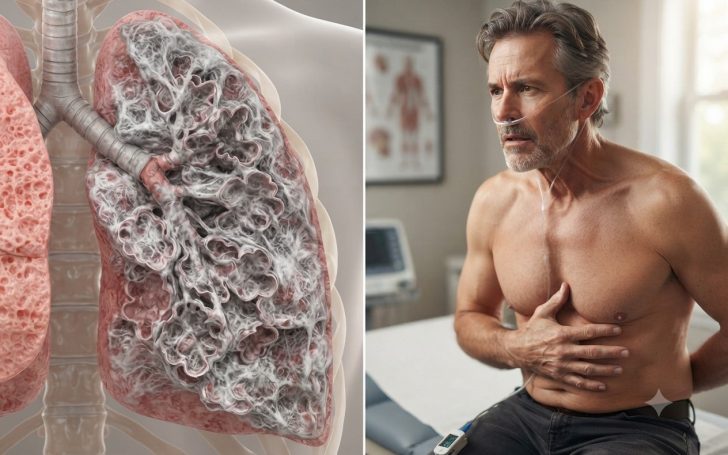
Pneumonia is an acute infection of the lungs. In a healthy person, the tiny air sacs in the lungs (alveoli) are filled with air. In a person with pneumonia, the air sacs fill with pus and other fluid. How can you spot the signs of pneumonia in a child early? This guide covers the symptoms of pneumonia in young children and shares useful information to help you care for your child.
What causes pneumonia in young children?
Pneumonia is an acute infection in which the air sacs in the lungs become inflamed and fill with pus and mucus instead of air. Young children, especially those under 5, are at high risk because their immune systems are still developing. That is why parents need to know the symptoms and act quickly.
The main causes of pneumonia include:
- Bacteria (Mycoplasma pneumoniae, pneumococcus, group B streptococcus, Staphylococcus aureus, and Haemophilus influenzae type b (Hib), among others)
- Viruses (RSV, parainfluenza, influenza, adenovirus, and others)
- Fungi, or breathing in pollutants or cigarette smoke
A child can catch it through contact with a person infected with bacteria or viruses that cause pneumonia.
What are the symptoms of pneumonia in young children?
Typical signs and symptoms of pneumonia in young children include:
- Fever (usually mild to high)
- A dry cough or a cough that brings up phlegm
- Wheezing, trouble breathing, or fast breathing
- Nostrils that flare wide with each breath
- The chest pulling in when breathing (chest indrawing)
- Chest pain, especially when coughing or taking a deep breath
- Tiredness and less activity
- Poor feeding (in infants) or loss of appetite (in older children)
- Pale or bluish lips and fingernails (a sign of low oxygen)
- Vomiting, stomach ache, and chills
A child is considered to be breathing fast if the breathing rate, measured while the child is lying quietly, is at or above these levels:
| Age | Fast breathing (breaths per minute) |
|---|---|
| Newborn to under 2 months | 60 or more |
| 2 to 12 months | 50 or more |
| 1 to 5 years | 40 or more |
Keep in mind
Cough and fever are common in young children and may or may not be related to pneumonia. The signs of pneumonia are also easy to confuse with other breathing illnesses. The best approach is to take your child to a doctor as soon as you see signs of pneumonia, so that your child gets the right diagnosis and treatment.
When should you take your child to the doctor?
See a doctor if your child has any of these signs:
- A high fever that doesn’t come down.
- Fast breathing, trouble breathing, or the chest pulling in with each breath.
- Blue or purple lips, poor feeding, or refusing to eat at all.
- Your child is limp, very sleepy, or hard to wake.
Because the signs of pneumonia can be mistaken for other conditions, a doctor needs to examine your child and diagnose it accurately with common tests such as a chest X-ray or blood tests.
How is pneumonia in young children treated?
The doctor will recommend treatment based on whether bacteria or a virus caused the pneumonia.
Mild cases that are not caused by bacteria:
- Rest at home.
- Offer plenty of fluids and feed milk often.
- Bring down the fever with acetaminophen (Tylenol) as your doctor directs.
According to pediatric experts, if a child has viral pneumonia, antibiotics are not needed. The focus is on rest and bringing down the fever.
Cases caused by bacteria:
- Take antibiotics as prescribed by your doctor.
If bacteria cause the pneumonia, the doctor usually prescribes antibiotics by mouth. The doctor will choose the right antibiotic depending on the type of bacteria.
Severe cases:
- Hospital admission.
- Antibiotics by IV or by mouth for children with bacterial pneumonia.
- Fluids by IV if the child is too weak to eat or drink.
- Oxygen therapy if the child has trouble breathing.
- Children with very severe pneumonia are cared for in the intensive care unit (ICU).
A child with severe pneumonia, such as long-lasting high fever, severe trouble breathing, or other complications, has to stay in the hospital for treatment.
How do you care for a child with pneumonia at home?
Ask your doctor before giving any medicine. Then:
- Give medicines at the right dose and time, as prescribed.
- Make sure your child gets plenty of rest, drinks lots of fluids, and eats well.
- Nurse infants more often to help them fight the infection.
- Clean your home and your child’s toys often.
- Keep your child away from people who are coughing or have a fever, and from polluted places.
- Wash your hands before and after caring for your child.
- Watch your child closely every day, especially a child who is very sick.
- Do not give a child under 6 cough medicine on your own, and do not share medicine with other children.
- Take your child to the doctor if you see symptoms of pneumonia.
Frequently asked questions
How is viral pneumonia different from bacterial pneumonia?
- Viral pneumonia: Symptoms develop slowly, are usually mild, and begin like a cold or the flu.
- Bacterial pneumonia: There is a sudden high fever, a severe cough, and fast breathing. It can progress quickly and become severe.
Whatever the cause, parents should take their child to a doctor early if the child has symptoms of pneumonia, so the child gets an accurate diagnosis and the right treatment.
Is there a vaccine to prevent pneumonia?
Pneumonia caused by bacteria can often be prevented with vaccines.
The main vaccine for preventing pneumonia, and one of the best pneumonia vaccines for children, is the pneumococcal vaccine.
Other vaccines can also protect children from pneumonia: the diphtheria-tetanus-pertussis (whooping cough) vaccine, the measles vaccine, and the Haemophilus influenzae type b (Hib) vaccine.
Can pneumonia in young children be prevented?
Yes. Here is how to help prevent pneumonia in infants and young children:
- Breastfeed exclusively for the first 6 months to help build your baby’s immune system.
- Keep up with all recommended vaccines, including pneumococcal, Hib, and flu.
- Keep your child away from smoke and polluted air.
- Make sure your child gets good nutrition, and keep your child warm in cold weather.
The bottom line
The symptoms of pneumonia in young children are easy to mistake for other breathing illnesses. Parents need to watch for every unusual sign and take their child to the doctor in time. Finding and treating pneumonia early is the key to a quick recovery and to avoiding dangerous complications. Don’t forget to keep your child’s vaccines up to date to protect their health in the long term.
References
Medical disclaimer
FAQHealth content is for informational and educational purposes only. It is not a substitute for professional medical advice, diagnosis, or treatment. Always talk with your doctor or another qualified health professional about any questions you have about a medical condition.