Red Acne Bumps Without a Head: Signs, Causes, and Treatment
Deep, red, painful pimples with no visible head are a form of inflammatory acne. Learn how to spot them, why you shouldn't pop them, and how they are treated.
On this page
Red acne bumps without a head affect more than how your skin looks. They can be painful and swollen, and if they are not treated properly they can leave scars and dark marks behind.
This guide explains how to recognize red acne bumps without a head, what causes them, and how they are treated and prevented.
What are red acne bumps without a head?
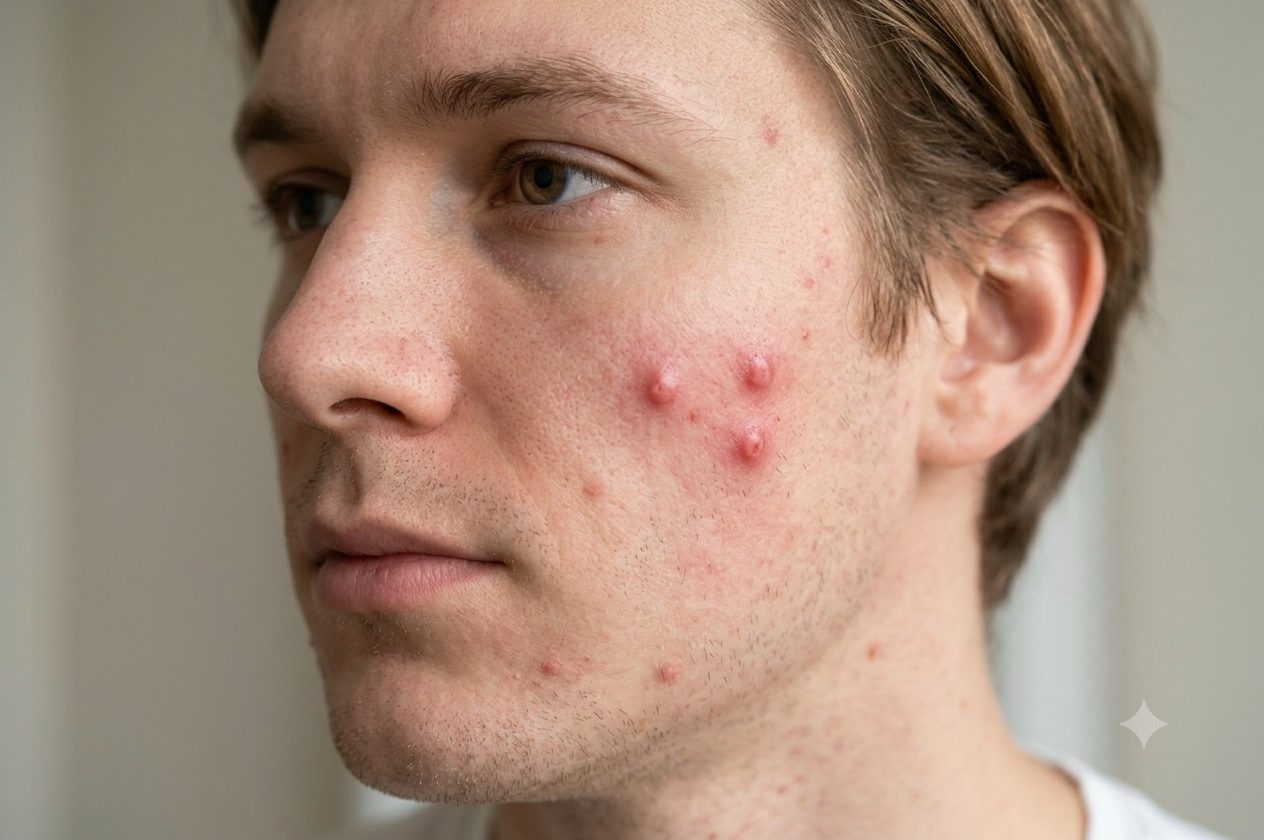
Red acne bumps without a head are ordinary inflammatory acne in the early inflammatory stage. In other words, they are swollen red bumps in which you can’t see a core, or in which the core sits deep in the skin and hurts when you touch it.
You may also hear them called headless acne or red acne with no core.
How can you recognize them?
Red inflamed acne without pus usually shows up as nodules or cysts:
- Nodules: Large, hard lumps under the skin that contain no pus.
- Cysts: Large, soft bumps with an acne core under the skin that you can’t see.
Both types share these features:
- They are large, wider than 5 mm (about 0.2 inch).
- The skin around them is red and swollen.
- They are painful.
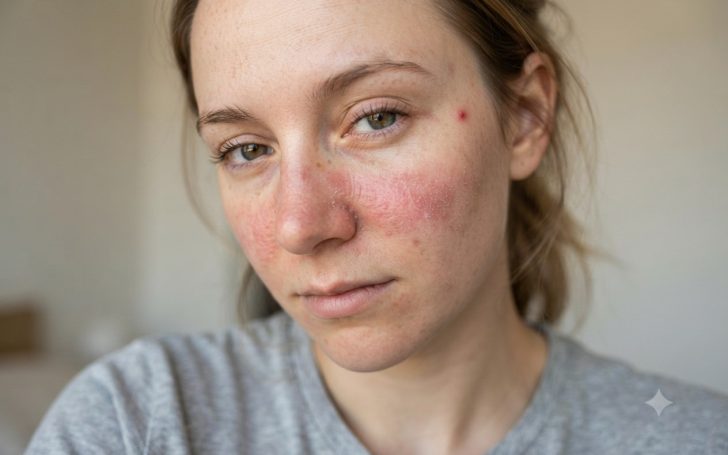
Rosacea can also cause red bumps without a head, so a doctor has to tell the two apart. Rosacea comes with visible small blood vessels and facial flushing, mostly in the center of the face, the nose, and both cheeks, and sometimes on the forehead and chin.
What causes red acne bumps without a head?
The main cause is dead skin cells and excess oil building up and clogging pores. Bacteria can then get in, and your immune system reacts by sending white blood cells to the spot, which causes redness, swelling, and pain.
Other factors can also play a role:
- Diet: Eating a lot of dairy, sugar, and fat may contribute.
- Genetics: You are more likely to get these bumps if acne runs in your family.
- Hormonal changes: These are common during the teen years, during pregnancy, and during menopause.
- Picking or squeezing pimples: Squeezing whiteheads or blackheads can push bacteria into the skin and damage it, causing inflammation.
- Using skin products the wrong way: A heavy, oily moisturizer that doesn’t suit your skin type can clog your skin and cause breakouts.
Should you pop red acne bumps without a head?
No. Do not squeeze these bumps under any circumstances. Doing so can lead to:
- Large acne scars
- Infection
- Pain
- Damaged pores, leaving dark marks and scars
How are red acne bumps without a head treated?
Some over-the-counter cleansers and topical products can help reduce the inflammation. To treat the acne effectively, though, see a doctor for an exam and a prescription. A doctor can help clear severe inflamed acne and keep it from coming back.
Ask your doctor or dermatologist before using any of the medicines below.
Topical medicines (applied to the skin) include:
- Azelaic acid
- Benzoyl peroxide
- Salicylic acid
- Retinoids (vitamin A), including tretinoin and adapalene
- Niacinamide (vitamin B3), which fights inflammation, moisturizes, and soothes the skin
- Topical antibiotics such as clindamycin, erythromycin, and dapsone
Prescription medicines taken by mouth include:
- Dapsone: An anti-infection medicine
- Antibiotics: Doxycycline or tetracycline
- Hormone therapy: Birth control pills or spironolactone, an anti-androgen medicine
- Isotretinoin: A high-dose form of vitamin A
A dermatologist may also suggest other medical treatments, such as cortisone injections or light therapy to kill bacteria.
How can you prevent red acne bumps without a head?
To reduce flare-ups, build a steady skin care routine and choose skin products that suit you:
- Avoid touching your face. Touching can transfer oil and dirt into your pores.
- Don’t squeeze pimples. Never pick at whiteheads, blackheads, or boils on your own, or they can become inflamed.
- Keep your skin clean. Always remove makeup before bed. Wash and moisturize in the morning and evening, and also after exercise.
- Eat a healthy diet. Foods rich in vitamin C and omega-3 fatty acids may help. Also limit sugar, dairy, and greasy foods.
- Choose suitable skin care products. If your skin is oily and acne-prone, pick cleansers, moisturizers, and makeup that are oil-free, water-based, and noncomedogenic (formulated not to clog pores).
- Adopt healthier habits. Avoid staying up late and try to limit stress.
Frequently asked questions
How long do red acne bumps without a head last?
Inflammatory acne can be stubborn and may take more than a few months of skin care and treatment. In many cases you need a dermatologist’s help to treat it effectively. Inflammatory acne can leave permanent scars.
Can they come back after treatment?
Yes. Inflammatory acne is a chronic condition, so it can return during or after treatment. What you can control is keeping up a good skin care routine and a healthy lifestyle to prevent or reduce lasting effects such as scarring.
We hope this guide helps you spot these bumps early and find the right way to treat and prevent them, so your skin stays healthy and clear.
References
Medical disclaimer
FAQHealth content is for informational and educational purposes only. It is not a substitute for professional medical advice, diagnosis, or treatment. Always talk with your doctor or another qualified health professional about any questions you have about a medical condition.