Sensitive Skin: Signs, Causes and a Dermatologist-Style Routine
Redness, itching, stinging and breakouts can all signal sensitive skin. Learn the common triggers, which ingredients to choose or avoid, and a gentle daily routine.

On this page
Does your skin sting, itch, or turn red at the slightest change? You may have sensitive skin. Here’s how to recognize it, what triggers it, and how to care for it.
What is sensitive skin?
Sensitive skin overreacts and gets irritated more easily than other skin. It may burn, sting, itch, or suddenly change color after contact with a trigger such as weather, chemicals, stress, or hormonal changes.
Sensitive skin is common, affecting about one-third of adults, and it’s more common in women than in men. Genetics may also make some people’s skin more reactive.
Signs of sensitive skin
Signs vary from person to person, but burning and itching are among the most common.
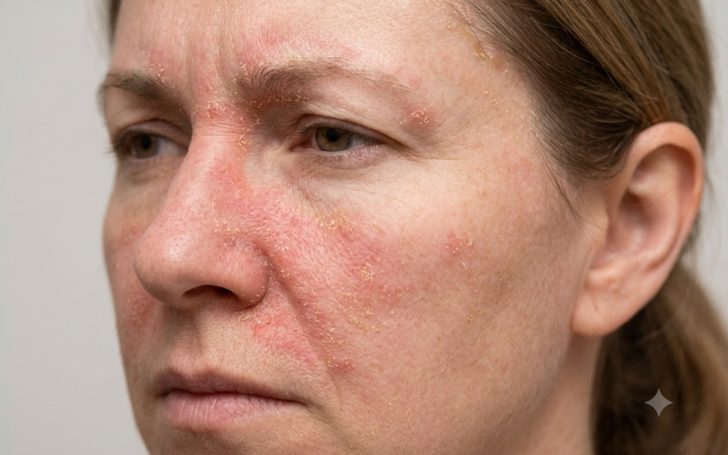
- Redness. Your skin flushes easily — as a rash, bumps, facial redness, or visible blood vessels. It usually fades once the trigger is removed or with mild treatment.
- Rashes. Dry, itchy rashes may appear quickly after using products such as lotion or sunscreen. If you’re allergic to an ingredient, this may be more than sensitivity.
- Frequent itching. Soaps, detergents, perfumes, skin care, and household products may make your skin itch. Sun, wind, and cold air can too.
- Dryness and flaking. Dry and sensitive skin often go together, especially in cold, dry, or windy weather. Use a gentle moisturizer and protect your skin outdoors.
- Breakouts. Clogged pores can lead to more frequent acne. A cleanser made for sensitive skin can clean without making things worse.
- Sunburning easily. Sensitive skin is more vulnerable to sun damage. Wear broad-spectrum sunscreen with SPF 30 or higher.
- Tightness. Your skin may feel tight and uncomfortable, especially after washing, because it loses moisture or reacts to cleanser ingredients.
What causes sensitive skin?
External triggers
- Temperature changes and wind: Sudden heat, cold, or wind can trigger the release of histamine, causing itching and widening blood vessels that make skin red.
- Pollution: Fine particles in the air cause oxidative stress on the skin, weakening its protective barrier and making it drier and more reactive.
- Sunlight: UV rays cause oxidative stress and inflammation, and they’re a major driver of skin aging.
- Cosmetic ingredients: Fragrance, alcohol, and lanolin can irritate sensitive skin. Strong anti-aging ingredients such as high-strength AHAs and retinol can make skin more sensitive.
- Detergents: Laundry products with enzymes or harsh cleansers such as sodium lauryl sulfate can irritate skin through clothing and towels.
- Medical treatments: Skin healing after surgery is more reactive. Some treatments, such as radiation or certain medications, can make skin temporarily sensitive.
Internal triggers
- Gluten intolerance: Celiac disease can affect the skin. In severe cases it causes a widespread blistering rash called dermatitis herpetiformis. Gluten isn’t a common cause of sensitive skin, but take note if symptoms flare after eating bread, pasta, or other gluten-containing foods.
- Hormonal changes: Shifts during the menstrual cycle or perimenopause can worsen redness.
- Stress and anxiety: Long-term stress can make nerve endings in the skin send pain signals while blood vessels in the face and neck widen, causing flushing. Stress-reducing practices like meditation can help.
- Spicy food: Capsaicin in spicy foods raises skin temperature and activates irritation receptors, often causing redness right after eating.
- Nutrient gaps: Low protein, zinc, iron, or vitamins can cause skin problems. Eat plenty of vitamin C–rich foods (tomatoes, bell peppers, kiwi, citrus), soy, nuts, and fatty fish.
Important: Sensitive skin should be distinguished from skin diseases such as psoriasis, lupus, folliculitis, or seborrheic dermatitis. If symptoms persist, see a dermatologist.
How to care for sensitive skin
Ingredients to look for
- Aloe vera: Soothes and calms redness.
- Ceramides: Natural lipids in your skin barrier that help hold in moisture and repair the barrier.
- Niacinamide (vitamin B3): Reduces inflammation, strengthens the barrier, and eases redness and irritation.
- Glycerin: Hydrates without clogging pores.
- Squalane: A lightweight oil (often from olives or sugarcane) that mimics your skin’s natural oils and is very moisturizing.
Ingredients to avoid
- Fragrance: Both synthetic and natural fragrances can irritate. Look for “fragrance-free.”
- Alcohol: Helps products dry quickly but strips natural oils, causing dryness and irritation.
- Sulfates: Foaming agents such as sodium lauryl sulfate (SLS) can be very irritating.
- Essential oils: Some can irritate sensitive skin.
- Harsh scrubs: Gritty physical exfoliants can damage sensitive skin. Choose gentle options instead.
Product tips
- Cleanser: Should remove dirt, oil, and makeup without stripping moisture.
- Moisturizer: Choose a lightweight, long-lasting, non-greasy formula with ceramides, shea butter, or squalane.
- Sunscreen: Mineral sunscreens with zinc oxide and titanium dioxide are usually better tolerated.
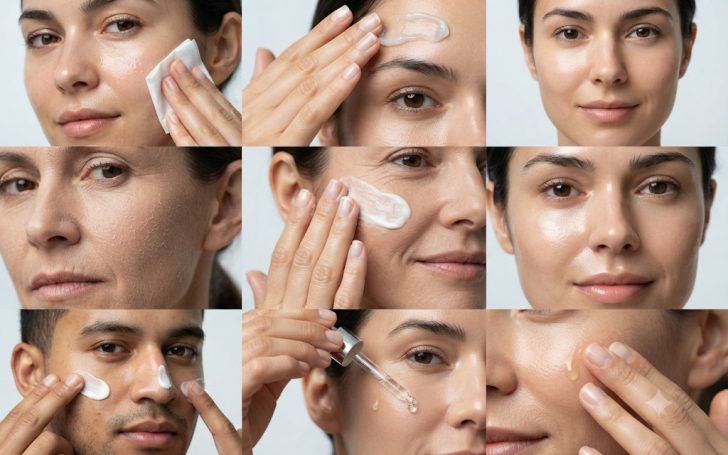
A simple daily routine for sensitive skin
- Remove makeup. Use a gentle makeup remover on a cotton pad, morning and night. Wash your hands first.
- Cleanse. Use a gentle cleanser made for sensitive skin and massage with your fingertips.
- Tone. Use an alcohol-free toner or facial mist to restore balance.
- Treat (optional). A low-strength vitamin C serum, hyaluronic acid serum, or niacinamide serum can address dryness, dark spots, or acne.
- Moisturize. Daily moisturizing restores hydration and strengthens your barrier. Even oily or acne-prone skin needs it — choose a light, oil-free gel.
- Protect. Apply sunscreen to your face and other exposed skin every day, about 20 to 30 minutes before going outside.
Dos and don’ts
Do
- Identify your triggers. Notice when irritation appears and what changed: harsh products, sudden weather changes, pollution, certain foods or allergens, or fabrics.
- Stay hydrated. Drink water throughout the day, and eat water-rich produce such as cucumber, watermelon, pears, oranges, and pineapple.
- Eat skin-friendly foods: omega-3s (salmon, tuna, walnuts, flaxseed), antioxidants (colorful fruits and vegetables), vitamins A, C, and E, B vitamins, and selenium (Brazil nuts, shrimp, fish, turkey).
- Protect your skin from the sun, and reapply sunscreen often during long periods outdoors.
Don’t
- Stay up late. Sleep is when skin repairs itself, rebuilds collagen, and rebalances moisture.
- Over-exfoliate. Too much exfoliation breaks down your skin barrier and causes irritation.
- Use very hot water. Hot water strips natural lipids. Wash with cool or lukewarm water instead.
- Use heavily fragranced products. Even natural fragrances can cause reactions. Choose gentle, fragrance-free products.
Sensitive skin reacts to small changes inside and outside your body, but caring for it isn’t as hard as it seems. The key is finding your triggers and choosing a gentle routine that works for you.
References
Medical disclaimer
FAQHealth content is for informational and educational purposes only. It is not a substitute for professional medical advice, diagnosis, or treatment. Always talk with your doctor or another qualified health professional about any questions you have about a medical condition.
Demo content adapted and translated from Hello Bacsi.