Seborrheic Dermatitis on the Face: Does It Go Away on Its Own?
Seborrheic dermatitis on the face is common but usually doesn't clear up by itself in adults. Learn the signs, causes, risk factors, and how it is treated.
On this page
- What is seborrheic dermatitis on the face?
- What are the signs of seborrheic dermatitis on the face?
- Does seborrheic dermatitis on the face go away on its own?
- What causes seborrheic dermatitis on the face?
- Who is at risk of seborrheic dermatitis on the face?
- How is seborrheic dermatitis on the face treated?
- The bottom line
Seborrheic dermatitis on the face can change how your face looks and make you feel self-conscious. It affects a lot of people, but not everyone knows much about it or how to keep it under control.
This guide explains whether seborrheic dermatitis on the face goes away on its own, what causes it, and how it is treated.
What is seborrheic dermatitis on the face?
Seborrheic dermatitis is a common skin condition caused by overactive sebaceous glands, the glands that make the oil that keeps your skin naturally moist. It often shows up on the face because the face has many oil-producing glands.
This skin condition tends to last a long time, or to go away and come back. Facial seborrheic dermatitis often gets worse with cold weather, hormone changes, and stress, especially after staying up late or using stimulants such as caffeine. Seborrheic dermatitis is not contagious, so you can’t catch it from another person.
What are the signs of seborrheic dermatitis on the face?
Symptoms vary from person to person. They can include:
- Oily skin that looks shiny, because the face makes a lot of oil
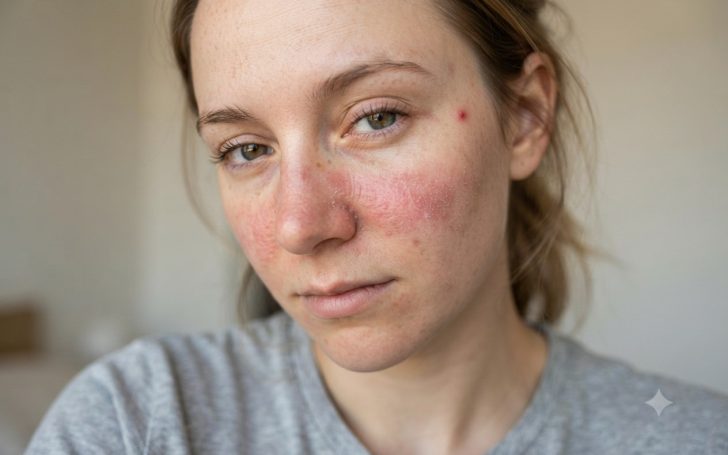
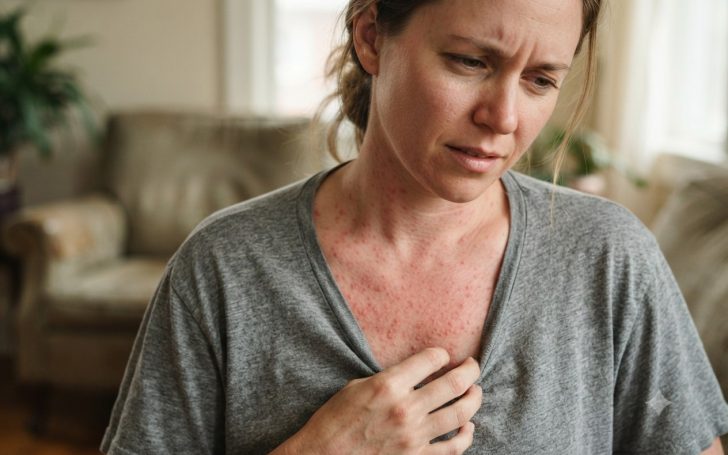
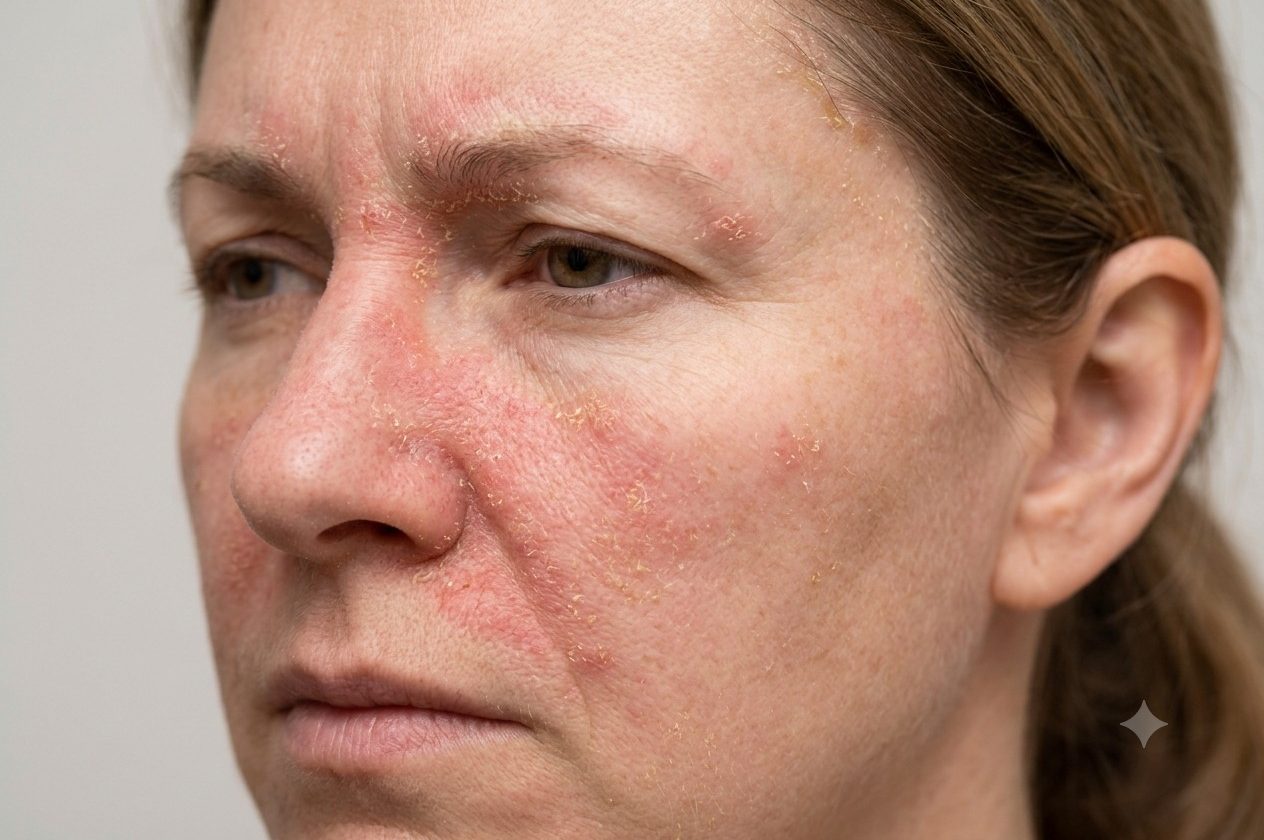
- Red, swollen, greasy, scaly patches of skin, most often on the eyelids, on both sides of the nose, in and around the eyebrows, and near the ears. Seborrheic dermatitis can also cause dandruff-like flakes on the scalp, chest, back, armpits, and groin.
- Itching
- Weeping (oozing) skin
- Pain
- Many pimples
The symptoms of seborrheic dermatitis can look like many other skin conditions.
Does seborrheic dermatitis on the face go away on its own?
In adults, no. Treatments can’t cure seborrheic dermatitis, but they can ease uncomfortable symptoms such as itching and swelling. Seborrheic dermatitis is a chronic condition and it can easily come back.
In many infants, however, this common skin condition clears up on its own and does not return. Adults usually have flare-ups that keep coming back over many years. Many people first get it when they are young, or after age 50, and then it becomes chronic and keeps returning.
If the condition does not clear up on its own, there are effective treatments that control the symptoms and help prevent future flare-ups. See a dermatologist (skin doctor) when you notice unusual signs, so the condition can be managed early and complications can be avoided.
What causes seborrheic dermatitis on the face?
Facial seborrheic dermatitis usually results from a mix of genetic and environmental factors.
A common cause is an inflammatory reaction to excess Malassezia yeast (also called pityrosporum), a microorganism that lives on the surface of the skin. When Malassezia overgrows, the immune system overreacts to it, and the skin changes.
Some other conditions can also raise the risk of seborrheic dermatitis. These include psoriasis, HIV, acne, rosacea, Parkinson’s disease, epilepsy, alcohol use disorder, depression, eating disorders, and recovery from a stroke or heart attack.
Common triggers include:
- Stress
- Your body’s response to and recovery from a major shock, such as losing a loved one or having a heart attack
- Hormone changes
- Harsh cleansers, solvents, chemicals, and soaps
- Cold, dry weather or a change of seasons
- A reaction to certain medicines, such as psoralen, interferon, and lithium. Don’t stop taking any prescribed medicine without talking to your doctor first.
- Other conditions, such as HIV and Parkinson’s disease
Like all forms of eczema, seborrheic dermatitis is not contagious. You can’t catch it from someone else. It is mainly driven by environmental and genetic factors.
Who is at risk of seborrheic dermatitis on the face?
Seborrheic dermatitis can affect anyone at any age. It is most common in infants and in adults ages 30 to 60. Among adults and teenagers, it is more common in men.
Some studies show that 3 to 10 out of every 100 people will have seborrheic dermatitis at some point in life.
How is seborrheic dermatitis on the face treated?
Symptoms that last longer than 2 weeks need treatment. Options include the following.
Antifungal products (alternated with another medicine if a fungal overgrowth is present)
Sometimes the answer is simply the right skin care. Wash your face daily with a gentle cleanser that contains zinc pyrithione 2%, then apply a moisturizer.
If seborrheic dermatitis comes with a fungal overgrowth that also affects the hairline, consider a dandruff shampoo that contains ketoconazole 2% or ciclopirox 1%. Both ingredients can dry out the skin, so use a moisturizer along with them.
Creams or ointments to control inflammation
Your doctor may prescribe medicines that contain certain prescription-strength corticosteroids, including:
- Hydrocortisone or fluocinolone acetonide
- Calcineurin inhibitor creams or ointments that contain pimecrolimus or tacrolimus
Ask your doctor or dermatologist before using any of these medicines. The medicines above are listed for reference only, and you should use them only when a doctor tells you to. They are recommended only until the symptoms are gone. To help prevent flare-ups, you can use the shampoo, cream, or ointment 1 to 2 times a week.
Healthy lifestyle habits
Besides the medicine your doctor prescribes, healthy habits make a big difference in treatment. Managing stress and getting enough sleep can also improve your skin. Some techniques are especially helpful for easing stress:
- Gentle exercise, such as yoga or an easy walk
- Meditation and slow, deep breathing
- Spending time in nature, even just five minutes
- Making time for hobbies, such as music or drawing
There are many other ways to reduce stress. The most important thing is to find an activity you enjoy that lets you slow down and take better care of yourself.
The bottom line
Seborrheic dermatitis on the face is not directly dangerous to your health, but it can affect how you look and feel. If you have any severe symptoms, see a doctor for an exam, diagnosis, and treatment so the condition is fully managed and doesn’t cause other health problems.
References
Medical disclaimer
FAQHealth content is for informational and educational purposes only. It is not a substitute for professional medical advice, diagnosis, or treatment. Always talk with your doctor or another qualified health professional about any questions you have about a medical condition.