Acne Serums: How to Choose One and Use It Safely
Acne serums pack in ingredients like niacinamide, salicylic acid, and retinol. Learn how to choose one for your skin type, use it correctly, and avoid irritation.
On this page
An acne serum is a lightweight skin care product made to soak into the skin. Its active ingredients may help calm inflammation, fight acne-causing bacteria, and support the skin’s renewal process.
This guide explains what acne serums are, how to use them, which ingredients suit different skin types, and how to choose one while avoiding irritation.
What is an acne serum, and why use one?
An acne serum is a light, liquid-like skin care product that contains a high concentration of active ingredients. It is formulated to target acne-related problems such as inflammation, acne-causing bacteria, and other signs of acne.
Serums are made with smaller molecules than many standard acne products. This is meant to help the active ingredients reach the upper layer of the skin (the epidermis) and work on problems inside the pores.
Common ingredients in acne serums include:
- Niacinamide: may help reduce inflammation, brighten skin, and make pores look smaller.
- Salicylic acid: helps exfoliate dead skin cells, remove excess oil, and fight bacteria.
- Retinol: supports collagen production, may fade dark marks and scars, and may help prevent new breakouts.
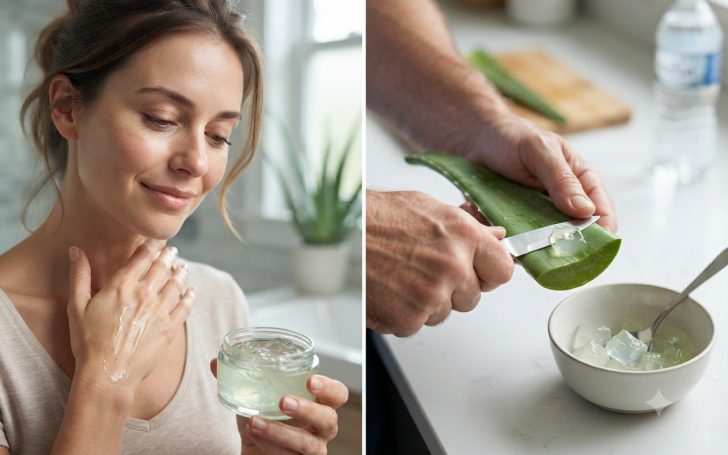
- Plant extracts, such as fish mint, aloe vera, and green tea: used to calm inflammation and soothe the skin.
Research suggests that serums with ingredients such as retinol, salicylic acid, and niacinamide can help reduce acne, calm the skin, and improve skin texture. For the best results, pick a serum that fits your skin type and your type of acne, and pair it with healthy habits that support your skin from the inside.
How do you use an acne serum?
A common question is whether to apply acne cream before or after a serum. The rule to remember is to apply products from thinnest to thickest. A serum is light and absorbs quickly, so it goes on first, which lets your skin take in as much of it as possible. Acne cream, which usually has a thicker texture, comes next. It forms a protective layer and focuses on treating the acne.
Here is a sample routine for acne-prone skin.
Morning:
- Cleanse: Wash your face with a gentle cleanser.
- Toner: Balance the skin’s pH.
- Serum: Apply the acne serum to your whole face or just the areas with acne.
- Acne cream: Choose a cream that suits your skin’s condition.
- Sunscreen: Protect your skin from the harmful effects of UV rays.
Evening:
- Remove makeup: Take off makeup and dirt.
- Cleanse: Wash your face thoroughly with a cleanser.
- Toner: Balance the skin’s pH.
- Serum: Apply the acne serum.
- Acne cream: Choose a cream that suits your skin’s condition.
What should you know before using an acne serum?
Using a serum correctly helps you get the most from it and avoid unwanted side effects. Keep the following points in mind.
Test the product on your wrist first
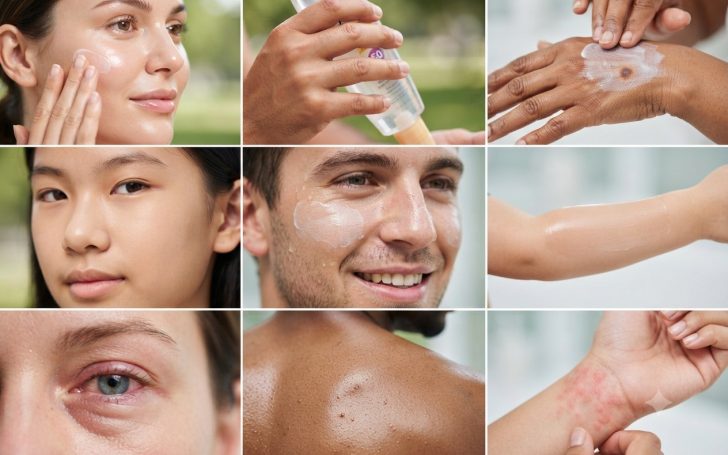
A patch test shows whether your skin reacts to a serum with irritation, redness, or any other side effect. Apply a small amount of serum to the skin of your wrist or behind your ear, then wait about 24 hours and watch for a reaction.
Avoid combining serums with certain irritating ingredients
The following combinations should not be used together because they can irritate the skin:
- Retinol and vitamin C: Both are strong active ingredients. Together, they can cause dryness, peeling, and irritation.
- Benzoyl peroxide and AHA/BHA: Both exfoliate strongly. Combined, they can damage the skin.
- Alcohol-based toner and a retinol serum: Alcohol can dry the skin, and together with retinol it can make irritation worse.
Which acne serum suits which skin type?
Choosing a serum that fits your skin’s condition is very important. Read about the ingredients and what they do before you use a product.
What should you look for if you have closed comedones?
Closed comedones (hidden acne) show up as tiny bumps under the skin, with no whitehead or blackhead. They tend to feel rough and uncomfortable, and they are harder to treat than other types of acne. They often come with these features:
- Rough, uneven skin
- Enlarged pores
- A feeling of tightness under the skin
- Makeup that is hard to apply evenly
If you have closed comedones, look for a serum with salicylic acid and tea tree extract. These are two common ingredients used for this kind of acne.
What should you look for if you have oily skin?
Oily skin produces too much oil. It often comes with enlarged pores and is prone to acne. Common signs include:
- Enlarged pores: Extra oil builds up and stretches the pores, which gives bacteria a place to grow and cause acne.
- A shiny look: Excess oil keeps the skin shiny, especially in the T-zone (forehead, nose, and chin).
- Blackheads and inflamed pimples: Extra oil mixes with dead skin cells and clogs the pores, which forms acne.
If you have oily skin, choose a serum with ingredients that help control oil, such as:
- Niacinamide: Helps control excess oil, soothes the skin, makes pores look smaller, and brightens the skin.
- AHA/BHA: Exfoliate, clean pores deeply, and help prevent new acne.
- Zinc: Helps regulate the oil glands, reduce inflammation, and soothe the skin.
What about serums with plant-based ingredients?
Fish mint (also called houttuynia) is known for its benefits in acne care. It has anti-inflammatory properties, soothes the skin, and may help keep acne-causing bacteria in check. For this reason, it is a main ingredient in many skin care products, especially serums.
Other plant-based ingredients, such as green tea, cherry blossom, rice, and seaweed, are also used in serums. They are used to soothe the skin, calm inflammation, and nourish healthy skin.
How do you choose an acne serum that works without causing irritation?
Choosing the right serum is an important step toward healthy skin. These tips can help you pick a product that suits you and avoid unnecessary irritation.
Read the ingredient list carefully
- Soothing plant-based ingredients: Extracts of fish mint, centella (gotu kola), green tea, aloe vera, and chamomile are used to soothe the skin, calm inflammation, and reduce swelling.
- Acne-fighting active ingredients: Salicylic acid, benzoyl peroxide, and retinol help remove dead skin cells, clean pores, and kill acne-causing bacteria.
- Ingredients that may irritate: Parabens, fragrance, and artificial colors can irritate the skin, especially sensitive skin.
Look for third-party certifications
Certifications and ratings from independent organizations can give you more confidence about a product’s quality and safety.
- COSMOS: Certifies products that come from natural sources and are made under a strict process.
- EWG: Rates products based on their safety for health and the environment.
Make sure the product is genuine
Genuine serums usually share these traits:
- Packaging: Clean, sharp packaging with clearly printed information.
- Scent: A mild, pleasant scent that is not too strong.
- Texture: An even texture with no clumps.
Before you buy, compare prices from different sources so you do not end up with a fake product sold at a price that is too low. Buy from reputable beauty stores and authorized online sellers to be sure of the quality.
Frequently asked questions about acne serums
Do acne serums dry out your skin?
Not all acne serums dry out the skin. Some can, especially those that contain alcohol or benzoyl peroxide. However, many serums now add moisturizing ingredients, such as hyaluronic acid, to reduce this problem.
Can you use an acne serum every day?
Yes, you can use an acne serum every day. Start with a small amount and increase gradually so your skin can get used to it. If your skin is very sensitive, you can use the serum every other day.
How long does an acne serum take to work?
It depends on your skin type, how severe your acne is, and the product you use. In general, you will usually see clear improvement after about 2 to 4 weeks of regular use.
The bottom line
An acne serum can be a useful part of an acne routine. To get the best results, be patient and combine it with a healthy diet, enough water, and enough sleep. Healthy skin comes from caring for your whole body, not from a single product.
References
Medical disclaimer
FAQHealth content is for informational and educational purposes only. It is not a substitute for professional medical advice, diagnosis, or treatment. Always talk with your doctor or another qualified health professional about any questions you have about a medical condition.