9 Benefits of Sunscreen — Plus Side Effects and FAQs
Daily sunscreen protects against skin cancer, premature aging and dark spots. Learn how SPF works, mineral vs. chemical formulas, and possible side effects.
On this page
Wearing sunscreen every day is one of the most important things you can do for healthy, radiant skin. Rain or shine, sunscreen protects you from invisible UV rays that damage your skin.
Used correctly, sunscreen lowers your risk of sunburn, dark spots, freckles, premature aging, and skin cancer. But there are also some possible downsides and common myths. Here’s how to get the most out of your sunscreen.
What is sunscreen?
Sunscreen protects your skin from the sun’s harmful effects, preventing sunburn and premature aging. It comes as a cream, lotion, spray, gel, or stick.
The active ingredients work in one of two ways: they absorb ultraviolet (UV) rays before they reach deeper layers of skin, or they reflect UV rays away.
Terms to know on sunscreen labels
- Broad spectrum: Protects against both UVA and UVB rays. UVA rays penetrate deeper and are the main cause of wrinkles, sagging, and other signs of aging. UVB rays damage the surface of the skin and are the main cause of sunburn. Both raise your risk of skin cancer.
- SPF (Sun Protection Factor): Measures how well a sunscreen protects against UVB rays. Higher SPF means more protection, but no sunscreen blocks 100% of UVB.
- PA rating: A Japanese system that measures UVA protection, ranging from PA+ (moderate) to PA++++ (very high). You’ll see it mostly on Asian sunscreens; in the U.S., look for “broad spectrum.”
- Water resistant: No sunscreen is completely waterproof or sweatproof. “Water resistant” means it stays effective on wet skin for about 40 or 80 minutes.
- Active ingredients: The chemical or mineral sunscreen filters in the product. Many sunscreens combine both.
Mineral vs. chemical sunscreen
Mineral (physical) sunscreen
Mineral sunscreens use natural minerals — most often zinc oxide and titanium dioxide. They sit on the skin’s surface like a shield, scattering and deflecting UV rays.
Because they block UV right at the surface, they protect against both UVA and UVB. But they can rub or sweat off more easily, so you need to reapply often. They also tend to look white on the skin. Avoid inhaling spray or powder mineral sunscreens, since tiny particles may irritate the lungs.
Pros:
- Broad protection against UVA and UVB
- Works immediately — no waiting time
- Doesn’t clog pores; a good choice for sensitive, easily irritated skin
Cons:
- Wears off more easily — less ideal for long outdoor activities
- Thicker texture that can leave a white cast
Chemical sunscreen
Chemical sunscreens absorb into the skin. They take in UV rays, turn them into heat, and release that heat from the skin. They often contain oxybenzone, avobenzone, octinoxate, octocrylene, octisalate, or homosalate.
Some chemical sunscreens may not block all UVA rays. The heat they release can also bother people with sensitive skin, rosacea, or hyperpigmentation. They feel light and absorb easily, but you need to apply them 15 to 20 minutes before going outside.
Pros:
- Lightweight and absorbs easily
- Layers well with other skin care products
Cons:
- Needs 15–20 minutes to start working
- More likely to irritate, especially dry skin
- Some ingredients can be absorbed into the bloodstream
Each type has pros and cons. Choose based on your skin type, daily routine, active ingredients, and preferred texture — and buy from trusted brands.
9 benefits of sunscreen
1. Protects against UV damage and skin cancer
UV radiation is the biggest risk factor for skin cancer. About 95% of the UV radiation that reaches Earth is UVA, which damages DNA indirectly by creating free radicals. UVB damages DNA directly. By blocking these rays, sunscreen helps prevent the cell damage that can lead to basal cell carcinoma, squamous cell carcinoma, and melanoma.
2. Helps prevent premature aging
Wrinkles, crow’s feet, dark spots, and rough texture are all signs of skin aging, and daily unprotected sun exposure speeds them up. One study found that middle-aged men and women who used sunscreen every day were less likely to develop wrinkles and age spots over 4.5 years than those who didn’t.
3. Prevents dark spots and freckles
Dark patches (such as melasma) and freckles make some areas of skin darker than others. Freckles are mostly genetic, but both are worsened by sun-triggered melanin. The American Academy of Dermatology says sunscreen helps protect against, prevent, and fade existing dark spots — as long as you use it correctly.
4. Supports your skin care routine
Some sunscreens contain moisturizing ingredients such as hyaluronic acid and ceramides that support the skin barrier. These offer double duty — sun protection plus hydration — which is especially helpful for dry skin.
5. Protects skin conditions from flare-ups
Conditions such as lupus and rosacea can flare after even brief unprotected sun exposure. Sunscreen with SPF 30 or higher helps protect your skin. Mineral sunscreens are often the better choice for sensitive skin because they’re less likely to contain irritating ingredients.
6. Helps prevent acne flare-ups
Some acne treatments, such as topical retinoids and certain antibiotics, make skin more sensitive to the sun. Sunscreen helps keep UV rays from worsening acne and inflammation — especially formulas with soothing ingredients like zinc oxide or niacinamide.
7. Reduces visible broken blood vessels
UV exposure can make tiny blood vessels on your face more visible (telangiectasia), sometimes looking like bruising. Most are harmless, but treatment usually requires lasers, sclerotherapy, or surgery. Wearing sunscreen daily helps prevent them.
8. Creates a smooth base for makeup
Add sunscreen to your morning routine like this:
- Cleanse to remove oil and dirt.
- Apply serum or essence and let it absorb.
- Moisturize — even if your skin isn’t dry — for a smooth base.
- Apply sunscreen to your face, neck, and any exposed skin. Wait about 15 minutes.
- Use primer to help makeup last longer.
- Finish your makeup with foundation and other products.
9. Builds a healthy habit
You may not feel the sun on cloudy days, but UV rays still pass through clouds and damage adds up over time. Indoor lighting can also give off small amounts of UV, so daily sunscreen is a smart habit.
Possible side effects of sunscreen
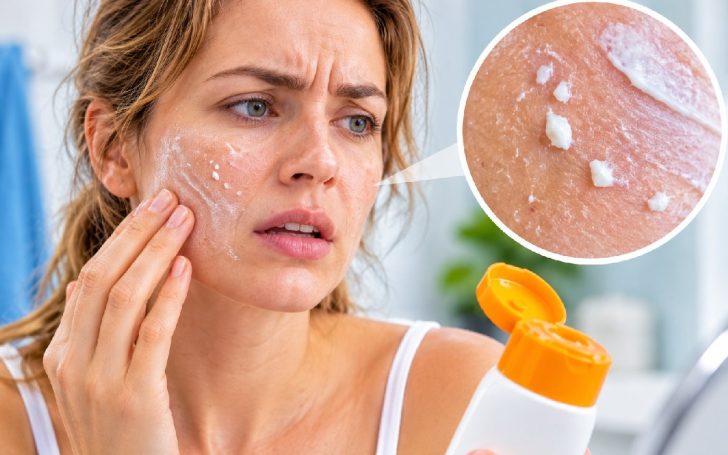
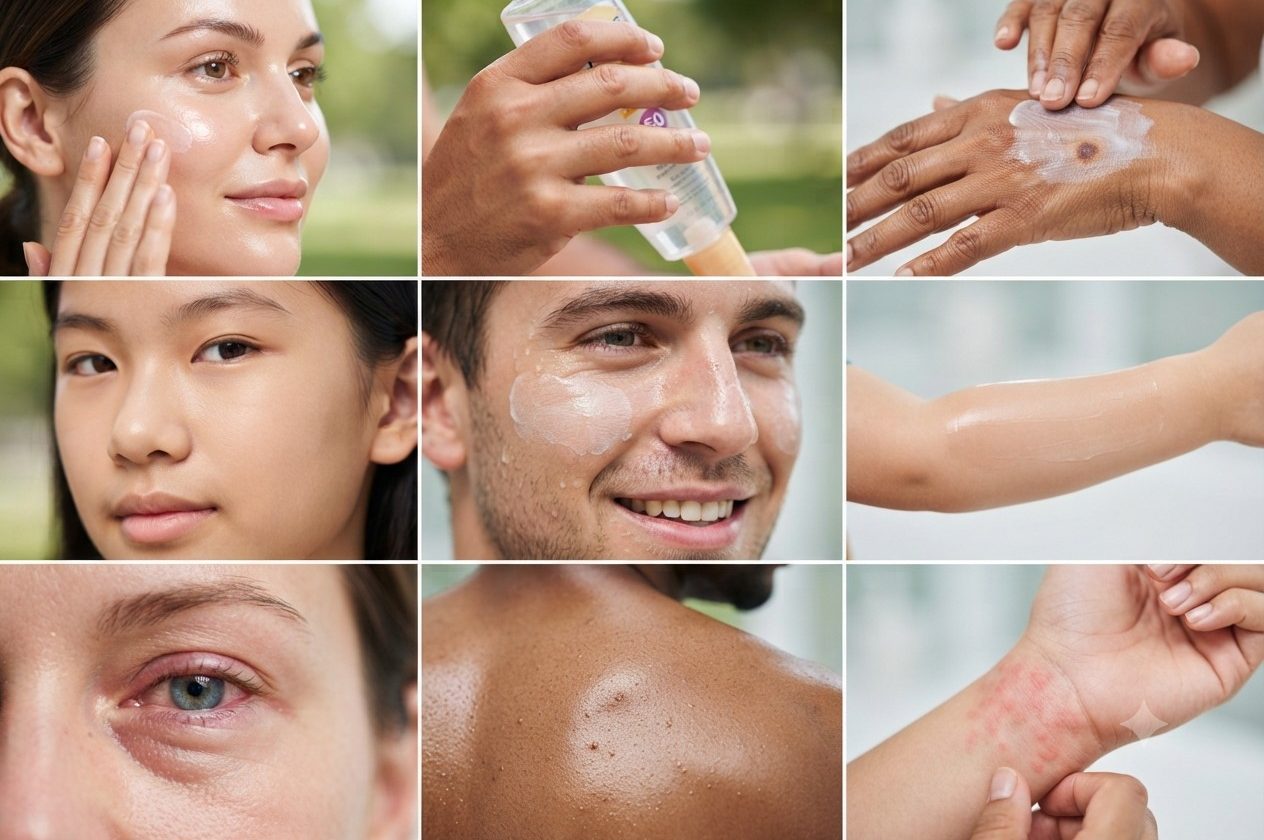
Allergic reactions
Some sunscreen ingredients can irritate skin, causing redness, swelling, dryness, flaking, or itching. Severe reactions may include a rash and intense itching. Fragrances and preservatives are common culprits. PABA (para-aminobenzoic acid) was once common in sunscreens but often caused allergies, and it’s no longer considered safe and effective by the FDA.
Breakouts
Some ingredients can worsen acne in breakout-prone skin. Choose oil-free sunscreens made for the face, or a daytime moisturizer with SPF instead of two separate products.
Eye irritation
Ingredients such as avobenzone, oxybenzone, and octinoxate can sting and cause temporary light sensitivity if they get into your eyes through sweat or rubbing. Avoid applying too close to your eyes, and rinse with cool water if sunscreen gets in.
Concerns about breast cancer
Some people worry that certain sunscreens affect estrogen levels. Benzophenone-3 (BP-3, also called oxybenzone), a common chemical filter, has been linked in some studies to tumor cell growth. In one mouse study, BP-3 increased tumors in mice fed a high-fat diet. These findings come from animal research and haven’t been confirmed in people.
Dryness and tightness
Some formulas can dry the skin. For example, zinc oxide in mineral sunscreens can be astringent. If your skin is dry, look for sunscreens with ceramides, glycerin, hyaluronic acid, niacinamide, or plant oils.
Frequently asked questions
How do I choose the right sunscreen for my skin?
Consider how sensitive, oily, or dry your skin is. Matte sunscreens suit oily skin; lightweight, hydrating formulas suit dry skin. Always choose broad-spectrum protection, read the label carefully, and ask a dermatologist if you’re being treated for a skin condition.
Is oxybenzone safe?
Oxybenzone (benzophenone-3) is controversial. It isn’t banned, but there are concerns about how much the skin absorbs. It can cause skin allergies, and some animal studies suggest it may disrupt hormones. Research in humans is limited. If you’re concerned, choose a mineral sunscreen with zinc oxide or titanium dioxide. Some people also prefer to avoid octinoxate and homosalate for similar reasons.
Can sunscreen replace moisturizer?
Not always. Some sunscreens moisturize, but many don’t — and sunscreen alone usually isn’t enough for dry skin. Apply moisturizer first, then sunscreen. If you have oily, acne-prone skin, a moisturizer with SPF may work well.
Is SPF 30 or SPF 50 better? What about darker skin?
Both protect against UVB rays. SPF 50 blocks about 98% of UVB rays, compared with roughly 96% to 97% for SPF 30. But a high SPF can give a false sense of security — you still need to reapply, especially when swimming or sweating.
Darker skin has more melanin, which offers some natural protection, but it still needs sunscreen. Choose and use sunscreen the same way as any other skin type. Lightweight or tinted formulas help avoid a white cast.
Does pool water or rain wash off sunscreen?
Yes. Regular sunscreen can wash off in pool water or rain, so reapply as you did at first. Water-resistant sunscreens only last for a limited time, depending on the product.
Sunscreen may have some side effects, but its protective benefits are clear. The key is to choose the right sunscreen, use it every day, and know which ingredients your skin may react to.
References
Medical disclaimer
FAQHealth content is for informational and educational purposes only. It is not a substitute for professional medical advice, diagnosis, or treatment. Always talk with your doctor or another qualified health professional about any questions you have about a medical condition.
Demo content adapted and translated from Hello Bacsi.