How to Moisturize Your Skin the Right Way, for Every Skin Type
Well-moisturized skin is smoother, calmer and better protected. Learn the signs your skin needs moisture and how to choose the right products for your skin type.
On this page
Keeping your skin moisturized does more than make it look fresh and smooth. It also strengthens your skin’s protective barrier, which helps prevent problems like breakouts, inflammation, and wrinkles. But not everyone knows how to moisturize effectively for their skin type. Here’s what to know.
Why does your skin need moisture?
When skin is well hydrated, it stays elastic and firm, and fine lines are less noticeable. A stable, natural moisture layer also helps your skin look smoother and more even in tone.
Moisturizing isn’t just about a plump, youthful look. It also helps regulate oil (sebum), which can help prevent acne and inflammation in both oily and dry skin. And well-hydrated skin absorbs serums, soothing ingredients, and treatment products more effectively.
Signs your skin needs moisture
It’s easy to forget to moisturize because you can’t see your skin losing water. Watch for these signs:
- Your skin feels rough or bumpy to the touch.
- You see small flakes of dead skin peeling — a sign of significant moisture loss.
- Your skin has lost its natural glow.
- Your skin looks oilier, because it’s producing extra oil to make up for dryness.
- Fine lines are more visible, especially when you squint or smile.
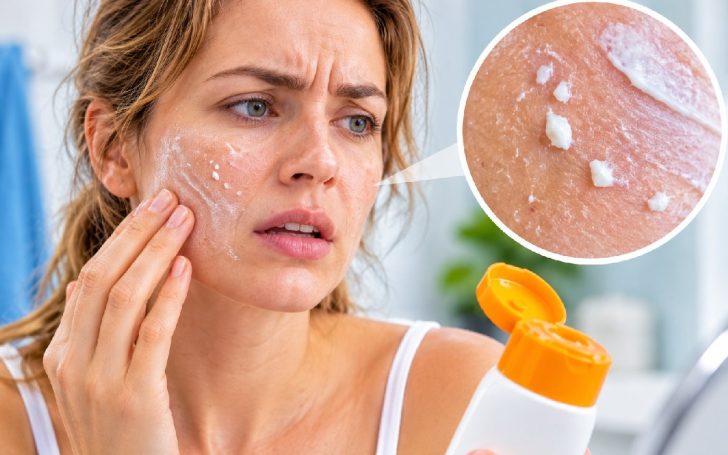
- Your skin gets irritated easily by the environment or by cosmetics.
Common types of moisturizing products
Moisturizing products come in several forms:
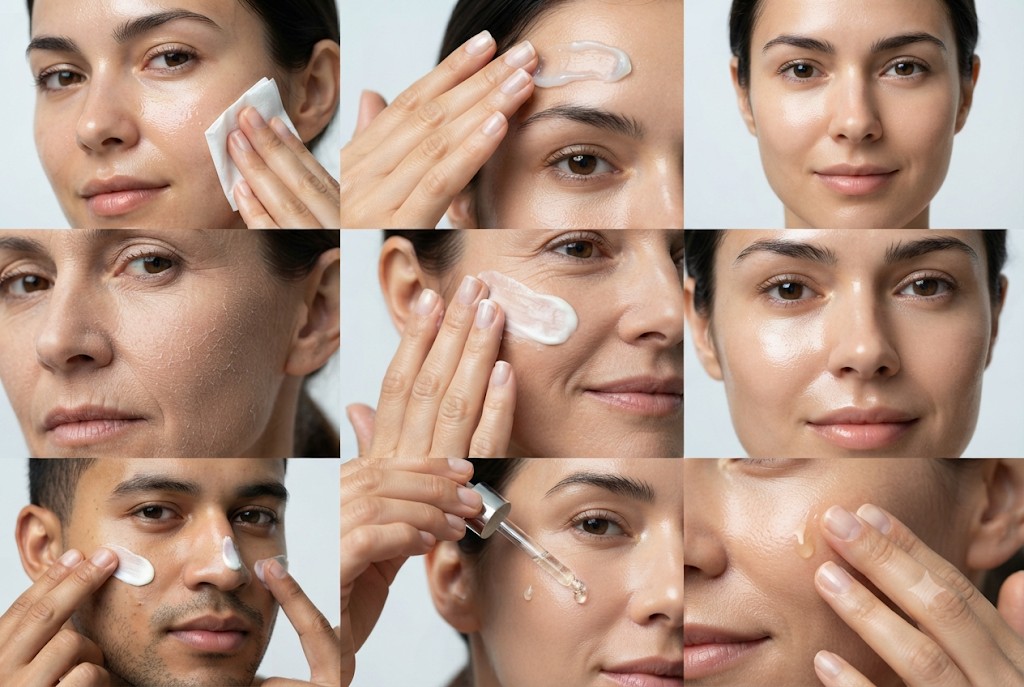
- Creams: Creams that contain waxes or oils lock in moisture well and keep skin hydrated for a long time. They’re a convenient choice for an everyday routine.
- Serums and essences: These absorb deeply and deliver ingredients that help repair the skin. Serums with hyaluronic acid (HA) attract and hold many times their weight in water.
- Toners: Toners remove leftover dirt after cleansing and help balance your skin’s pH, preparing it for the products that follow.
- Night creams: These often contain ingredients that support repair while you sleep.
How to moisturize for your skin type
Dry skin
Dry skin lacks both water and oil, so it’s prone to flaking and cracking. Choose rich moisturizers with ingredients like ceramides, shea butter, or natural oils. Products with glycerin and essential fatty acids also provide deep hydration.
Oily skin
Oily skin still needs moisture to keep oil production in balance. Choose lightweight gels, lotions, or serums with hyaluronic acid instead of thick creams that can clog pores. Ingredients like niacinamide can hydrate while helping control oil and minimize the look of pores.
Sensitive skin
Sensitive skin reacts easily to fragrance and preservatives. Look for soothing ingredients such as aloe vera or chamomile, and choose moisturizers that are free of fragrance, alcohol, and parabens. Always test a new product on a small patch of skin before using it on your whole face.
Acne-prone skin
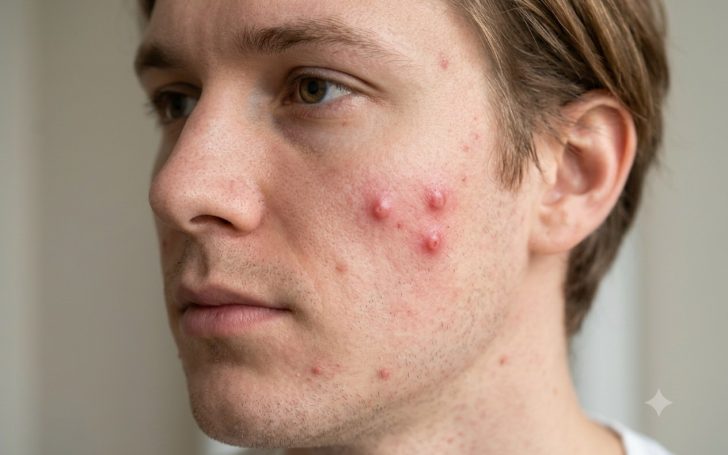
Acne treatments can be harsh and leave skin unbalanced and weakened. Choose fast-absorbing, non-comedogenic moisturizers that won’t clog pores. Ingredients such as tea tree oil, BHA (salicylic acid), or licorice extract can help calm breakouts while keeping skin hydrated.
Combination skin
Combination skin is usually oily in the T-zone (forehead, nose, and chin) and dry on the cheeks. Consider using two moisturizers: a gel for oily areas and a slightly richer cream for dry areas.
Mature skin
Skin tends to become thinner, drier, less elastic, and less able to protect itself with age. To keep it soft and hydrated and minimize wrinkles, consider oil-based moisturizers.
Natural ingredients that can moisturize
Alongside store-bought products, some familiar natural ingredients can help hydrate your skin:
- Plant oils: Argan, jojoba, coconut, almond, and olive oil can soften skin and lock in moisture. Argan oil is especially soothing for dry, irritated skin.
- Honey: Like glycerin, honey helps skin hold on to moisture, and it has anti-inflammatory properties.
- Avocado and plain yogurt: A mashed avocado-and-yogurt mask can help cleanse and soften skin. Leave it on for about 15 minutes, then rinse.
- Aloe vera: Aloe gel can soothe skin and ease inflammation and irritation.
- Cucumber: A cucumber mask (for example, with rose water and rolled oats) can help refresh dull, dehydrated-looking skin.
- Oatmeal: Oats hydrate, gently exfoliate, and help brighten skin. Mix softened oats with a little honey and milk, apply for 15 to 20 minutes, then rinse.
- Shea, mango, and cocoa butter: These rich butters are excellent at moisturizing and nourishing skin. Cocoa butter is high in vitamin E and is often used for stretch marks.
Tip: Natural doesn’t always mean gentle. Patch-test any homemade mixture first, use essential oils only in very small, diluted amounts, and stop if you notice redness or stinging.
General rules for effective moisturizing
- Use a gentle cleanser that suits your skin so you don’t strip away its natural oils.
- Use a toner to balance pH and remove leftover residue after cleansing.
- Apply moisturizer while your skin is still slightly damp to lock in water more effectively.
- Wear sunscreen with your moisturizer during the day to protect against UV rays.
Moisturizing is a key step in any skin care routine. The most important thing is to understand your skin type so you can choose the approach that works best for you.
References
Medical disclaimer
FAQHealth content is for informational and educational purposes only. It is not a substitute for professional medical advice, diagnosis, or treatment. Always talk with your doctor or another qualified health professional about any questions you have about a medical condition.
Demo content adapted and translated from Hello Bacsi.