Does Staying Up Late Cause Stomach Pain? Effects on Digestion
Staying up late can upset digestion, stomach acid, and gut health. Learn how late nights are linked to stomach pain, acid reflux, and ulcers.
On this page
Balancing work, personal life, and social plans sometimes means staying up late, and a full night of sleep can start to feel like a luxury. Staying up late and not getting enough sleep can harm your health in both the short and the long term. So does staying up late cause stomach pain, and how does lack of sleep affect digestion?
This guide explains how late nights can disrupt your digestive system, from stomach acid and gut bacteria to hormones and night eating.
How does staying up late affect your health?
Researchers use the idea of a chronotype to explain why people are alert at different times of the day. Some people are “night owls” (late chronotype), while others are “early birds” (early chronotype). Your chronotype is shaped by genetics, age, and other factors.
Staying up late is linked to a higher risk of several health problems. Adults need at least 7 hours of sleep each night. During sleep, the body rests, produces energy, and repairs damaged tissue.
Staying up late and not sleeping enough can cause effects you may notice the very next day:
- Tiredness
- Mood changes
- Reduced thinking ability (cognitive decline)
- Lower performance at work
Over time, lack of sleep raises the risk of:
- Diabetes
- Obesity
- Heart disease
- Depression
Some experts argue that staying up late is not necessarily bad if you still get the recommended amount of sleep each night. The main reason late nights do harm is that most people who go to bed late don’t get enough sleep. They stay up at night but still have to go to school or work the next day, so they don’t have enough time to rest and recover their energy.
Does staying up late cause stomach pain?
The answer is “it can.” Your circadian rhythm (body clock), which is regulated by the sleep-wake cycle, has a big influence on how your digestive system works.
When you are awake, the digestive system works continuously to supply the glucose the body needs for energy. During sleep, the need for glucose drops sharply, so metabolism and digestion gradually slow down. Disrupting or interrupting your body clock can change normal digestive function and may cause harm.
How does staying up late affect digestive function?
The movement of the whole digestive tract (the mouth, esophagus, stomach, small intestine, colon, and rectum) changes in a regular rhythm throughout the day. A disrupted body clock has been linked to abnormal movement (motility) of the stomach and intestines. So staying up late may contribute to digestive disorders such as:
- Irritable bowel syndrome (IBS)
- Functional dyspepsia (indigestion with no clear cause)
- Gastroparesis (slow emptying of the stomach)
Sleep problems also affect immunity and raise levels of inflammatory cytokines (proteins that drive inflammation) in the body, including in the muscles, joints, and digestive tract. This may lead to chronic inflammatory bowel disease, which includes Crohn’s disease and ulcerative colitis.
A disrupted body clock may also raise cancer risk, because it can cause cells to multiply abnormally and the immune system to work poorly. Research has found a close link between an abnormal body clock and colorectal cancer.
Can staying up late change stomach acid and raise the risk of ulcers and reflux?
In healthy people, stomach acid is released in a cycle, and the peak is usually between 10 p.m. and 2 a.m. However, this peak in acid may not match the stomach’s pH (a measure of acidity) during sleep. One study found that stomach pH in patients who were awake was significantly lower than in patients who were asleep.
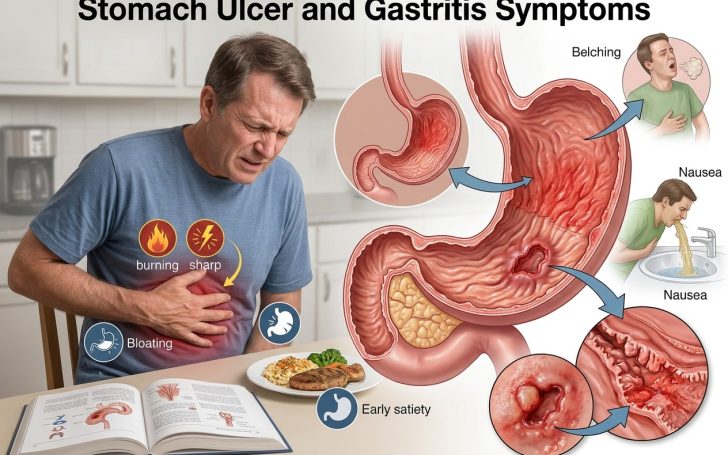
Other studies show that the rate of stomach and duodenal ulcers (peptic ulcers) is significantly higher in people who work night shifts than in people who work only during the day. Staying up late changes the rhythm of stomach acid release and creates an imbalance between harmful and protective factors in the stomach, which raises the risk of ulcers in the stomach and duodenum (the first part of the small intestine).
Studies also show that night shift work raises the risk of gastroesophageal reflux disease (GERD, or acid reflux) and/or erosive esophagitis (damage to the lining of the esophagus) compared with day shift work. People with a disrupted body clock make less melatonin, the sleep hormone. This may contribute to poor function of the muscle valve at the bottom of the esophagus and to more stomach acid, which may make stomach problems worse over time.
Why do late nights lead to night eating and sugar cravings?
Stomach acid is normally released at night, so people who stay up late may feel very hungry and want to eat. After eating at this time, even more stomach acid is released to digest the food. At the same time, the extra acid can attack the stomach lining and damage it further.
Sleep also lets the body rest and keep its energy at a healthy level. If you stay up late, your body doesn’t get that rest and may need more food for energy. In addition, levels of ghrelin, the hormone that makes you hungry, rise after a night of poor sleep, while levels of leptin, which suppresses appetite, fall. This leads to eating more sweets, refined carbohydrates, and unhealthy foods, which puts extra strain on the digestive system.
How does staying up late affect gut bacteria and the gut barrier?
The digestive tract is constantly exposed to foreign substances from food. The gut microbiome (the community of bacteria living in your gut) and the gut barrier play an important role in keeping these substances from seeping into the lining of the intestine and causing inflammation. However, the microbiome and the integrity of the gut barrier change from day to day instead of staying fixed.
A disrupted body clock has been linked to a weaker gut barrier and to abnormal gut bacteria. This can leave the body more open to attack by H. pylori (Helicobacter pylori), the bacteria that cause more than 80% of stomach and duodenal ulcers. These changes can also contribute to chronic inflammatory bowel disease.
How does staying up late throw off your hormones?
The sleep-wake cycle is supported by a balance between cortisol, a stress hormone, and melatonin, the sleep hormone. Ideally, melatonin rises in the evening, while cortisol peaks in the morning to help you focus on your day.
Staying up late raises cortisol levels at night. Cortisol is responsible for the “fight or flight” response, which sends energy to the heart, brain, and other organs instead of to digesting food as usual. This makes digestion less efficient.
Lack of sleep also increases stress, depression, and anxiety. These can make stomach pain worse and raise the risk of stomach ulcers.
The bottom line
Staying up late raises the risk of conditions such as depression, diabetes, and heart disease. It may also trigger or worsen digestive problems, including ulcers in the stomach and duodenum, irritable bowel syndrome, acid reflux, inflammatory bowel disease, and colorectal cancer. Try to get enough sleep on a regular schedule to protect your stomach and your overall health.
References
- Chronotypes: Definition, Types, & Effect on Sleep — Sleep Foundation
- Circadian rhythms: a regulator of gastrointestinal health and dysfunction — PubMed Central
- Sleep Dysfunction and Gastrointestinal Diseases — PubMed Central
- Can sleep deprivation affect your digestion — A.Vogel
- Sleep Deprivation: Symptoms, Treatment, & Effects — Sleep Foundation
Medical disclaimer
FAQHealth content is for informational and educational purposes only. It is not a substitute for professional medical advice, diagnosis, or treatment. Always talk with your doctor or another qualified health professional about any questions you have about a medical condition.