Is a Slow Heart Rate Dangerous? What Bradycardia Means for You
A resting heart rate under 60 isn't always a problem. Learn when a slow heart rate is normal, when it's a warning sign, and how to protect your heart.

On this page
You may know that a normal resting heart rate is 60 to 100 beats per minute. So what if yours is only 45 to 48? Should you be worried? Here’s how to tell whether a slow heart rate is a sign of fitness — or a sign of trouble.
What is a slow heart rate (bradycardia)?
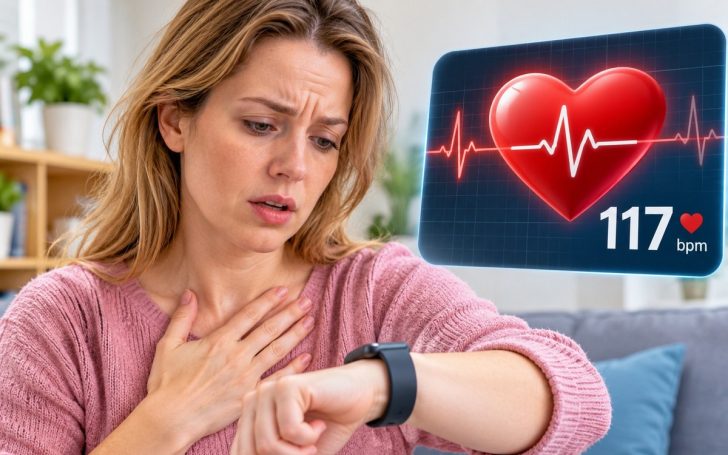
When a healthy adult is at rest, the heart usually beats 60 to 100 times per minute. If your heart beats fewer than 60 times per minute, doctors call it bradycardia.
Common causes of a slow heart rate include:
- Problems with the sinoatrial (SA) node, the heart’s natural pacemaker
- An underactive thyroid (hypothyroidism)
- Heart tissue damage from aging, heart disease, or a heart attack
- Inflammation of the heart’s inner lining (endocarditis), the heart muscle (myocarditis), or the sac around the heart (pericarditis)
- Certain medicines, such as drugs for high blood pressure, sedatives, opioids, heart rhythm medications, and some psychiatric medications
- Congenital heart defects (heart problems present at birth)
- Complications from heart surgery
- Electrolyte imbalances in the blood, such as potassium or calcium
- Obstructive sleep apnea
- Inflammatory diseases such as rheumatic fever or lupus
Is a slow heart rate dangerous?
It depends on your symptoms
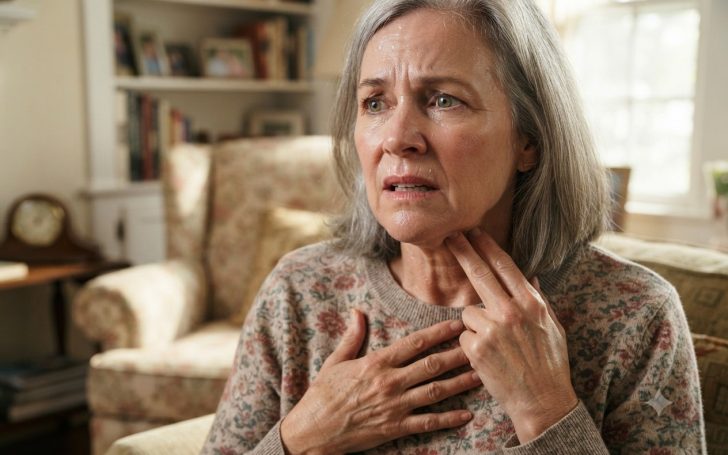
Yes, it can be. Bradycardia is dangerous when your heart can’t pump enough oxygen-rich blood to meet your body’s needs. If your heart and other organs don’t get enough blood flow, you may notice:
- Chest pain
- Shortness of breath
- Dizziness or lightheadedness
- Fainting
- Fatigue or weakness
- Getting tired easily during exercise
- Confusion, trouble concentrating, or memory problems
Many different conditions can cause these symptoms, so it’s important to get a prompt diagnosis and the right treatment. See a doctor if a slow heart rate is causing symptoms. If you faint, have trouble breathing, or have chest pain that lasts more than a few minutes, call 911 (or your local emergency number).
That said, a slow heart rate doesn’t always cause symptoms or complications. For many people — especially those who are very fit — it isn’t a problem at all.
It also depends on your age and fitness
No, it’s often not dangerous in the following situations.
A slow heart rate can happen without any symptoms, especially in young, physically active people who are in excellent shape. In these cases, the heart is simply working more efficiently.
Athletes and people who exercise regularly often have a lower-than-average heart rate — sometimes even under 40 beats per minute during sleep. Exercise strengthens the heart muscle, so it pumps more blood with every beat. Because more oxygen reaches the muscles, the heart doesn’t need to beat as often. That’s why fit people tend to have slower heart rates than less-fit people.
A resting heart rate between 40 and 60 beats per minute is also fairly common. Older adults also tend to have slower heart rates than younger people.
In general, a slower resting heart rate is better than a fast one. A high resting heart rate has been linked to atherosclerosis (hardening of the arteries), sudden death, and a higher risk of dying from heart disease.
However, if you’re not especially fit or physically active, a slow heart rate may be a warning sign of a heart problem. In that case, see your doctor for an evaluation.
Possible complications
When the heart can’t keep up its pace and pump enough oxygen-rich blood through the body, bradycardia can become life-threatening. Possible complications include:
- Low blood pressure
- Frequent fainting
- Chest pain (angina)
- Heart failure — when the heart can’t pump enough blood
- Sudden cardiac arrest or sudden death (in severe cases)
How to keep your heart rhythm steady and your heart healthy
Whether or not your heart rate is slow, protecting your heart is something you can work on every day:
- Exercise regularly to keep your heart strong.
- Eat a healthy diet that’s low in fat, salt, and sugar, with plenty of fruits, vegetables, and whole grains.
- Maintain a healthy weight to lower your risk of heart disease.
- Manage high blood pressure, diabetes, and high cholesterol with lifestyle changes and any medicines your doctor prescribes.
- Quit smoking.
- Limit alcohol.
- Manage stress with relaxation techniques such as meditation or yoga.
- Get regular checkups.
- Take all medications exactly as prescribed.
References
Medical disclaimer
FAQHealth content is for informational and educational purposes only. It is not a substitute for professional medical advice, diagnosis, or treatment. Always talk with your doctor or another qualified health professional about any questions you have about a medical condition.
Demo content adapted and translated from Hello Bacsi.